
Roboticspost
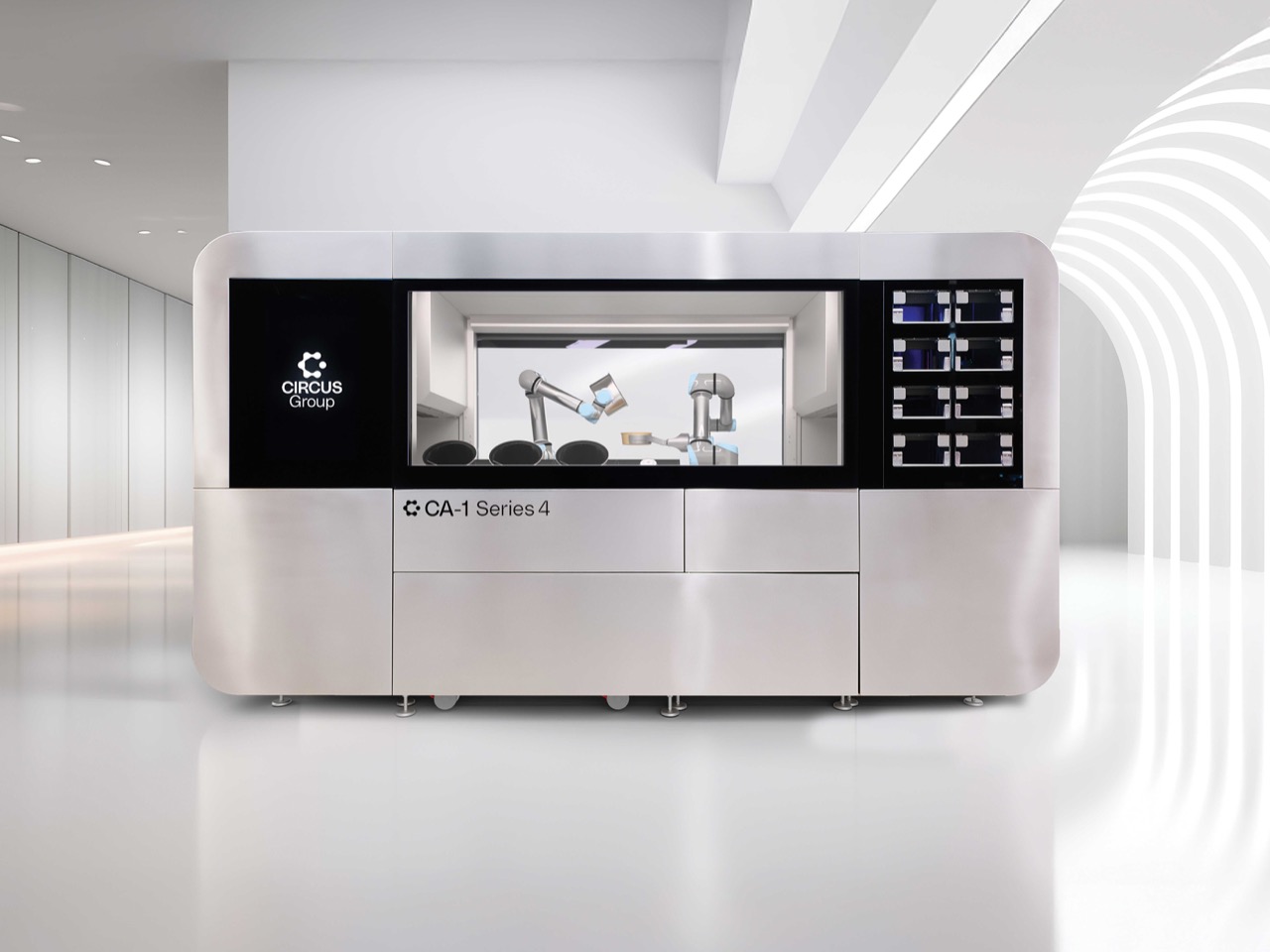
Circus CA-1 Is Bringing Autonomous Kitchens Into the Real World
An autonomous food production system that stores ingredients, prepares and cooks meals, and serves customers from one compact robotic kitchen.
91
Miso Robotics is bringing automation into one of the busiest areas of the commercial kitchen with Flippy, a robotic fry station designed to prepare fried foods consistently while working alongside existing restaurant operations.
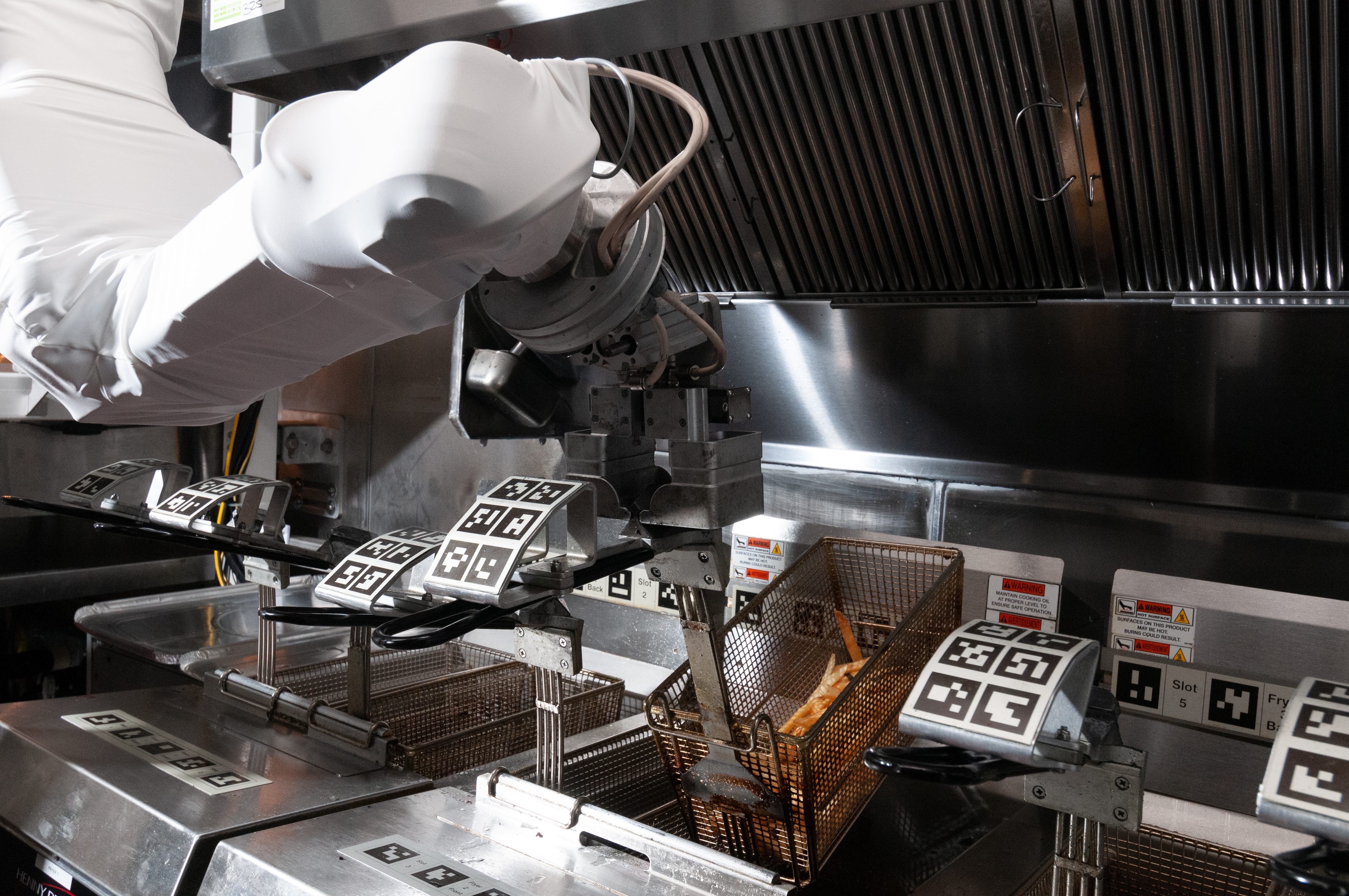
Flippy is a robotic kitchen system developed by Miso Robotics to automate repetitive fry-station work. The system combines robotics, computer vision, and kitchen automation to handle tasks such as cooking french fries, chicken, onion rings, and other fried foods while monitoring the cooking process.
Rather than attempting to automate an entire restaurant with a single robot, Flippy focuses on a specific part of the kitchen where repetitive movements and standardized cooking processes make automation particularly practical. This specialized approach allows restaurants to introduce robotics into existing operations while continuing to use conventional kitchen equipment and workflows.
Miso Robotics has spent years developing and testing Flippy in real restaurant environments, including deployments with major restaurant brands. The technology demonstrates how restaurant automation can move beyond prototypes and into everyday commercial operations where speed, reliability, food quality, and safety all matter.
Flippy also provides an example of how the automated restaurant of the future may be built. Instead of relying on one general-purpose robot to perform every task, restaurants could combine specialized systems like Flippy with automated food equipment, fixed robotic arms, mobile robots, and increasingly capable general-purpose robots. Each system can focus on the tasks it performs best while working together as part of a larger automated kitchen.
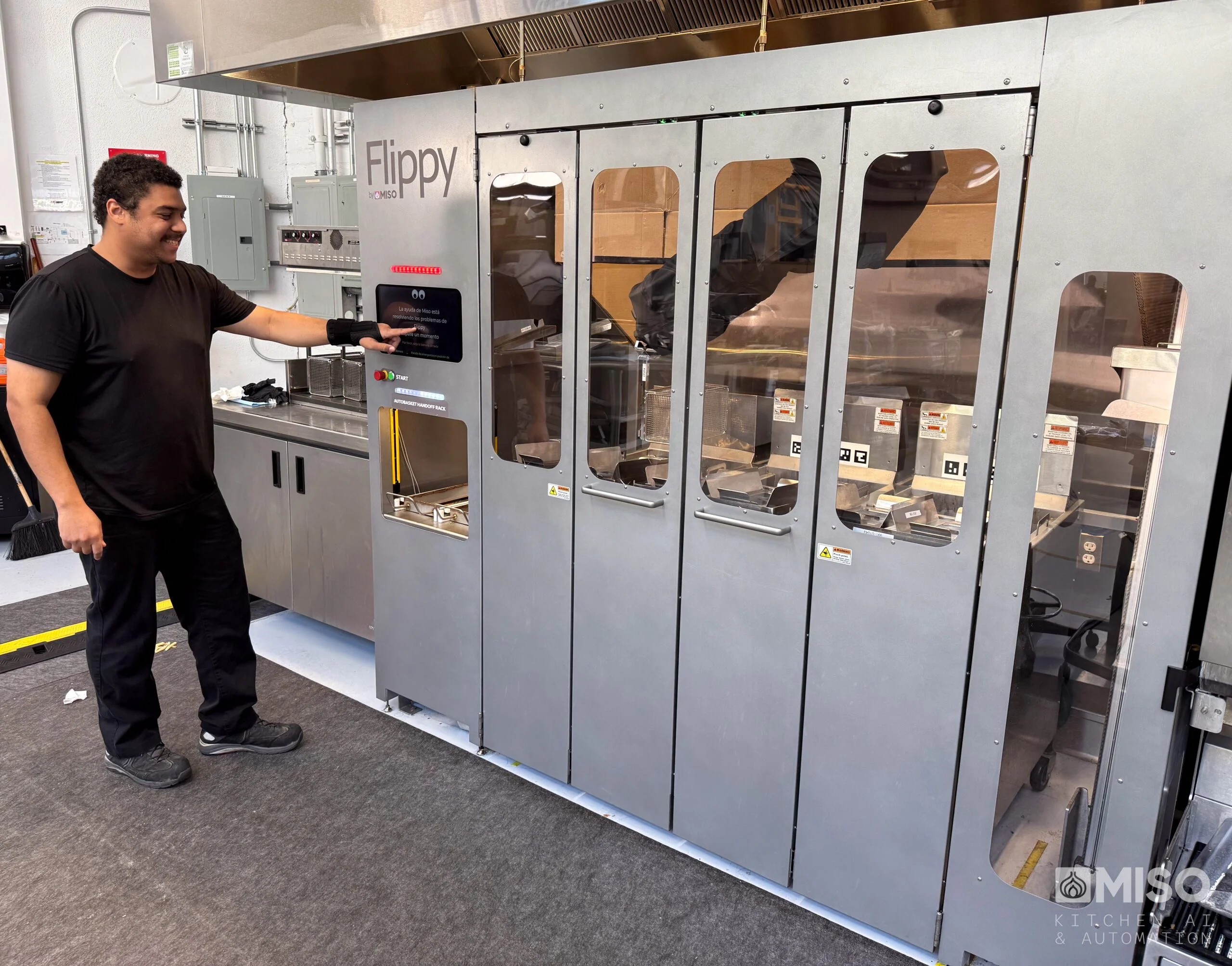
Flippy automates the repetitive process of managing a commercial fry station. The system can handle multiple fried foods and cooking cycles, helping restaurants maintain consistent preparation while reducing the amount of hands-on labor required around hot oil and fryers.
Computer vision allows Flippy to monitor food and activity around the fry station rather than relying entirely on fixed mechanical sequences. This combination of robotics and AI makes the system more adaptable to the changing conditions of a working commercial kitchen.
Flippy is designed to become part of an existing restaurant operation rather than requiring the entire kitchen to be rebuilt around the robot. This makes specialized robotics easier to introduce alongside existing equipment, restaurant staff, and other automation technologies.
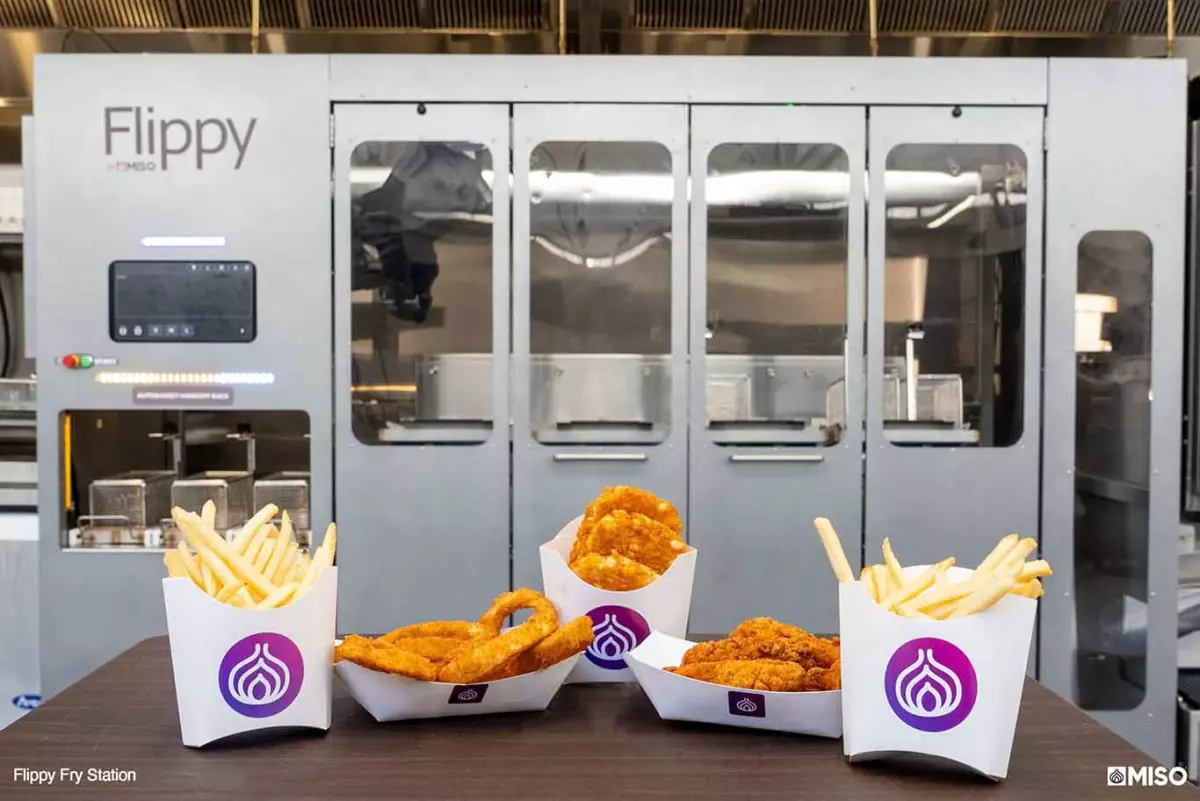
Flippy shows how specialized robots can take over specific restaurant tasks without requiring a single system to automate the entire kitchen. Fry cooking can become one part of a larger automated workflow that also includes food storage, preparation, assembly, transportation, cleaning, and customer pickup.
As restaurant robotics develops, systems like Flippy could work alongside robotic arms, mobile robots, automated food equipment, and general-purpose humanoids. Connecting these technologies could make increasingly autonomous restaurant operations possible while allowing each robot to focus on the tasks it performs best.
Dream Cloud explores how emerging robotics and automation technologies can be integrated into real-world hospitality environments. Technologies such as Flippy provide an opportunity to combine proven specialized automation with new robotic systems and develop more complete approaches to restaurant operations.
Restaurants, robotics companies, and hospitality organizations interested in exploring automated food service, robotic kitchens, or real-world technology pilots can connect with Dream Cloud to explore opportunities for collaboration.
An autonomous food production system that stores ingredients, prepares and cooks meals, and serves customers from one compact robotic kitchen.
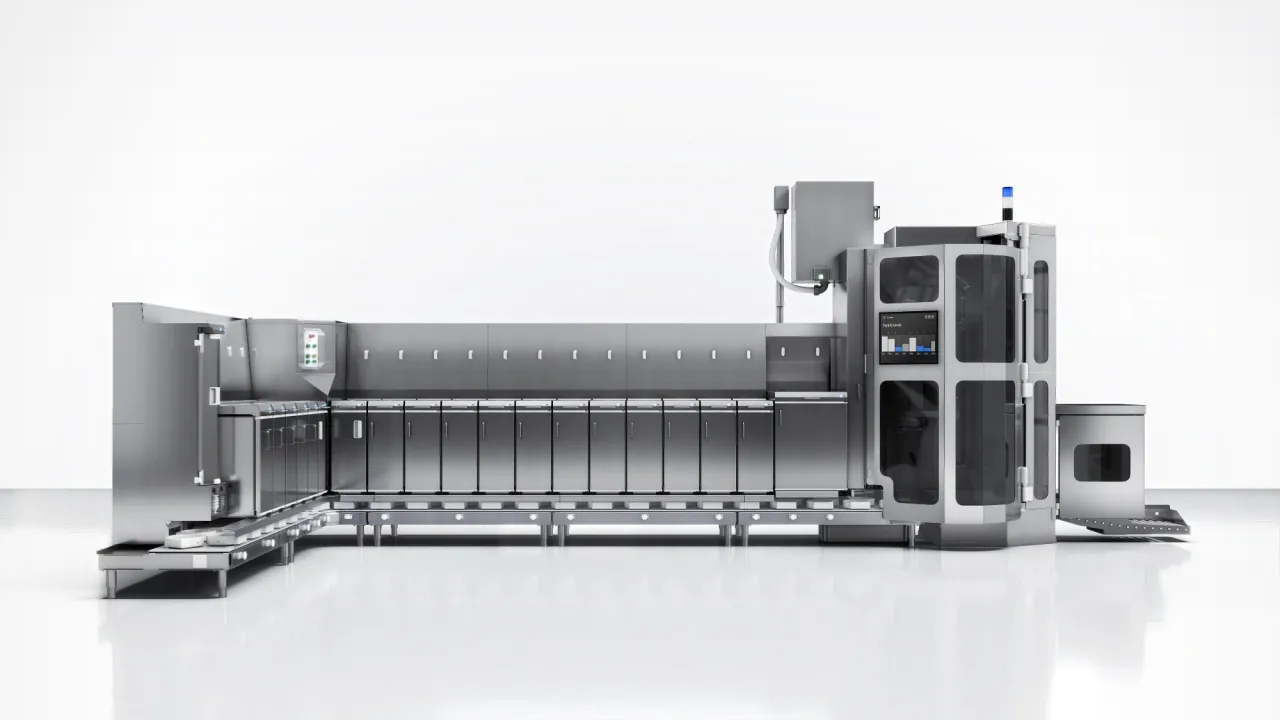
Lab37, part of Atoms, is developing specialized robotic systems designed to automate high-volume food production. Its approach shows how purpose-built machines could become the foundation of increasingly autonomous restaurant operations.
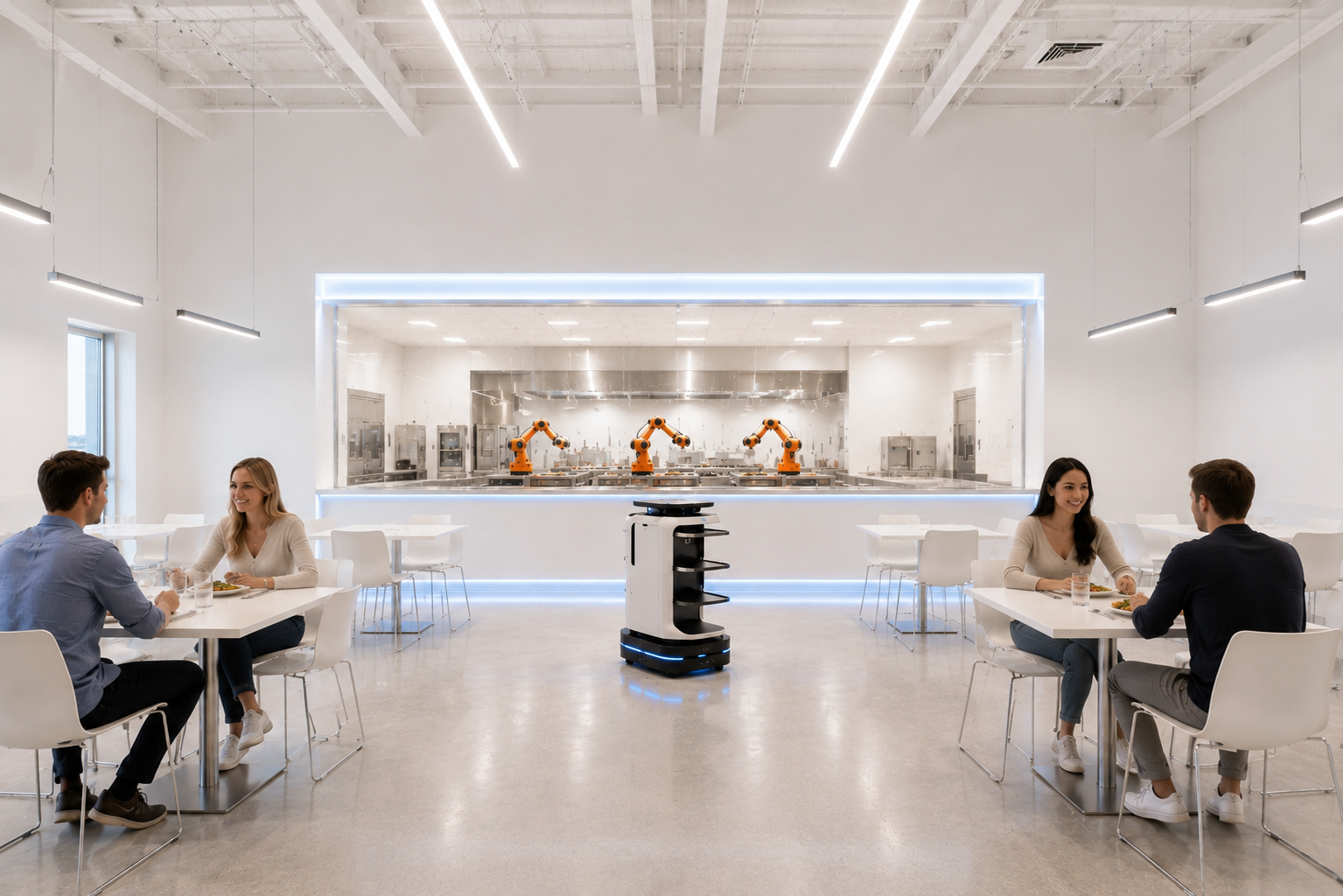
A real-world restaurant and social space bringing food automation, specialized robotics, and general-purpose robots together to develop, test, and improve the systems required for increasingly autonomous restaurant operations.
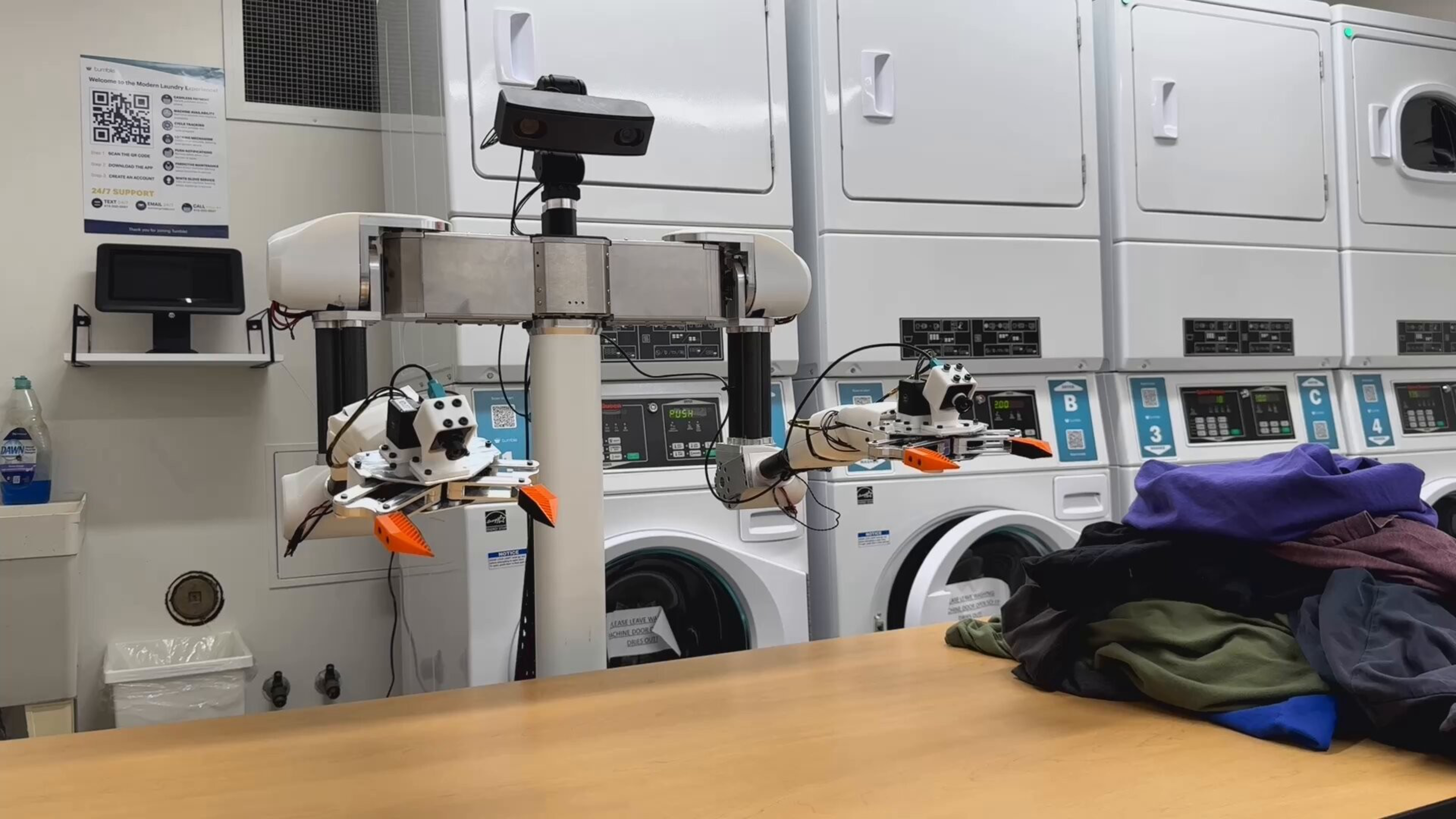
Creating real-world deployment opportunities where robots can perform practical tasks and generate valuable training data for physical AI.