Circus CA-1 Is Bringing Autonomous Kitchens Into the Real World
An autonomous food production system that stores ingredients, prepares and cooks meals, and serves customers from one compact robotic kitchen.
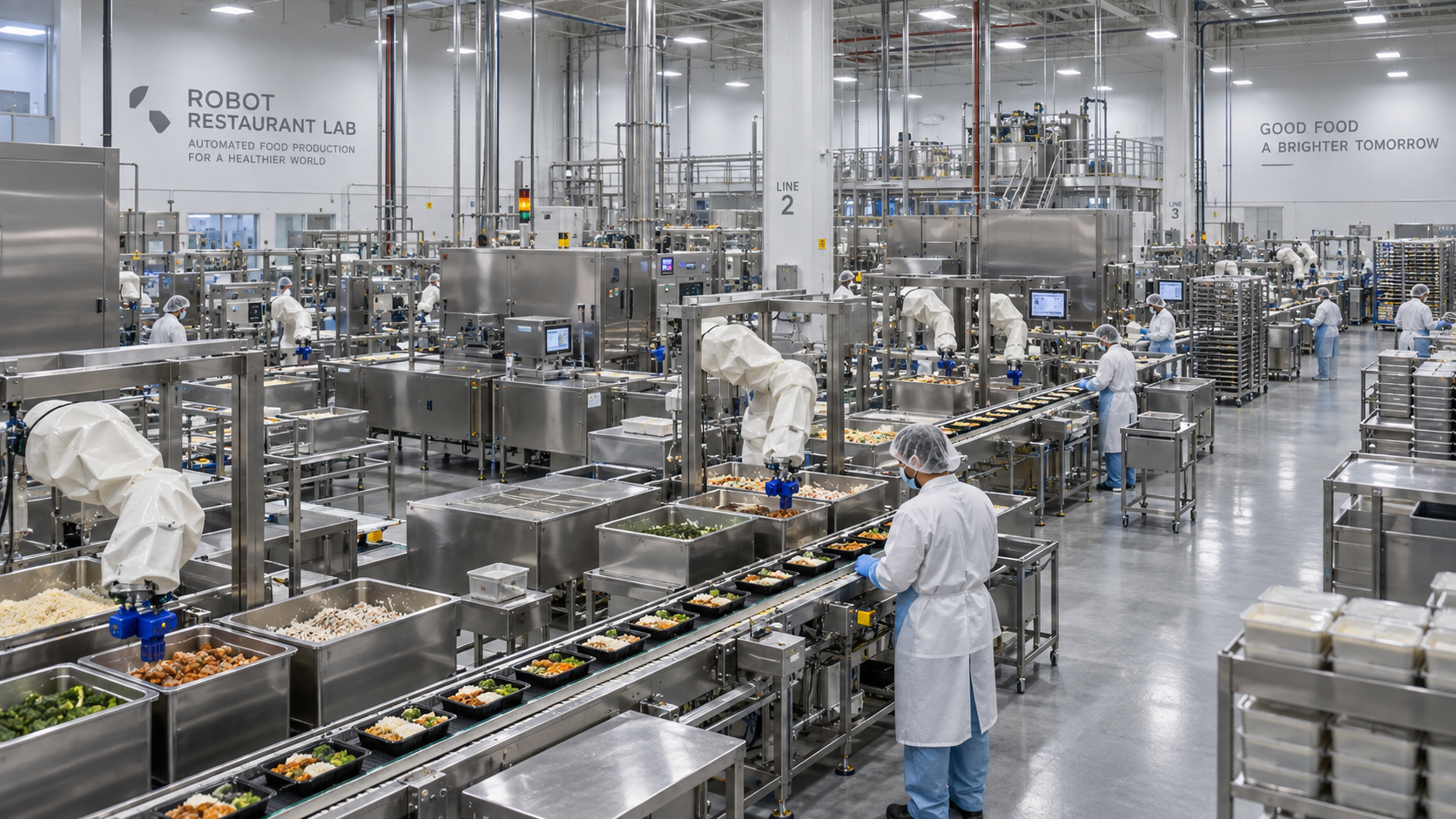
Lab37, part of Atoms, is developing specialized robotic systems designed to automate high-volume food production. Its approach shows how purpose-built machines could become the foundation of increasingly autonomous restaurant operations.

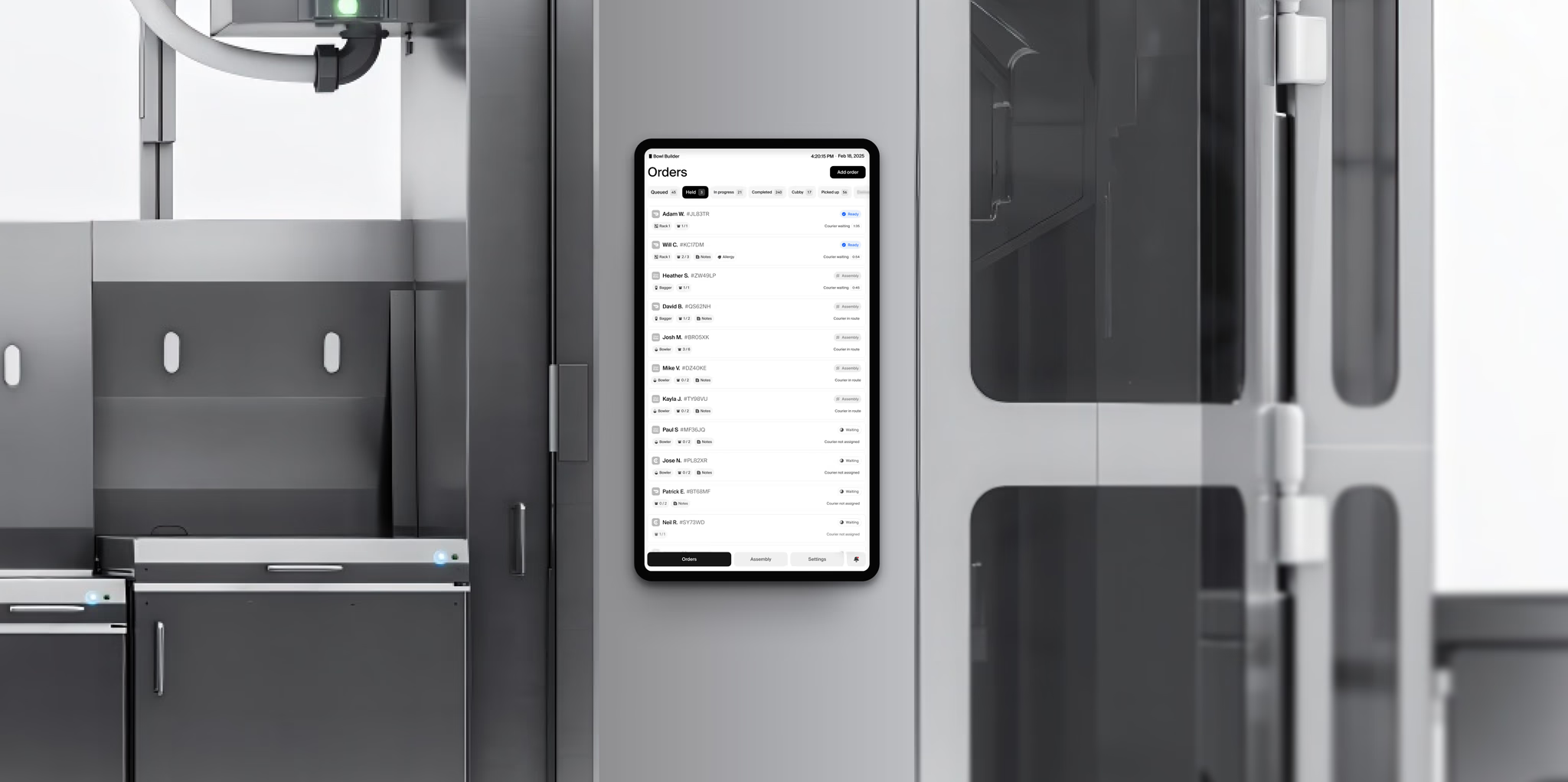
The Bowl Builder and kitchen ecosystem are designed to automate the makeline.
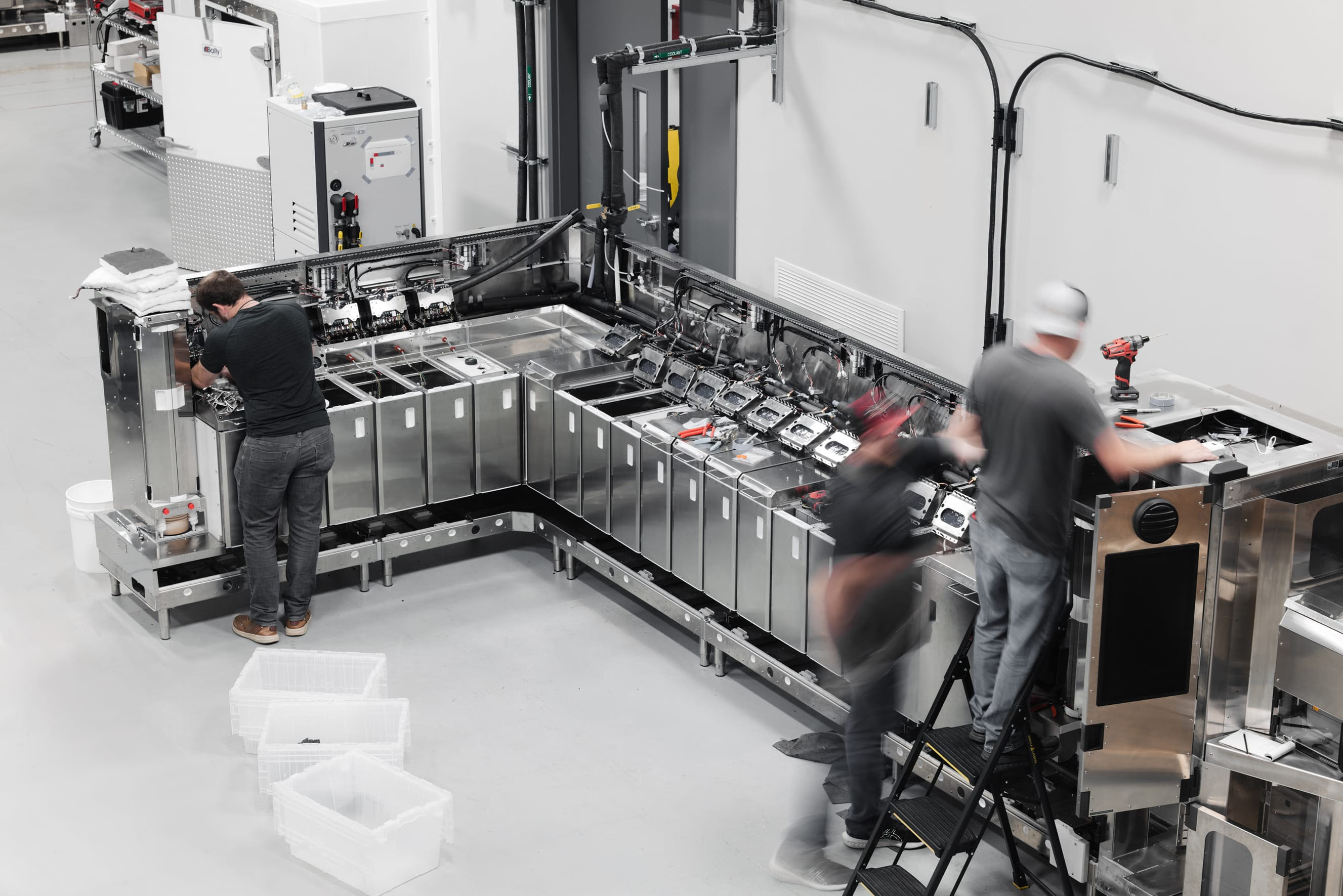
Lab37 is developing robotics specifically around the repetitive processes involved in commercial food production. Rather than trying to replicate every movement of a restaurant worker with a general-purpose robot, its systems are designed around individual workflows where specialized automation can deliver speed, consistency, and reliability.
This approach could provide an important foundation for the automated restaurant. High-volume and predictable processes can be handled by specialized equipment, while mobile robots, robotic arms, and emerging general-purpose robots take on the more variable work required to move ingredients, replenish stations, clean spaces, and connect different parts of the operation.
One of Lab37's most significant systems is the Bowl Builder, a large automated production line designed to assemble customized bowls. Ingredients are loaded into the system and individual orders move through a sequence of automated dispensing and assembly operations.
The Bowl Builder demonstrates how an entire food-production workflow can be designed around automation rather than simply adding a robot to a conventional kitchen. Combined with robotics capable of handling the work before and after the production line, systems like this could become one component of a much more complete autonomous restaurant.

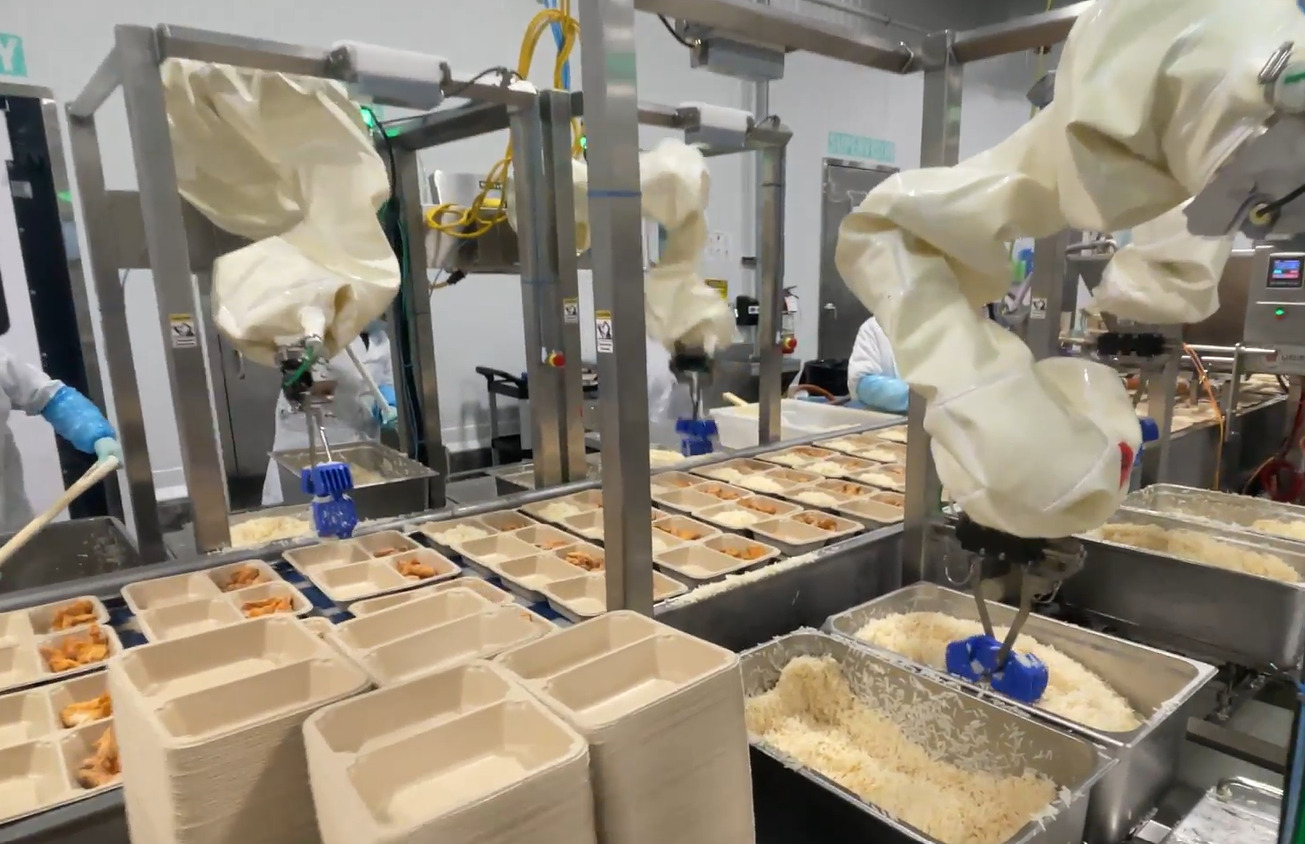
The Bowl Builder automates the process of assembling customized meals by moving individual orders through a series of ingredient dispensing stations. This allows a large portion of the food assembly process to operate as a coordinated automated production line.
Lab37's systems are designed around the demands of commercial food production, where speed, consistency, and throughput are critical. Purpose-built automation allows repetitive food preparation tasks to be optimized for continuous restaurant operations rather than relying on robots designed to perform many unrelated tasks.
Specialized food automation becomes even more powerful when connected with the systems around it. Lab37's approach creates opportunities to integrate automated production with ordering software, inventory systems, mobile robots, robotic manipulation, and other technologies that can handle transportation, replenishment, cleaning, and fulfillment.

Lab37 demonstrates how specialized robotics can automate the core production workflows inside a restaurant. Systems like the Bowl Builder could form part of a larger automated environment where different technologies work together across storage, preparation, cooking, assembly, transportation, cleaning, and fulfillment.
The next opportunity is connecting these specialized systems with mobile robots, robotic arms, and general-purpose robots capable of handling the less structured tasks between automated workstations. Together, these technologies could create a modular approach to restaurant automation that can be adapted to different menus, formats, and operating environments.
Dream Cloud is exploring how specialized food automation can be integrated with emerging robotics technologies in real-world hospitality environments. By bringing different systems together, these technologies can be tested as part of complete operating workflows rather than as individual pieces of automation.
Restaurant operators, food technology companies, and robotics developers interested in exploring integrated automation, real-world testing, and new approaches to autonomous hospitality can connect with Dream Cloud to explore opportunities for collaboration.

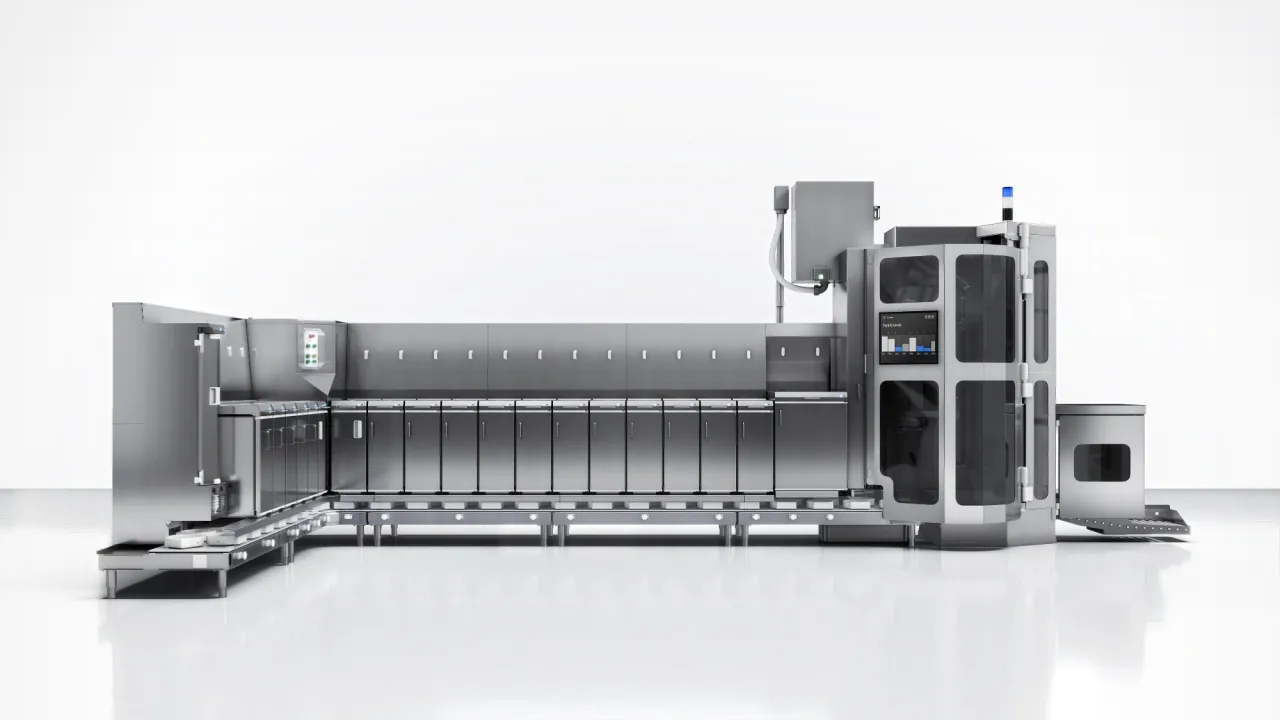
An autonomous food production system that stores ingredients, prepares and cooks meals, and serves customers from one compact robotic kitchen.

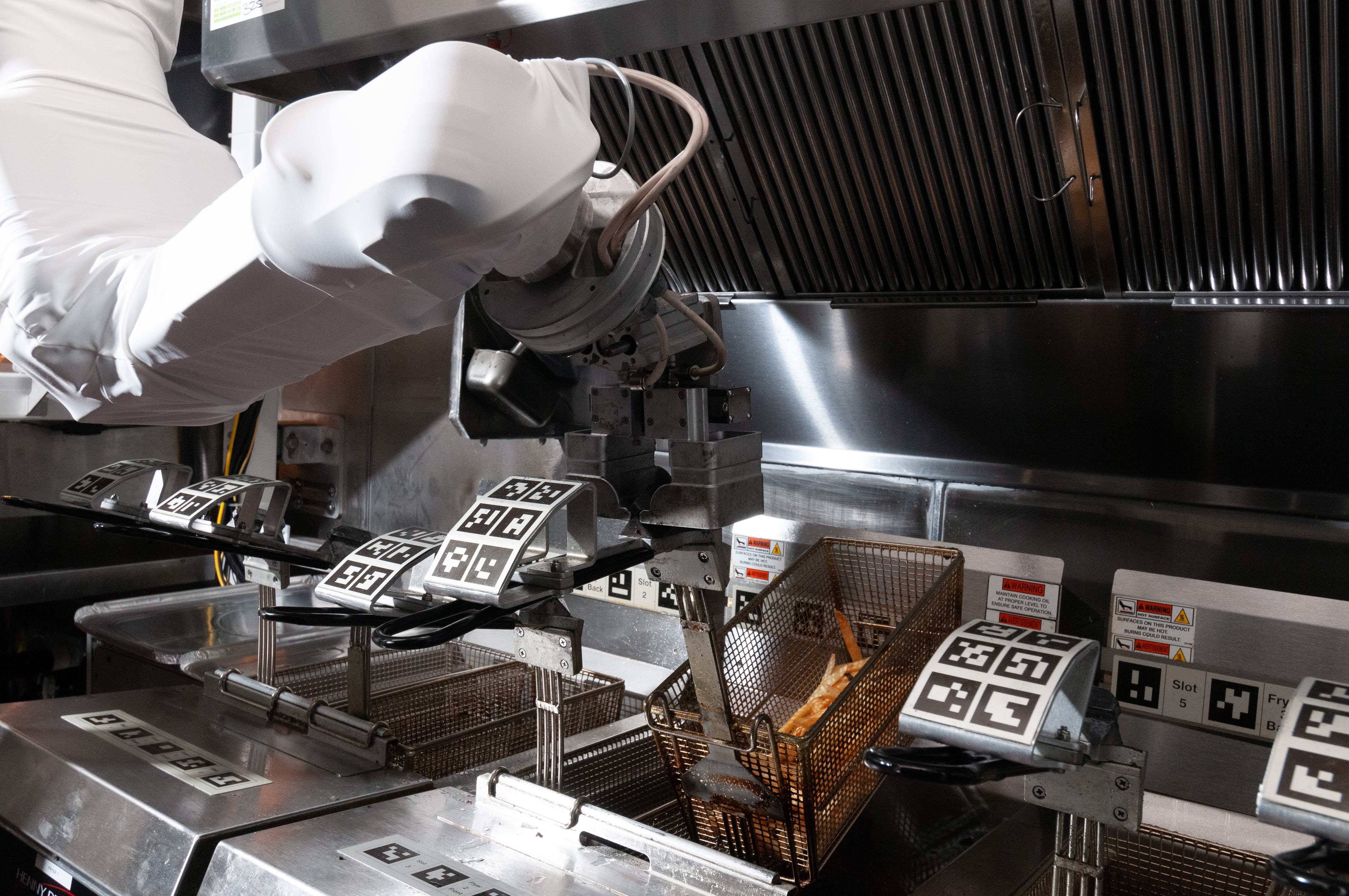
Miso Robotics is bringing automation into one of the busiest areas of the commercial kitchen with Flippy, a robotic fry station designed to prepare fried foods consistently while working alongside existing restaurant operations.

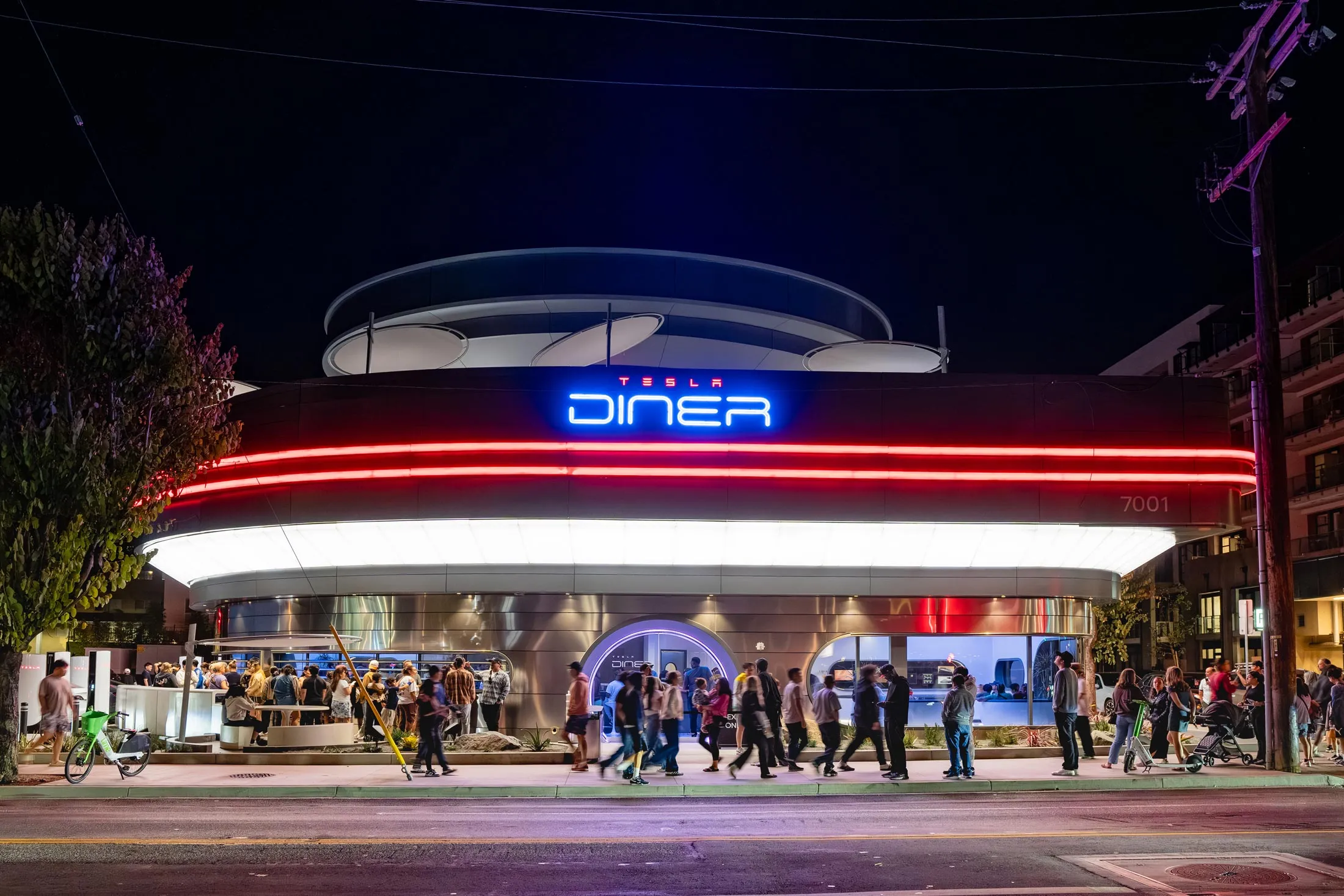
A real-world restaurant and social space bringing food automation, specialized robotics, and general-purpose robots together to develop, test, and improve the systems required for increasingly autonomous restaurant operations.

Creating real-world deployment opportunities where robots can perform practical tasks and generate valuable training data for physical AI.