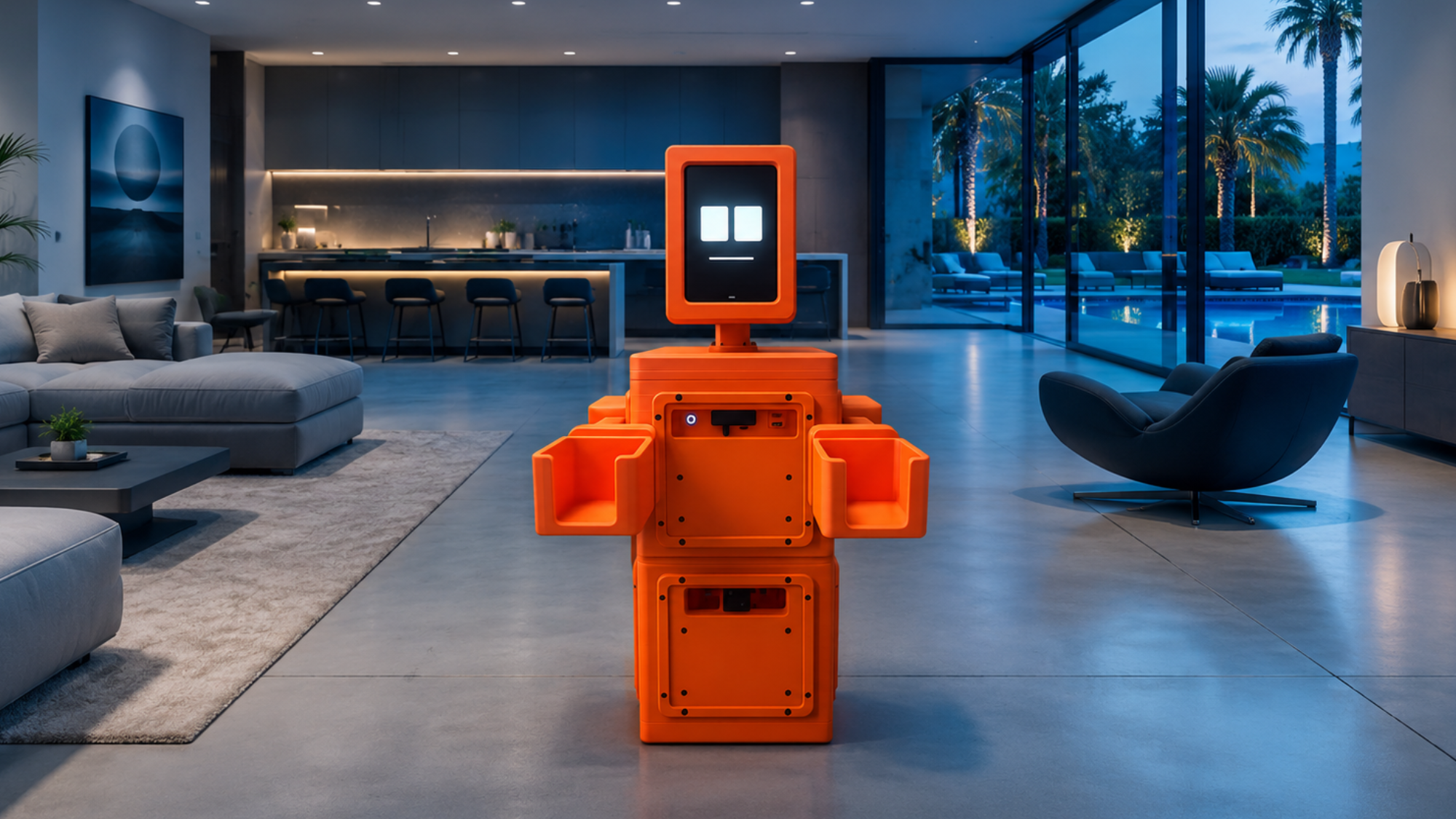
Millie Bot Open Source AI Robot
A fully open-source AI robot featuring natural conversation, autonomous navigation, computer vision, and a modular 3D-printed body.
A real-world restaurant and social space bringing food automation, specialized robotics, and general-purpose robots together to develop, test, and improve the systems required for increasingly autonomous restaurant operations.

Robot Restaurant Lab fully autonomous food service concept.
Robot Restaurant Lab is a project to design and operate a real-world food service environment where robotics, automation, and AI can be developed as parts of a complete autonomous system. The Lab will function as an operating public venue, serving real customers while providing a controlled environment for testing how different technologies perform together under everyday restaurant conditions.
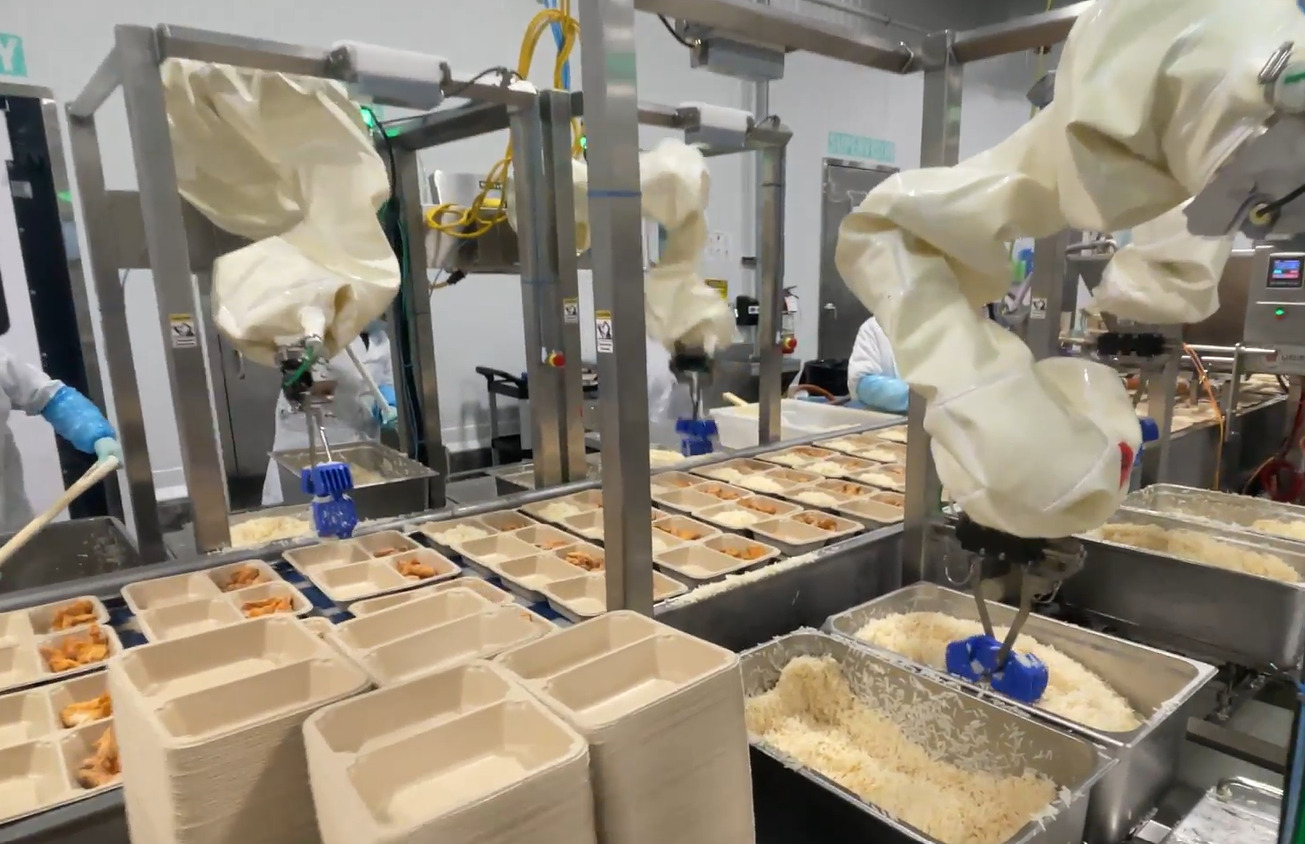
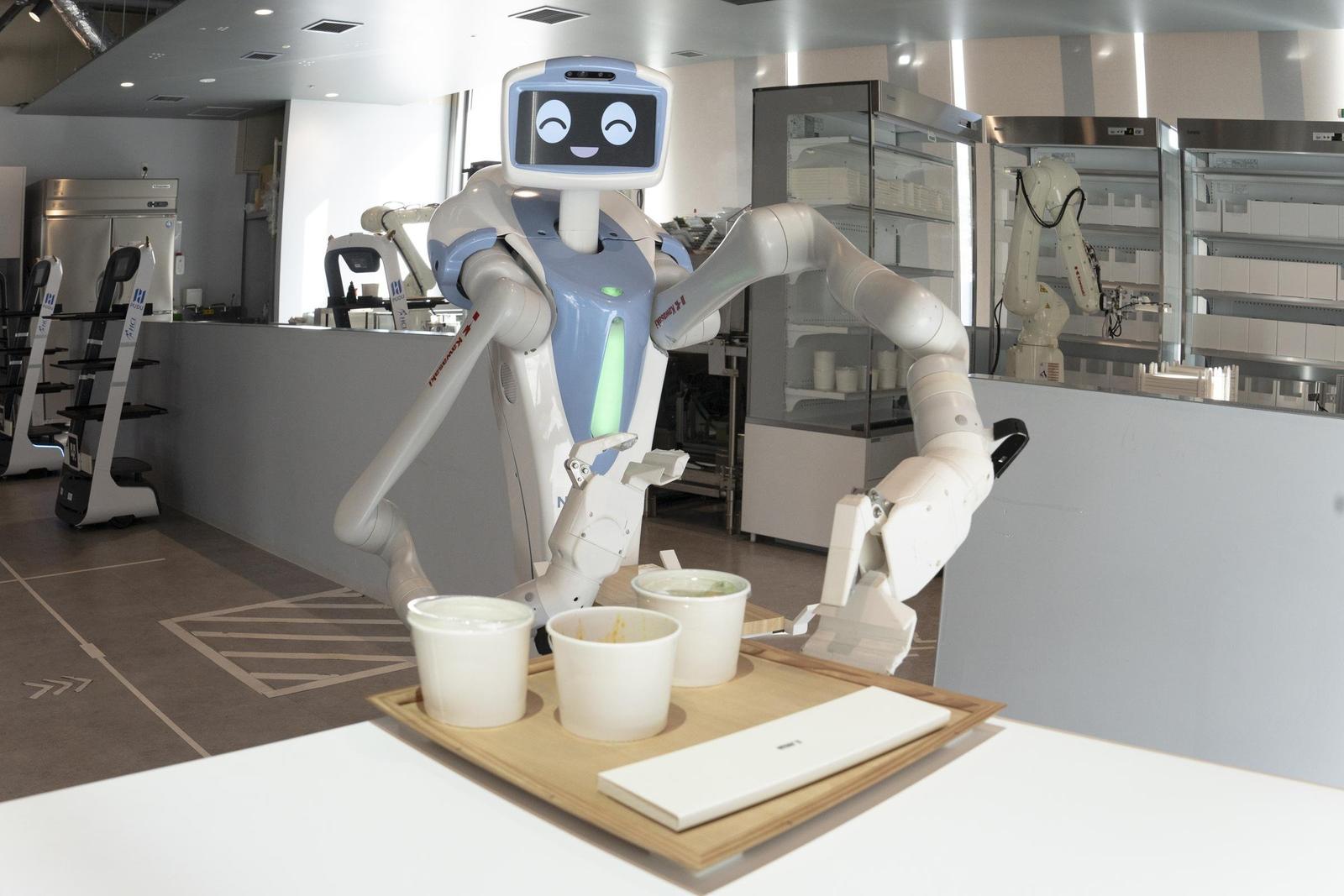
The project will bring together automated food preparation and cooking equipment, robotic arms, mobile robots, cleaning systems, general-purpose robots, and supporting software within a shared operating environment. The goal is to progressively automate the complete food service workflow, from receiving and storing ingredients through preparation, cooking, assembly, beverages, order fulfillment, cleaning, and customer service.
The restaurant industry does not need to wait for a single robot capable of running an entire kitchen. Companies are already developing specialized systems for cooking, meal assembly, beverage preparation, cleaning, delivery, and other parts of food service. At the same time, advances in AI, robotic manipulation, and mobile robotics are making it possible to automate increasingly complex and less structured tasks.
Robot Restaurant Lab explores what happens when these technologies are brought together as parts of one system. Rather than rebuilding automation that already exists, the project will focus on integrating proven technologies, identifying the gaps between them, and developing the robotics, software, infrastructure, and workflows required to connect them into an increasingly autonomous food service platform.

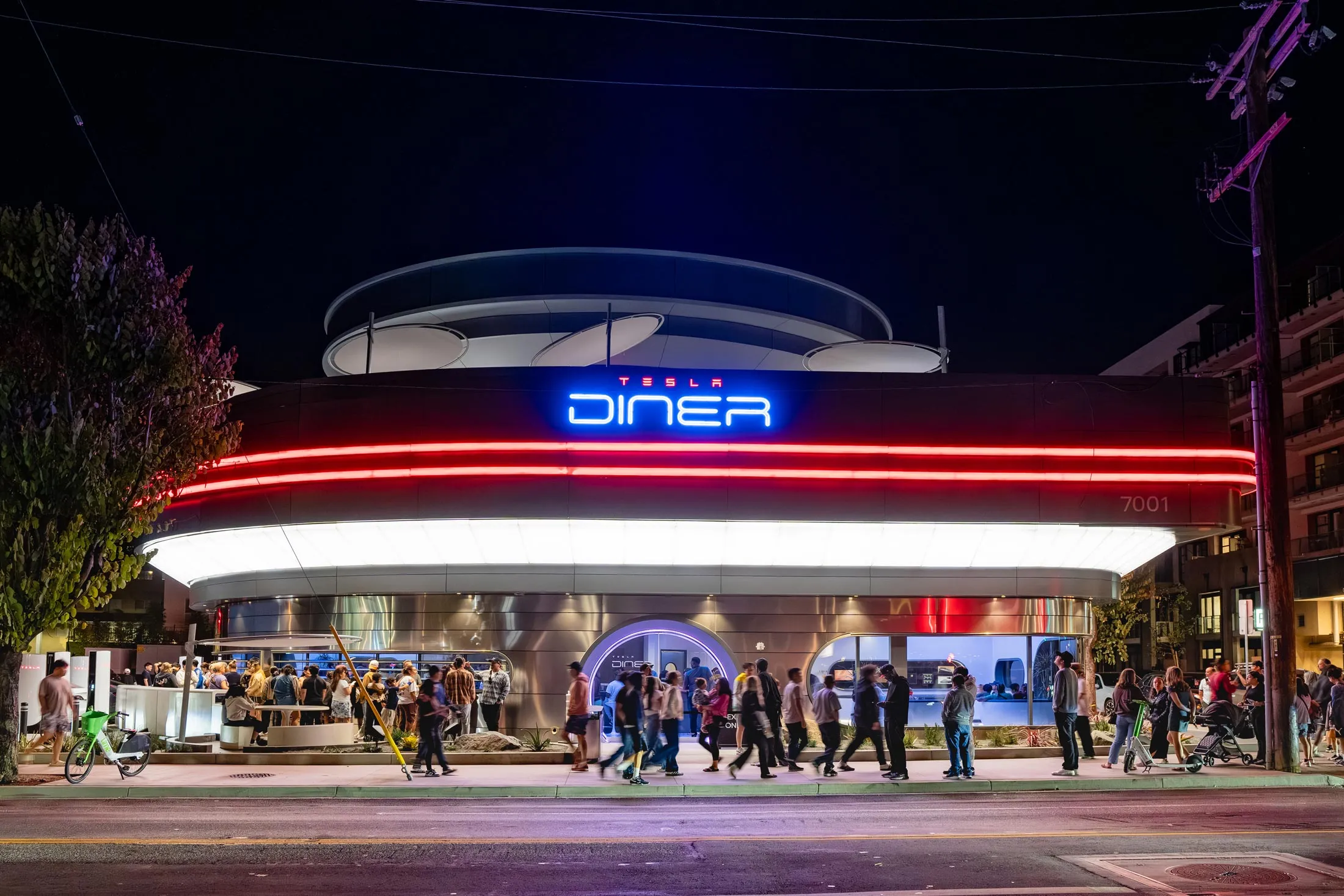
Robot Restaurant Lab will operate as a real public food service environment rather than a closed robotics demonstration. Customers will place real orders, interact with the space, and create the changing conditions that restaurant automation must ultimately be able to handle. This allows technologies to be evaluated under continuous operating conditions instead of isolated demonstrations or carefully controlled tests.
Every part of the operation creates an opportunity to identify where automation succeeds and where additional development is needed. Human interventions, system failures, bottlenecks, restocking, cleaning, order volume, and interactions between different robots can all help determine what needs to be improved next. Over time, the Lab can progressively extend automation across more of the food service workflow while generating the operational experience and real-world data needed to improve the system.
Existing automation can already handle significant parts of food service, but many of the connections between these systems still require people. Moving ingredients from storage, replenishing equipment, transferring food between stations, consolidating orders, handling exceptions, and maintaining the surrounding environment create opportunities for new robotics and automation.
Robot Restaurant Lab will use these gaps to guide development. Instead of trying to replace proven technologies, engineering efforts can focus on the tasks that remain difficult to automate and determine whether they are best solved through general-purpose robots, specialized equipment, redesigned infrastructure, software, or new operating workflows.

The goal is not to create a single restaurant configuration. Different food concepts require different equipment, workflows, and levels of automation. The Lab will explore a modular architecture where specialized cooking and preparation systems can be combined with shared technologies for storage, transportation, beverages, cleaning, fulfillment, and robotic manipulation.
This approach could allow the underlying platform to be adapted across different restaurant styles and food service environments. Technologies can be added, replaced, or reconfigured as new systems become available, allowing the platform to continue evolving alongside the robotics industry.
Operating the Lab with real customers creates a continuous source of information about how robotic systems perform outside controlled demonstrations. Successful tasks, human interventions, equipment failures, unusual situations, and interactions between different systems can all be captured and studied to understand where automation needs to improve.
This real-world data can support the development of better robotic behaviors, workflows, and AI models while providing technology partners with a place to evaluate their systems under realistic conditions. As more of the restaurant becomes automated, the Lab can continuously measure performance and use what it learns to improve the next generation of the platform.

Building a fully autonomous food service platform requires expertise from across the restaurant and robotics industries. Robot Restaurant Lab is designed as a collaborative environment where technology companies can integrate and test their systems, while restaurant operators contribute the workflows, operational knowledge, and real-world requirements needed to make automation commercially practical.
The Lab also creates an opportunity for investors interested in robotics, AI, food technology, and automation to participate in the development of a new food service model. Bringing these groups together allows the project to combine emerging technology with restaurant experience and the capital required to move from individual systems toward a complete operating platform.
Robot Restaurant Lab is beginning conversations with technology companies, restaurant operators, and investors interested in participating in the development of the first Lab.
Technology companies can contribute robotics, food automation, AI, equipment, and engineering expertise. Restaurant operators can help develop and test workflows that translate across real food service environments. Investors can participate in building the physical Lab, engineering team, and technology platform required to integrate these systems and expand what can be automated.
The goal is to bring the right partners together around a shared challenge: designing a food service operation that can become increasingly autonomous as the technology improves.

A fully open-source AI robot featuring natural conversation, autonomous navigation, computer vision, and a modular 3D-printed body.

Creating real-world deployment opportunities where robots can perform practical tasks and generate valuable training data for physical AI.

An autonomous food production system that stores ingredients, prepares and cooks meals, and serves customers from one compact robotic kitchen.

Lab37, part of Atoms, is developing specialized robotic systems designed to automate high-volume food production. Its approach shows how purpose-built machines could become the foundation of increasingly autonomous restaurant operations.