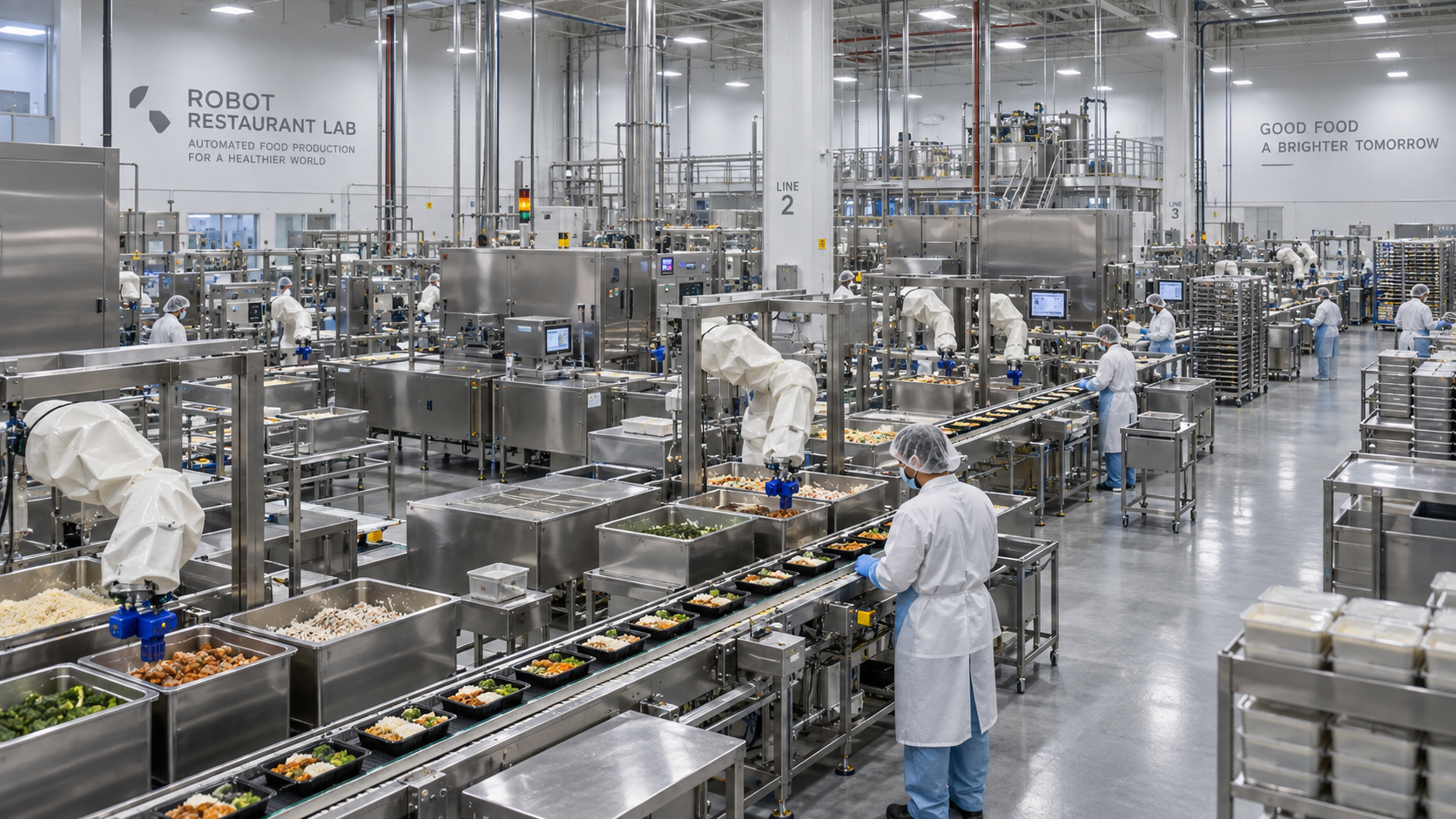
Building an Autonomous Restaurant Around Optimus
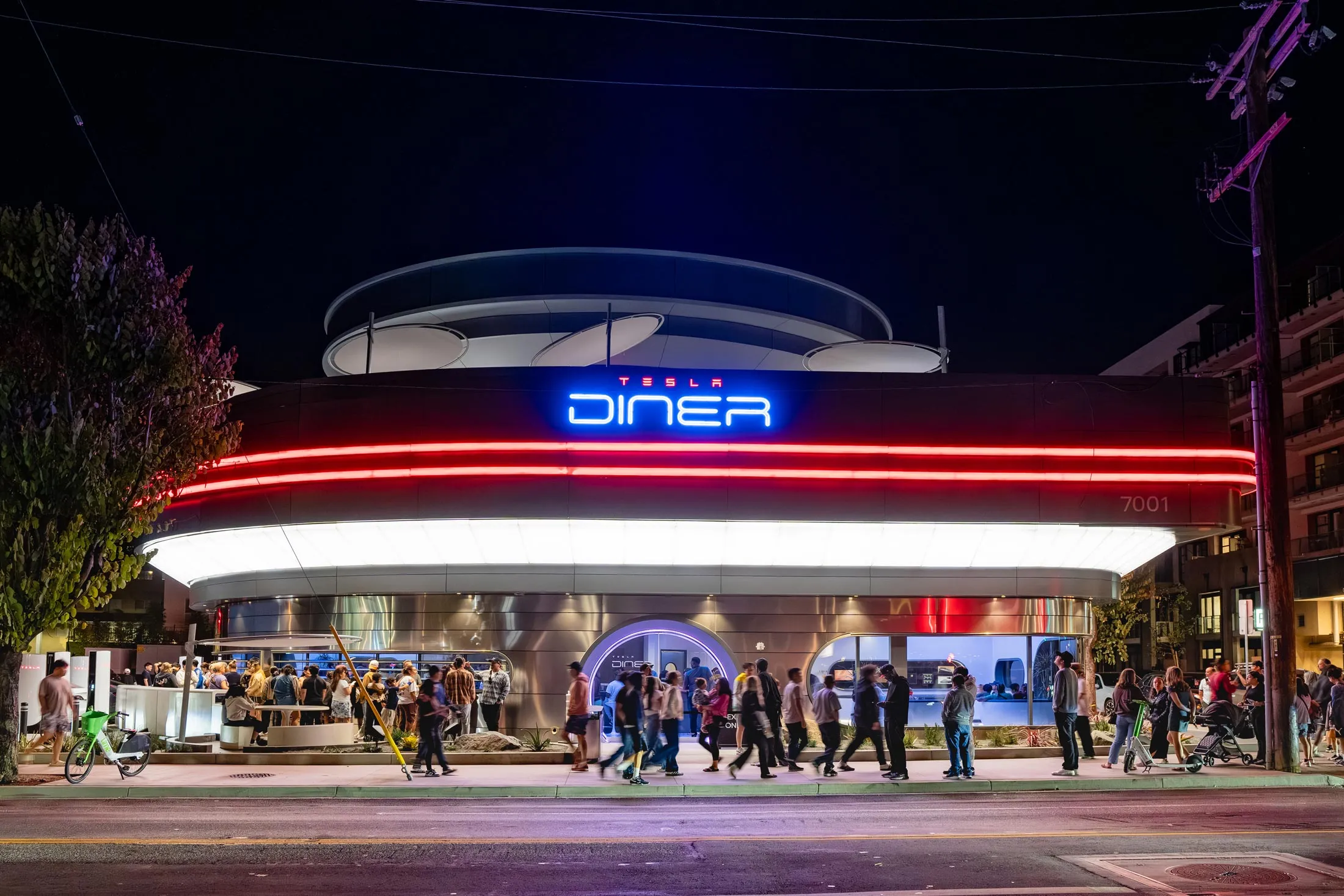
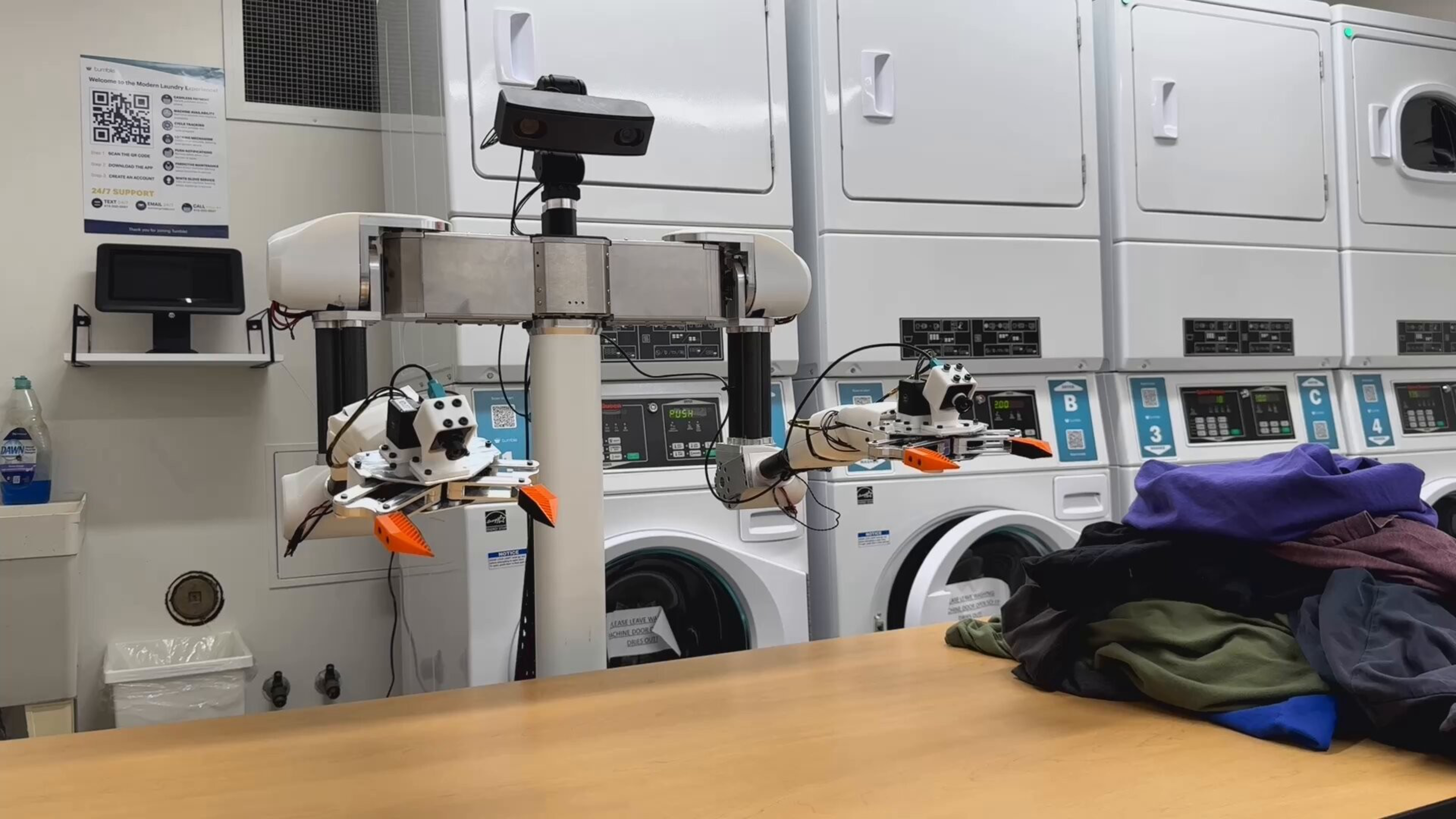
Tesla could combine existing automated food-production systems with Optimus to create a real-world environment where humanoid robots learn the physical tasks that connect an autonomous restaurant.
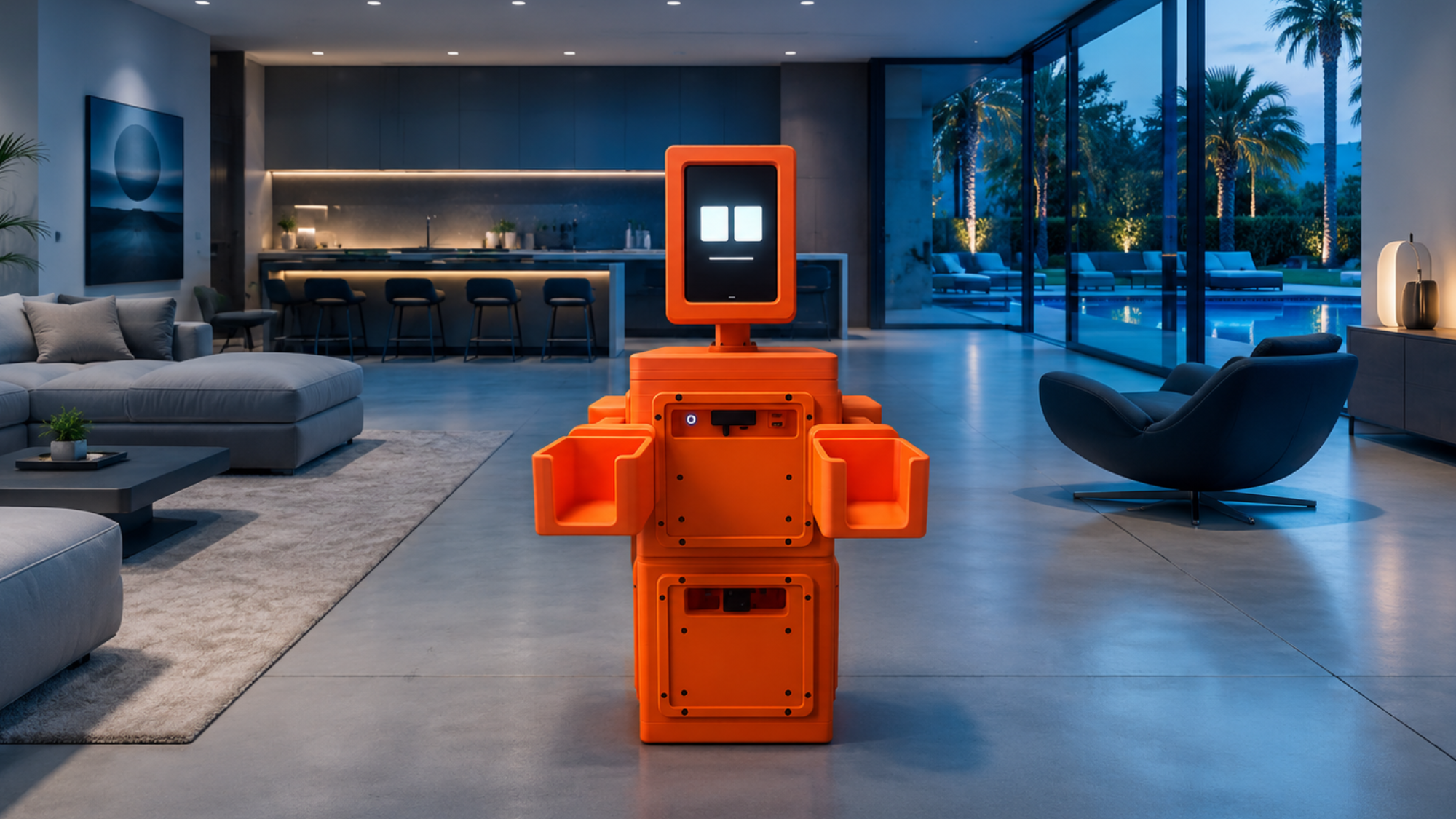
Millie Bot is now live on Kickstarter. Support our open-source, 3D-printed AI robot and help us take the next step from working prototype to production.

There are plenty of small and toy-like robots built around ROS, and ROS has become one of the most important open-source platforms in robotics. But we noticed something was still missing.
We wanted a robot that could actually talk with you, interact using modern AI, and move through real-world spaces, while still being built on the open ROS ecosystem.
Not a closed consumer robot. Not just a research platform. And not another small desktop robot.
So we decided to build one.
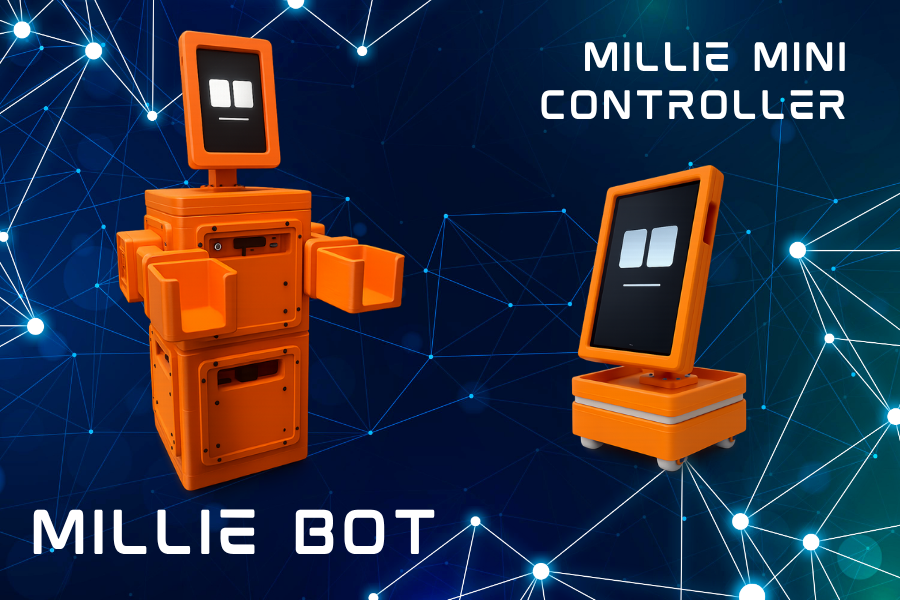
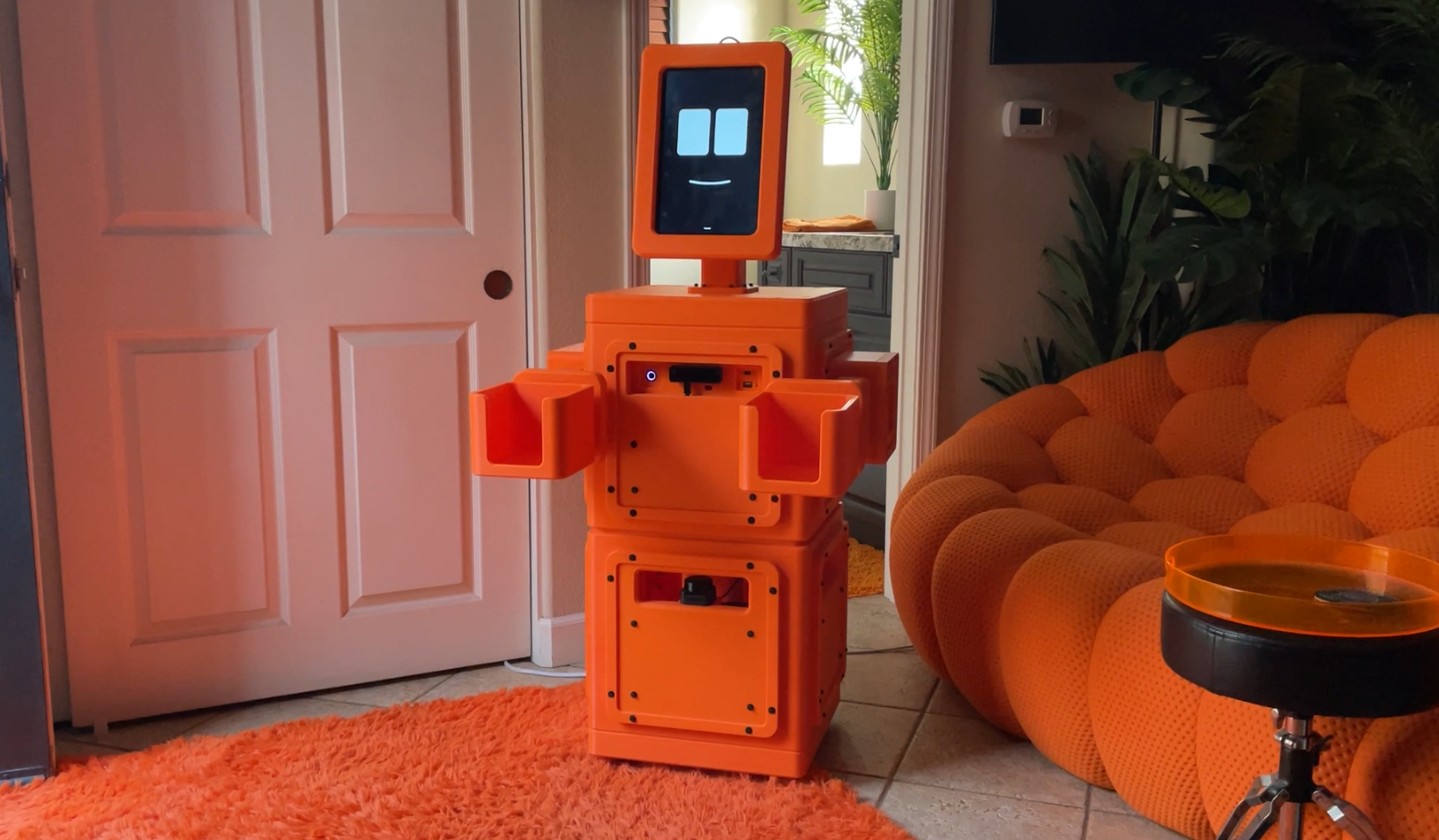
Millie Bot is our open-source, 3D-printed AI robot built on ROS 2, combining conversational AI with the navigation, sensors, and extensibility of a real robotics platform. The goal is to create something people can actually build, modify, program, and make their own.

Millie is built around ROS 2 Humble, giving the robot an open robotics foundation for connecting its movement, sensors, navigation, and higher-level AI systems.
For navigation, Millie uses LiDAR, depth sensing, mapping, and localization to understand and move through indoor spaces. A wireless tablet provides direct control of the robot and access to its mapping interface, while an onboard computer handles the software and AI workloads locally.
On top of ROS, we've added the conversational side of Millie. Modern AI models give the robot the ability to talk naturally, understand requests, and respond to what's happening around it. This allows the AI and the physical robot to work together rather than existing as two separate systems.
The hardware itself is designed around 3D-printed parts and readily available components rather than proprietary robotics hardware. Motors, sensors, cameras, computers, and other components can be replaced or upgraded as the technology evolves.
That modular approach is important to the project. Millie isn't designed as a finished, sealed appliance. It's a robotics platform that can continue to evolve as better AI models, sensors, and robotic capabilities become available.
Millie also includes Millie Mini, a desktop AI companion that extends the experience beyond the physical robot. Millie Mini lets you interact with the same AI directly from your computer, while connecting into the broader Millie system. Along with the wireless tablet used for navigation, mapping, and robot controls, it gives you another way to interact with and manage Millie from your desktop.

Tesla could combine existing automated food-production systems with Optimus to create a real-world environment where humanoid robots learn the physical tasks that connect an autonomous restaurant.

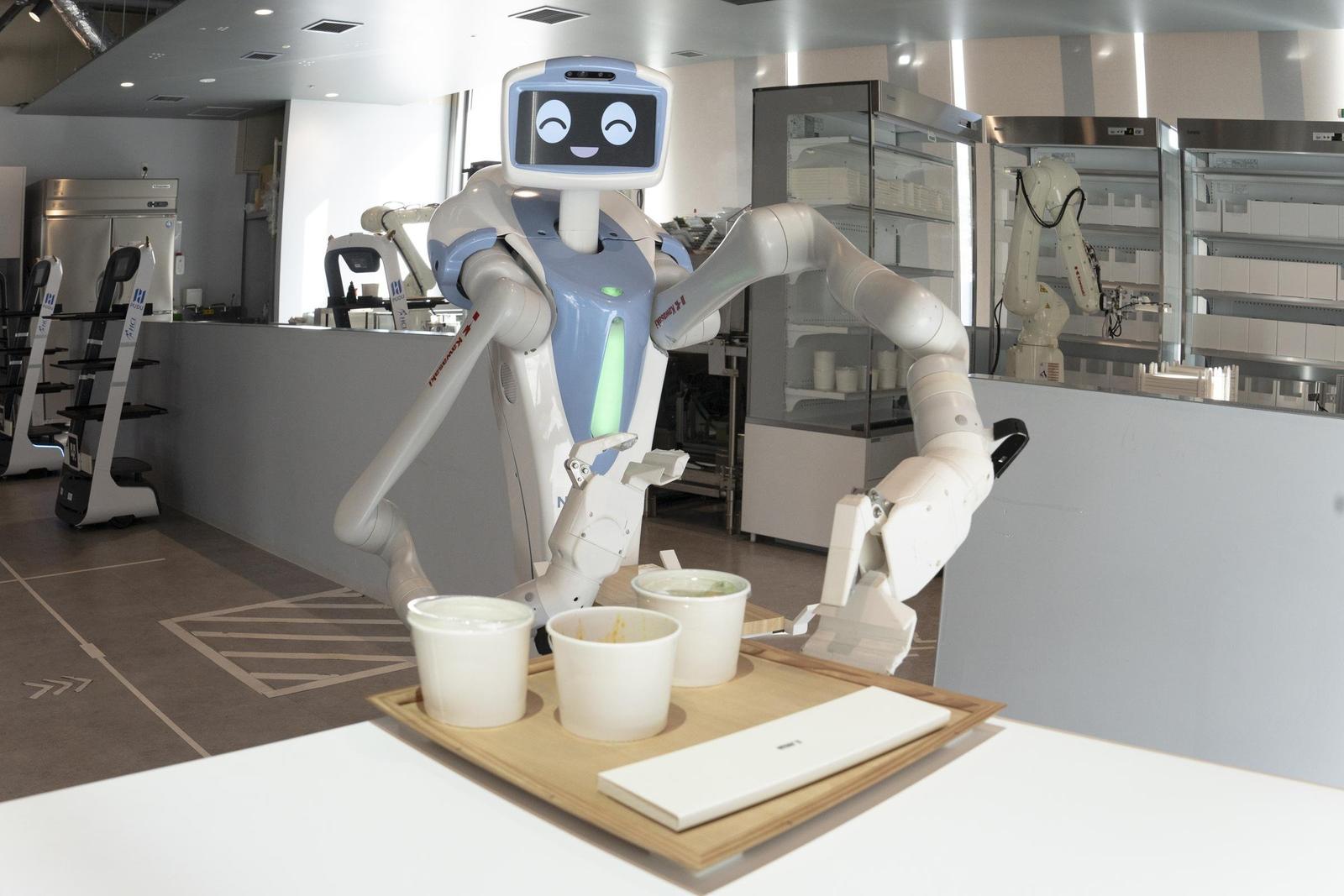
Building the integration layer that connects specialized food-service robotics into one modular, autonomous operating system.

Developing highly automated food production facilities that combine robotics, industry expertise, and regional partnerships to reduce costs and supply prepared food at commercial scale.

Creating real-world deployment opportunities where robots can perform practical tasks and generate valuable training data for physical AI.