

Economicspost
Post-Capitalist Economic System: Humanism
Humanism is a post capitalist economic system that places the value of human life above materialistic priorities such as capital, property, and the accumulation of wealth
351
Exploring how public ownership of strategic energy assets can improve long-term stability while generating public wealth.

Publicly owned global energy trade networks create stability
Energy markets are highly sensitive to global events. Armed conflicts, sanctions, natural disasters, and disruptions to major shipping routes can quickly reduce available supply or create uncertainty about future deliveries. Even the possibility of supply interruptions can cause oil prices to rise as traders and investors anticipate tighter markets, increasing costs throughout the global economy.
These price increases extend far beyond the fuel pump. Higher energy prices raise transportation costs, increase the cost of manufacturing and agriculture, and contribute to inflation across a wide range of goods and services. Because modern economies depend on reliable and affordable energy, periods of market instability can affect households, businesses, and governments alike, highlighting the importance of building resilient and dependable energy systems.
Unlike many consumer products, energy is a strategic resource that underpins nearly every sector of the economy. Businesses rely on fuel to transport goods, farmers depend on energy to produce food, manufacturers require reliable power to operate factories, and families depend on affordable fuel and electricity in their daily lives. When energy prices become volatile, the effects ripple throughout the entire economy, influencing everything from household budgets to national economic growth.
Because of this unique role, many countries treat energy differently from ordinary industries. Some maintain strategic petroleum reserves, others regulate key parts of the energy sector, and several have established publicly owned energy companies to help secure domestic supply and support long-term national objectives. These different approaches raise an important question: should energy be viewed solely as a private commodity, or also as a strategic public asset capable of providing both greater stability and long-term public investment?
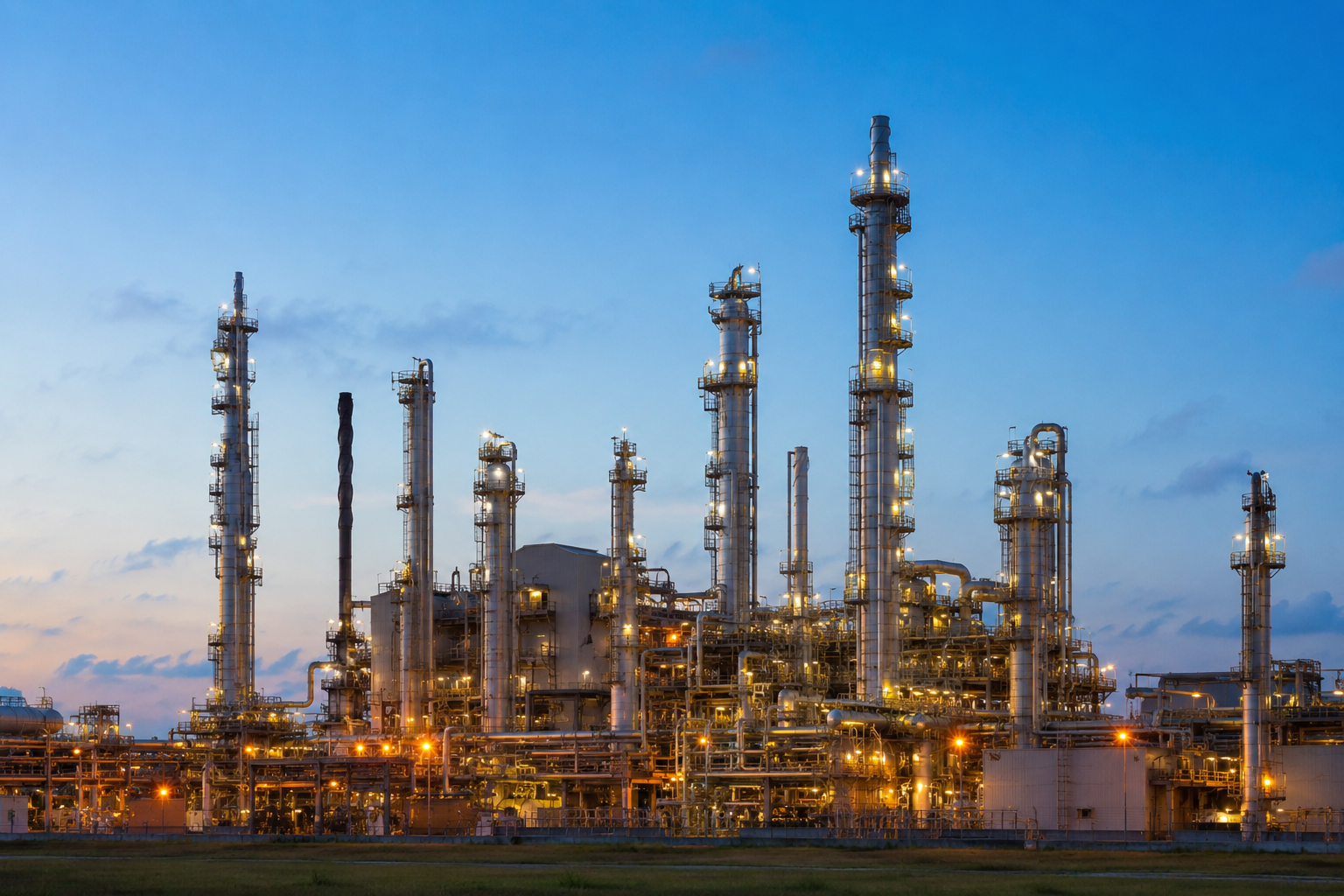
One approach to improving long-term energy stability is the creation or expansion of publicly owned energy enterprises. Unlike private companies, whose primary responsibility is to generate returns for shareholders, a public energy company can be given a broader mandate that includes maintaining reliable domestic supply, supporting long-term energy security, and promoting price stability while remaining financially sustainable. During periods of market disruption, such an institution may be better positioned to absorb temporary fluctuations rather than immediately passing every increase in wholesale prices directly to consumers.
A publicly owned energy enterprise could operate across multiple parts of the energy supply chain, including production, refining, distribution, storage, and retail fuel sales. A nationwide network of publicly owned fuel stations could provide a stable market participant that competes alongside private retailers while helping moderate price volatility during periods of unusually high market prices. Rather than replacing private companies, the objective would be to establish a public institution capable of supporting both economic stability and national energy security.
Energy resources represent more than a source of fuel—they are also valuable public assets capable of generating long-term financial returns. Instead of viewing oil and gas revenues solely as income to be spent in the present, some countries have chosen to invest a portion of those revenues into permanent financial assets. By converting temporary resource wealth into diversified investment portfolios, governments can continue generating income long after the underlying resource has been extracted.
This approach forms the foundation of the sovereign wealth fund model. Rather than allowing all resource revenues to flow immediately into annual government budgets, a portion is invested in businesses, infrastructure, real estate, and financial markets around the world. Over time, the investment returns themselves become an additional source of public revenue, helping finance future infrastructure, public services, and economic development while preserving wealth for future generations.
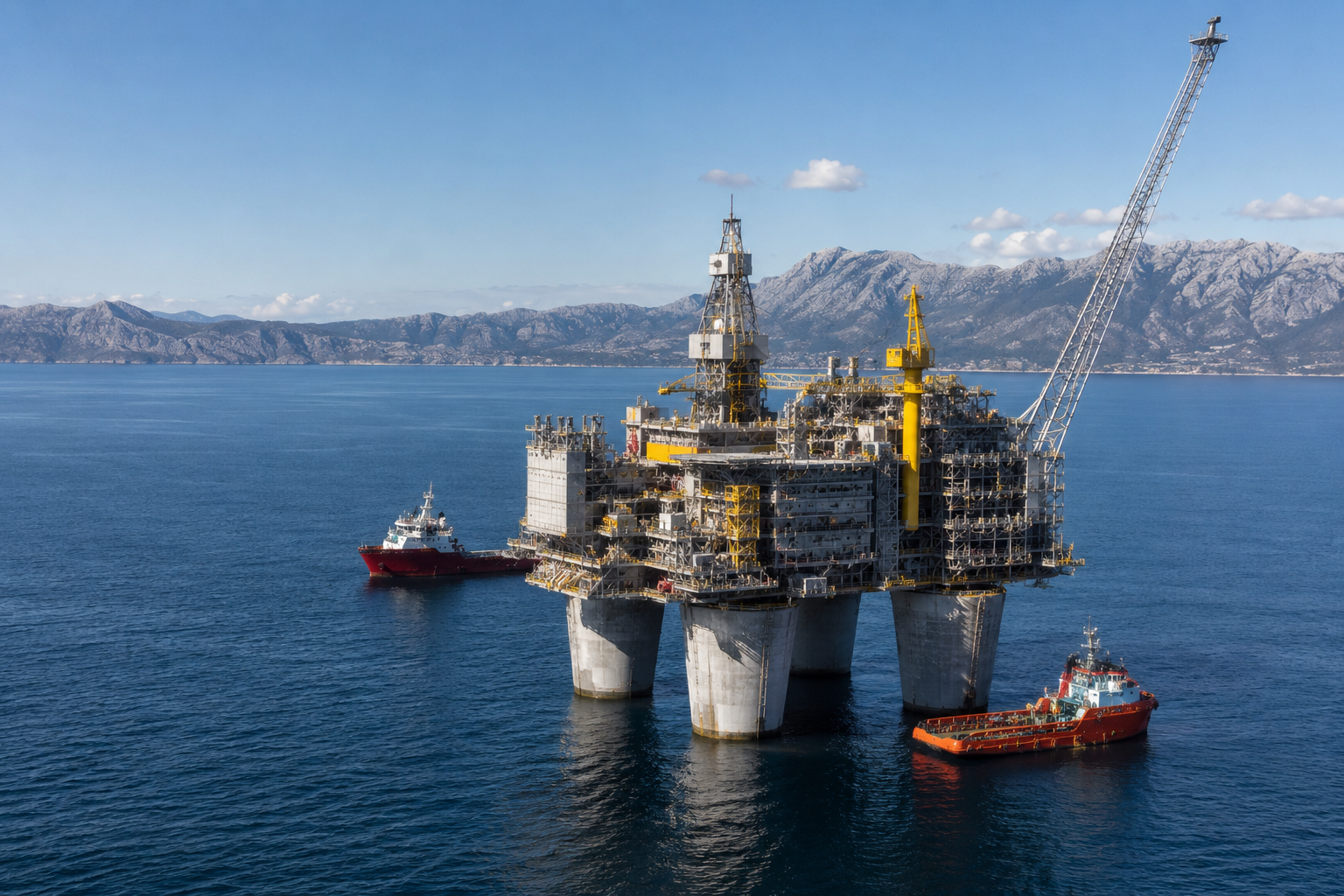
Norway provides one of the world's most well-known examples of transforming natural resources into long-term public wealth. Following the discovery of large offshore oil and gas reserves in the North Sea, the Norwegian government chose to capture a substantial share of the industry's economic value through taxation and state participation. Rather than spending all of these revenues immediately, much of the income has been directed into the Government Pension Fund Global.
Today, the fund is one of the largest sovereign wealth funds in the world, with investments spanning thousands of companies, real estate, infrastructure, and other financial assets across dozens of countries. Instead of relying solely on a finite natural resource, Norway has gradually converted a portion of its petroleum wealth into a diversified investment portfolio designed to generate income for both current and future generations.
The United Arab Emirates has taken a similar approach by using oil revenues to build some of the world's largest sovereign wealth funds. While petroleum has played a central role in the country's economic development, government investment institutions have directed a significant share of that wealth into global businesses, infrastructure, technology, financial markets, and real estate. This strategy seeks to reduce long-term dependence on oil by creating a broader portfolio of income-producing assets.
By investing resource revenues beyond the energy sector, the UAE has worked to diversify its economy while building public financial reserves for the future. The underlying principle is straightforward: natural resources are finite, but the wealth they generate can be transformed into long-term investments that continue producing returns long after oil production begins to decline.

Singapore demonstrates that sovereign wealth does not depend on oil or other abundant natural resources. Despite having few natural resources of its own, the country has built substantial public wealth through disciplined fiscal management, government-owned investment companies, and strategic ownership of productive assets. Rather than relying on resource exports, Singapore has invested public reserves into diversified global portfolios that generate long-term returns for the nation.
This example illustrates that the principle behind sovereign wealth extends far beyond energy. Governments can build public wealth by owning and investing productive assets, whether those assets originate from natural resources, state-owned enterprises, budget surpluses, or other long-term investments. The focus is not on where the initial capital comes from, but on managing it responsibly to support future generations.
China provides another example of how governments can use public ownership to support long-term economic development, although it follows a different model than countries like Norway. Rather than relying primarily on a single sovereign wealth fund financed by oil revenues, China combines state-owned energy companies with large public investment institutions. Major oil and gas companies, electric utilities, and other strategic enterprises are either wholly or majority owned by the state, allowing a portion of their profits to be reinvested into public priorities. These state-owned enterprises operate commercially while contributing to broader national objectives such as energy security, infrastructure development, industrial growth, and technological advancement.
China has also established sovereign wealth funds, including China Investment Corporation, which invests public capital in assets around the world to generate long-term financial returns. China's public investment model draws on a broader mix of state assets, foreign exchange reserves, and profits from state-owned enterprises. Together, these institutions demonstrate another approach to public investment: governments can generate long-term public wealth not only through ownership of natural resources, but also through strategic ownership of key industries and investment funds that produce recurring returns for future development.
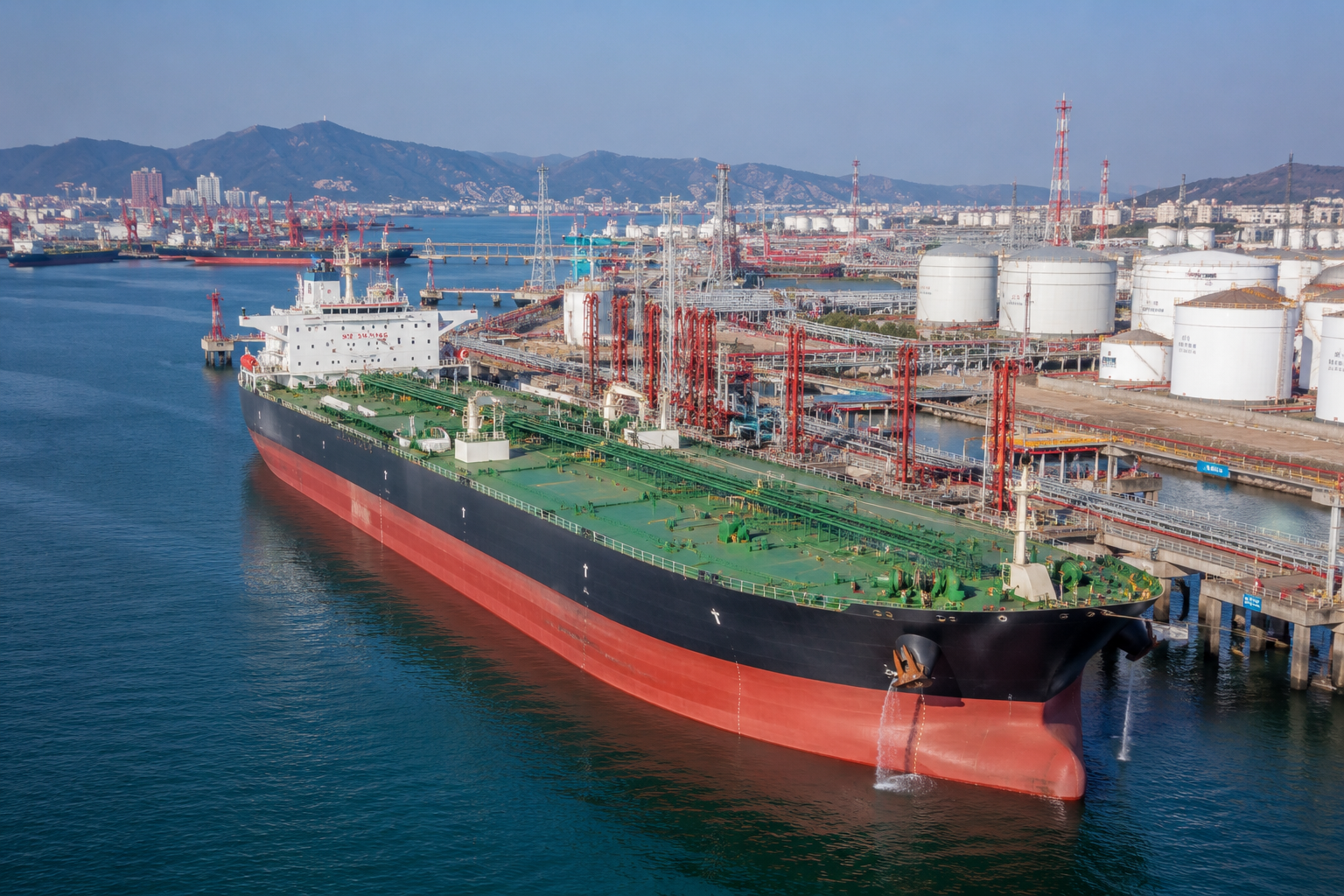
The examples of Norway, the United Arab Emirates, Singapore, and China demonstrate that governments can use public assets in different ways to strengthen their long-term financial position. While each country has adopted a unique approach, they share a common principle: strategically important public assets can generate ongoing revenue that supports future investment rather than simply funding current expenditures.
Applied to the energy sector, this principle suggests a broader role for public ownership. A publicly owned energy enterprise could participate in energy production, refining, fuel distribution, strategic reserves, and retail fuel sales through publicly owned fuel stations. During periods of market stability, the enterprise could generate revenue for future investment. During periods of supply disruption or unusually high prices, it could prioritize reliable domestic supply and moderate price volatility while continuing to operate as a financially sustainable public institution.
Energy is more than a commodity—it is one of the foundational resources that powers every modern economy. If managed as a long-term public asset, the revenue generated from strategic energy enterprises could help finance transportation infrastructure, renewable energy, scientific research, education, healthcare, housing, and other investments that strengthen society over time. Rather than viewing energy profits as an end in themselves, they can become a source of capital for broader public development.
This approach reflects a broader philosophy of public finance: productive public assets have the potential to generate lasting public wealth. By responsibly investing the returns from strategic industries, governments can gradually build stronger financial institutions, reduce dependence on debt, and create additional resources to support future generations while maintaining a stable and resilient economy.
Global energy markets will likely continue experiencing periods of volatility driven by geopolitical conflicts, supply disruptions, changing demand, natural disasters, and technological change. While no single institution can eliminate these fluctuations entirely, governments can choose how they prepare for them. Building resilient public institutions alongside private markets offers one approach to strengthening energy security while providing additional tools to respond during periods of economic uncertainty.
Public energy enterprises and sovereign wealth funds represent a broader philosophy of public finance—one that views strategic industries not only as sources of economic activity, but also as long-term public assets capable of generating lasting value. By responsibly managing natural resources and reinvesting a portion of the wealth they create, governments can strengthen their financial foundation, improve economic resilience, and convert temporary resource wealth into permanent public investment for future generations.
Humanism is a post capitalist economic system that places the value of human life above materialistic priorities such as capital, property, and the accumulation of wealth

A closer look at how housing, education, food, healthcare, and wages have changed since the 1970s—and what the numbers actually tell us when adjusted for inflation.

A fully open-source AI robot featuring natural conversation, autonomous navigation, computer vision, and a modular 3D-printed body.

An all-in-one platform for managing properties, direct bookings, and guest experiences.