Challenges Beyond Construction
Building homes more efficiently is only one part of addressing the housing shortage. New developments must still navigate local zoning regulations, environmental reviews, permitting requirements, utility infrastructure, and transportation planning before construction can begin. In many communities, these processes can take years, regardless of how quickly homes themselves can be manufactured. Financing also plays a significant role, as developers must secure funding while future homeowners face changing mortgage rates and borrowing costs.
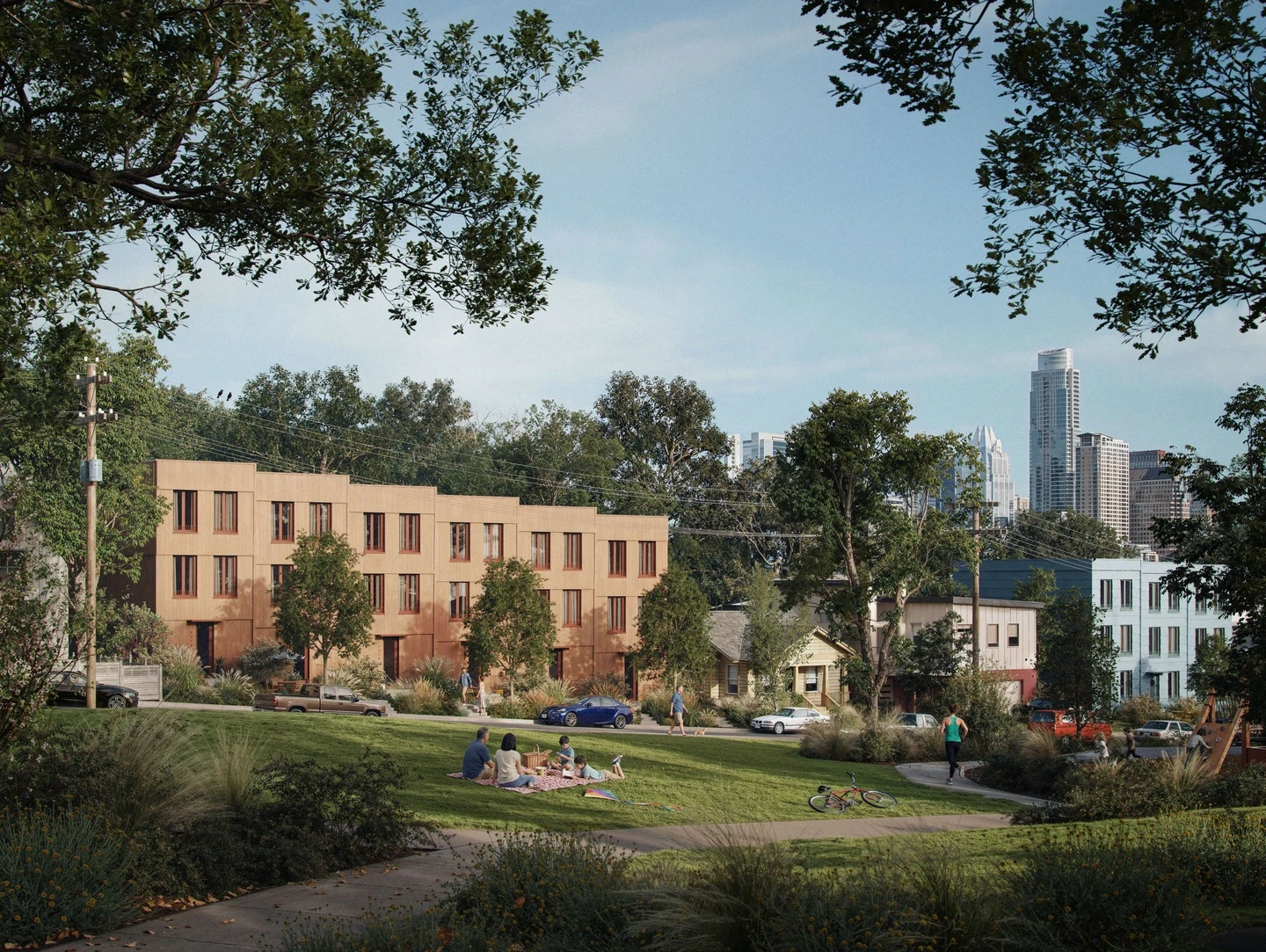
Community planning is another important consideration. New neighborhoods require schools, parks, roads, public transportation, healthcare services, and other essential infrastructure to support growing populations. Successful housing developments are not simply collections of homes—they are places where people live, work, and build communities. As a result, solving the housing crisis requires coordination between builders, local governments, financial institutions, and residents to ensure that new development is both sustainable and well integrated into the surrounding area.
Learning From New Approaches
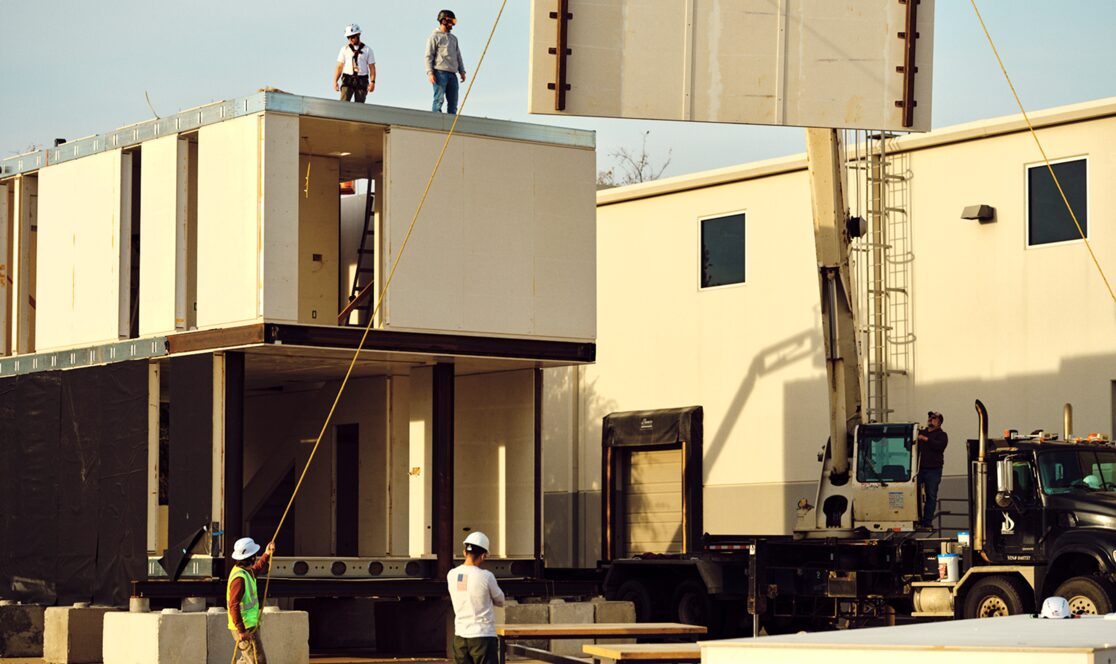
Companies like American Housing demonstrate that innovation in residential construction is still evolving. Advances in manufacturing, digital design, automation, and supply chain management are creating new opportunities to rethink how homes are built and delivered. While different companies may pursue different strategies, the broader goal remains the same: finding practical ways to increase housing supply while improving affordability and maintaining quality.
For communities, policymakers, and organizations exploring solutions to the housing crisis, these emerging models provide valuable case studies. Some ideas may prove highly successful, while others will continue to evolve as technology, regulations, and market conditions change. By examining a variety of approaches—from traditional construction to modular manufacturing and public-private partnerships—we can better understand the tools available to help meet America's growing housing needs.