
Communitypost
The New American Dream: Community
As our challenges become more complex, our greatest strength may be our ability to solve them together.
390
Exploring how public banks, investment funds, and public development can expand long-term investment while building public wealth.

Public banks support public infrastructure projects
Every modern society depends on public finance. Roads, schools, hospitals, utilities, emergency services, public transportation, scientific research, and countless other public investments all require financial resources to build, operate, and maintain. The question is not whether governments should invest in public infrastructure, but how those investments should be financed and how the financial system itself is organized.
Today, most governments rely primarily on taxation and borrowing to fund public investment. While these tools have financed economic development for generations, they are not the only models available. Around the world, governments also own banks, investment funds, public utilities, development corporations, and other financial institutions that help finance growth while generating long-term public value. Understanding how these different approaches work provides a broader perspective on the role public finance can play in building a nation's future.
Most major infrastructure projects are too expensive to be paid for entirely from a single year's tax revenue. Instead, governments commonly finance long-term investments by issuing bonds, allowing them to raise the capital needed to build highways, bridges, schools, water systems, public transit, and other essential infrastructure. These bonds are purchased by investors, who provide the upfront funding in exchange for regular interest payments and the eventual return of their principal.
Over the following years or decades, governments repay these bonds using public revenue generated through taxes and other sources. This system allows infrastructure to be built today while spreading its cost over the generations that benefit from it. It has become one of the primary ways governments finance long-term development, connecting public investment with private capital through the financial markets.

Governments also manage enormous amounts of public money long before it is spent. Tax revenue, agency budgets, payroll funds, pension contributions, and reserve accounts are typically held in commercial banks or managed through private financial institutions as part of normal treasury operations. Like other bank deposits, these public funds become part of the broader financial system, supporting lending and other financial activity while remaining available to meet the government's obligations.
This creates an interesting financial relationship. Public funds help support the banking system, yet when governments undertake major infrastructure projects, they often return to the financial markets to borrow capital and pay interest over many years. Recognizing how public money moves through the financial system raises an important question: could some of these financial functions be performed by publicly owned institutions that keep a greater share of the long-term financial benefits within the public sector?
Public finance is often viewed through the lens of taxes, budgets, and public spending. However, governments can also build wealth by owning productive financial institutions and public assets that generate long-term value. Rather than relying exclusively on taxation and borrowing, these institutions can create ongoing sources of revenue, reduce financing costs in some cases, and strengthen the public sector's capacity to invest in future generations.
This approach does not require replacing private enterprise or fundamentally changing a market economy. Instead, it expands the financial tools available to governments by allowing them to participate more directly in economic development. Public banks, investment funds, and development corporations each represent different ways of building public assets that can support infrastructure, businesses, housing, and other long-term public priorities.

A public bank is a financial institution owned by a government rather than private shareholders. Like any bank, it accepts deposits, manages capital, and makes loans, but its primary objective is to serve the public interest rather than maximize profits. Depending on its charter, a public bank may provide financing for infrastructure, local governments, small businesses, agriculture, affordable housing, or other projects that support long-term economic development.
Because a public bank does not have to generate returns for private shareholders, it may be able to provide financing at rates that cover its operating costs, maintain appropriate reserves, and ensure long-term financial stability. When used responsibly, this can reduce financing costs for certain public investments while allowing interest payments to remain within a publicly owned institution. Rather than replacing private banks, a public bank can operate alongside them, expanding the range of financing available for projects that create broad public value.
Governments regularly invest in infrastructure that supports economic growth, including transportation networks, utilities, energy systems, water infrastructure, and public facilities. A public investment fund provides a dedicated institution for financing these long-term projects, allowing governments to plan strategically and reinvest returns from successful investments into future development. Rather than viewing each project as an isolated expense, the fund treats public investment as part of a long-term financial strategy.
Over time, certain public assets can generate their own revenue through user fees, service charges, energy sales, or other operating income. When these revenues are reinvested instead of simply absorbed into general budgets, they can help finance additional infrastructure while strengthening the public sector's financial position. The objective is to create a sustainable cycle of investment in which successful public projects help support future public development.
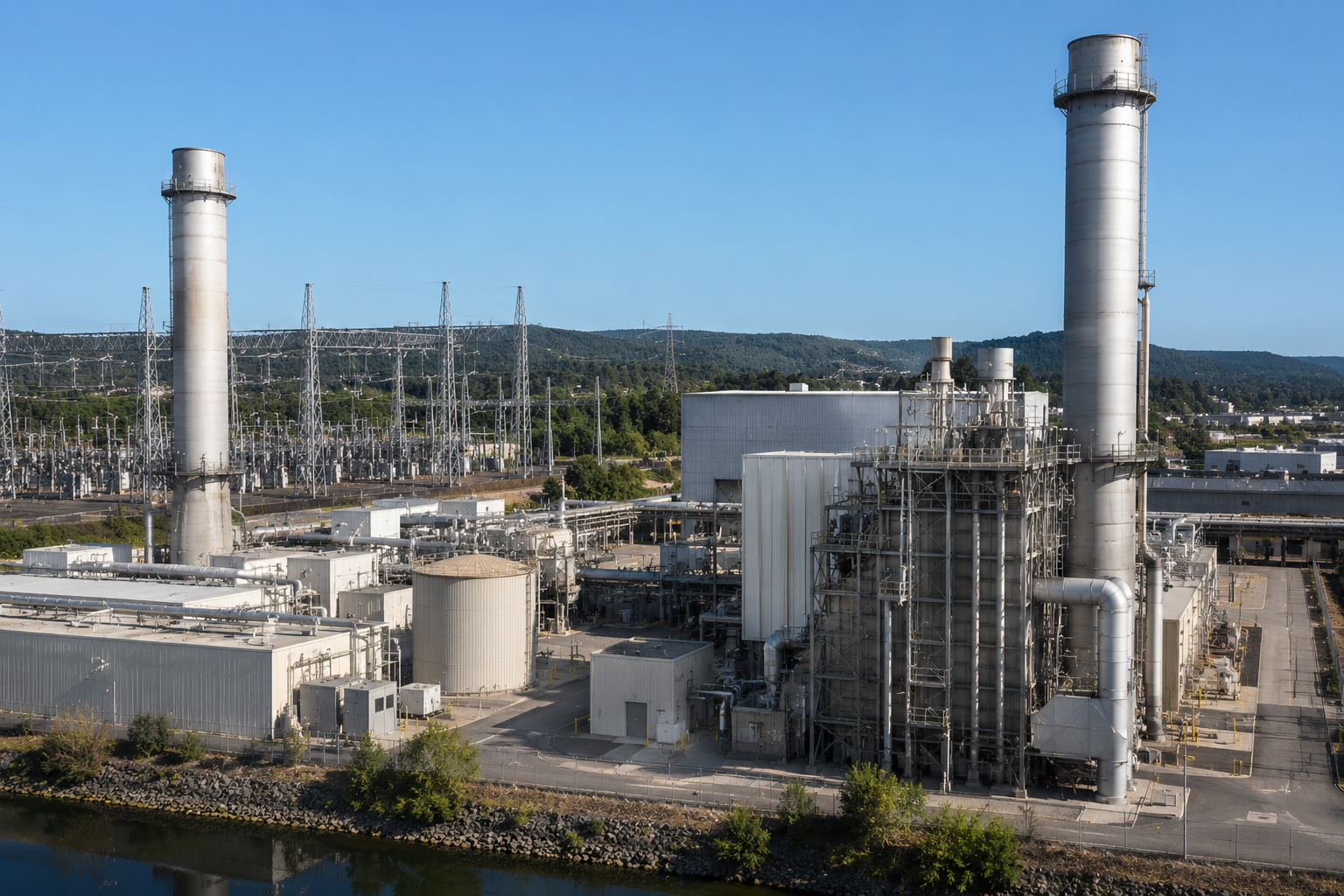
Public development corporations focus on building and managing long-term public assets. Rather than simply financing projects, they can develop mixed-use neighborhoods, research campuses, industrial parks, affordable housing, commercial districts, and other strategic developments that support economic growth. In many cases, the goal is not to maximize short-term revenue through land sales, but to create productive public assets that continue serving communities for decades.
Instead of selling strategically important land outright, a public development corporation may retain ownership while leasing land or commercial space to private businesses and residents. The private sector continues to build, invest, and operate within these developments, while lease payments provide an ongoing source of public revenue. As communities grow and property values increase, the public retains a lasting financial interest in the development, creating resources that can be reinvested into future infrastructure, housing, and economic development.
Public investment often increases the value of surrounding land. New roads, transit systems, utilities, parks, schools, and other infrastructure make nearby property more desirable, encouraging new homes, businesses, and economic activity. An important question in public finance is how much of this increase in land value should remain with private landowners and how much should be returned to the public that helped create it.
Different countries have adopted different approaches to addressing this question. Some rely on land value taxes, allowing private ownership while collecting a portion of the land's value to help fund public services. Others retain public ownership of strategically important land and lease its use to businesses and residents, allowing the public to share in future appreciation through long-term lease revenue. While these models differ in their implementation, both seek to capture part of the economic value created through public investment and return it to the broader community.

Many of these ideas are already in use, although they take different forms depending on a country's history, legal system, and economic priorities. Public banks operate in some jurisdictions to support local lending and infrastructure, while ports, airports, universities, and public authorities often own and lease valuable land and commercial property. In other cases, governments manage investment funds that finance long-term development or reinvest revenues generated by public assets.
These examples demonstrate that public financial institutions are not a single model but a broad set of tools that can be adapted to different circumstances. Some have achieved significant success, while others have faced important challenges and trade-offs. Studying these experiences provides valuable insight into how governments can expand their investment capacity while maintaining financial responsibility and supporting a dynamic private economy.
No single institution can meet every public financing need, and traditional tools such as taxation and borrowing will continue to play an essential role in funding government. However, public banks, investment funds, and development corporations offer additional ways to finance long-term growth while building assets that can continue generating value for future generations. Together, these institutions expand the range of financial tools available to governments without replacing the role of private enterprise.
As communities continue to grow and infrastructure needs increase, governments will face important decisions about how to finance the future. Exploring different models of public finance encourages a broader conversation about building not only public infrastructure, but also public wealth. By creating institutions that invest in long-term economic development and responsibly manage public assets, governments can strengthen their financial foundation while supporting a more resilient and prosperous economy.
As our challenges become more complex, our greatest strength may be our ability to solve them together.

Exploring how modern construction methods and large-scale home building could help increase housing supply and improve affordability across the United States.

How the modern financial system evolved from supporting the real economy to competing with it, and why restoring productive investment is essential for long-term prosperity.

Humanism is a post capitalist economic system that places the value of human life above materialistic priorities such as capital, property, and the accumulation of wealth
How the modern financial system evolved from supporting the real economy to competing with it, and why restoring productive investment is essential for long-term prosperity.

A fully open-source AI robot featuring natural conversation, autonomous navigation, computer vision, and a modular 3D-printed body.

An all-in-one platform for managing properties, direct bookings, and guest experiences.