
Communitypost
The American Housing Corporation: A New Approach to Building Homes
Exploring how modern construction methods and large-scale home building could help increase housing supply and improve affordability across the United States.
411
As our challenges become more complex, our greatest strength may be our ability to solve them together.
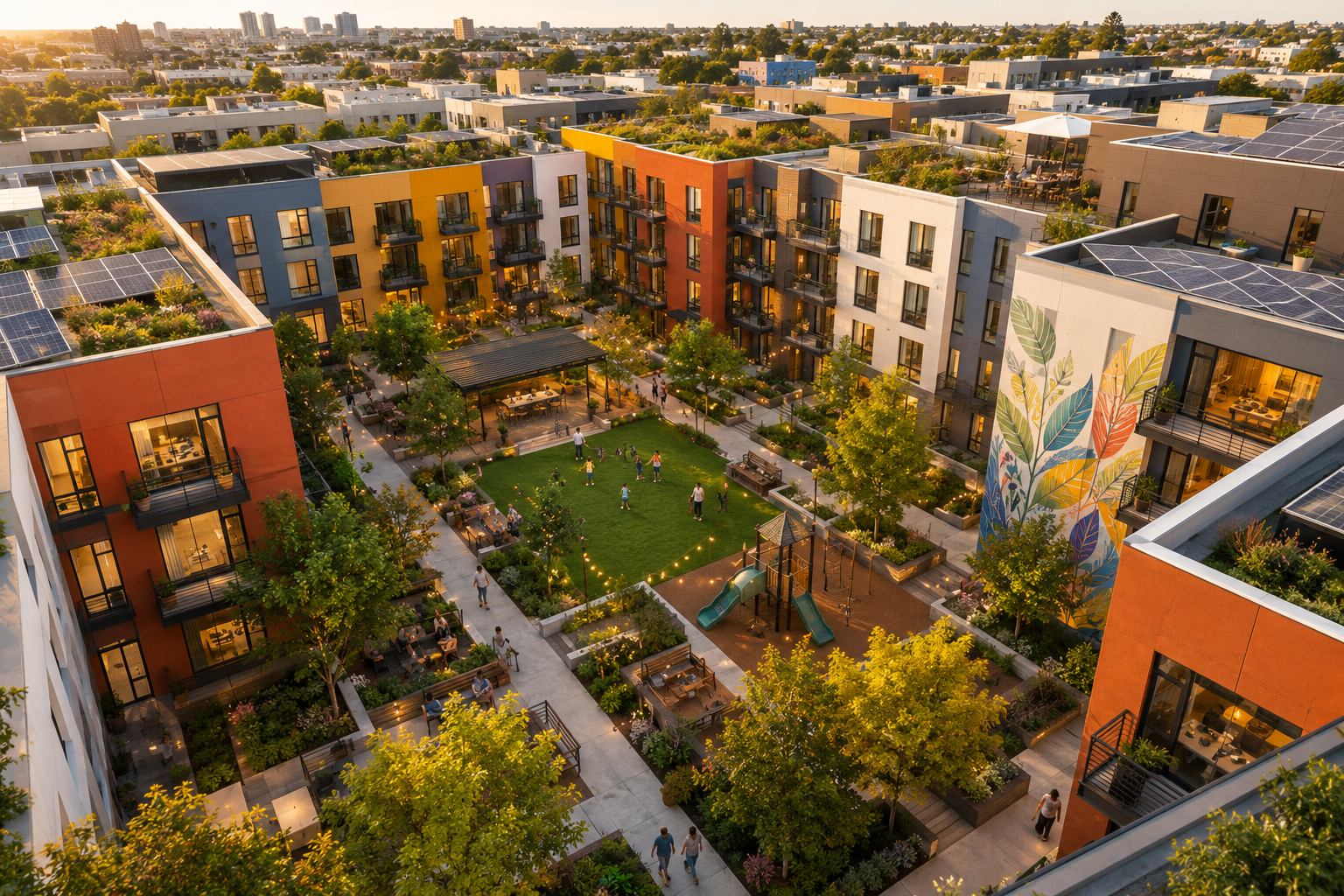
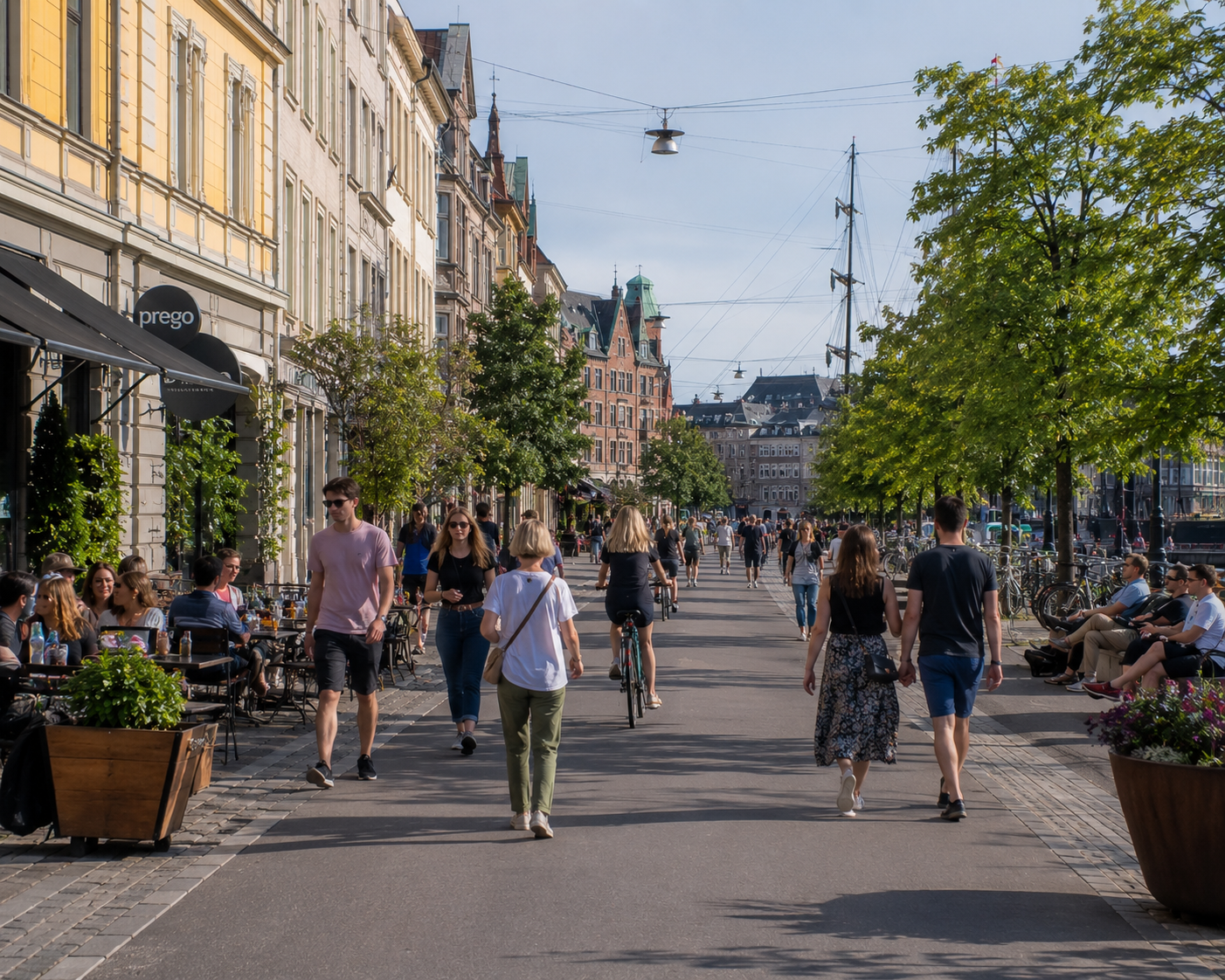
Courtyard centered urban design promotes organic local communities
For generations, the American Dream represented the promise that hard work, determination, and opportunity could lead to a better life. It inspired millions of people to pursue an education, build successful careers, start businesses, purchase homes, and provide greater opportunities for their children. The pursuit of individual prosperity became one of the defining ideals of American society, encouraging innovation, entrepreneurship, and economic growth.
That vision remains an important part of the American Dream today. Financial security, homeownership, and personal success continue to be meaningful goals for millions of Americans. Yet as our society has grown more interconnected, many of the challenges we face have also become larger and more complex. Issues such as healthcare, affordable housing, education, infrastructure, and public trust increasingly extend beyond what any one individual can solve alone. While personal achievement remains important, many of our greatest opportunities may now depend on how effectively we work together.
Community has always been one of America's greatest strengths. Throughout our history, people have built towns, schools, businesses, charities, volunteer organizations, and public institutions by coming together around shared goals. These collective efforts helped create opportunities that no individual could have built alone and laid the foundation for generations of economic and social progress.
Perhaps the next evolution of the American Dream is not replacing individual success, but expanding it. Building stronger communities means recognizing that some of our greatest achievements come from cooperation rather than competition alone. By working together to invest in our neighborhoods, support one another, and solve shared challenges, we can create opportunities that benefit both individuals and society as a whole. In this sense, community is not separate from the American Dream—it may be its next chapter.
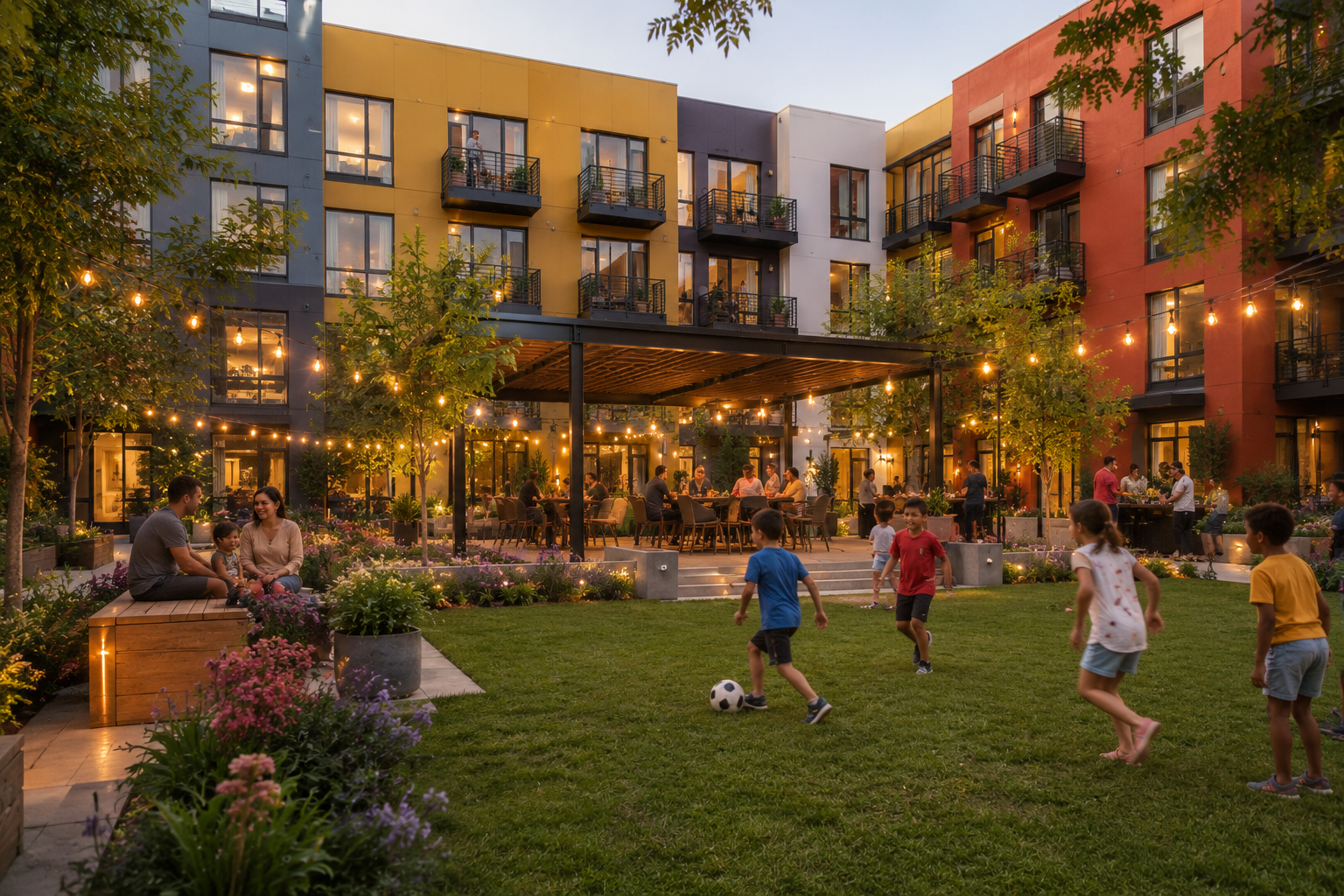
Healthcare offers one of the clearest examples of what it means to think as a community. Illness and injury can affect anyone, regardless of age, income, or circumstance. Rather than viewing healthcare solely as an individual responsibility, many societies have chosen to share both the costs and the benefits of caring for one another. By pooling resources across an entire population, communities can help ensure that everyone has access to essential medical care while reducing financial uncertainty for individuals and families.
A community-centered healthcare system is built on the idea that access to medical care should not depend entirely on an individual's ability to navigate an increasingly complex insurance market. When people contribute to a shared system, the financial risks of illness are distributed across society instead of being carried by those who happen to become sick. At the same time, communities can make long-term investments in hospitals, clinics, medical education, preventive care, and research that improve health outcomes for everyone.
We explore this concept in greater detail in Designing a Better Healthcare System: Lessons From Around the World, which examines how different countries have developed community-based approaches to healthcare and what lessons those systems may offer for the future. By looking beyond individual insurance coverage and considering healthcare as a shared public responsibility, the article demonstrates how communities can work together to build systems that provide greater access, long-term stability, and improved health outcomes for everyone.
Communities also come together by investing in the future they want to build. Roads, schools, libraries, parks, water systems, and other public infrastructure exist because previous generations recognized that some investments create value far beyond the individuals who pay for them. These projects often require resources beyond what any one person could provide, yet they become shared assets that strengthen entire communities for decades.
The same principle can apply to economic development. Communities can choose to invest collectively in affordable housing, transportation, energy systems, education, and other long-term projects that improve quality of life while supporting economic growth. Rather than focusing only on short-term returns, public investment allows communities to think in terms of decades, creating assets that continue serving future generations.
This broader philosophy is explored in our article on Building Public Wealth, which examines how public banks and community investment strategies could help finance projects that generate lasting public value. By viewing investment as a shared responsibility instead of an individual pursuit, communities can create stronger local economies while expanding opportunities for everyone who lives within them.
Community is not limited to public programs or government institutions. It can also shape how businesses are created and owned. Throughout history, cooperatives have demonstrated that people can come together to build successful enterprises while sharing both the responsibilities and the benefits of ownership. From agricultural cooperatives and credit unions to employee-owned companies and consumer co-ops, these organizations show that business can be driven by collaboration alongside traditional private ownership.
As new technologies make it easier for people to organize and collaborate, community-based businesses may play an even larger role in the future. Cooperatives provide one model for how people can pool resources, contribute ideas, and participate in building enterprises that reflect shared values and long-term goals. Whether creating local grocery stores, housing cooperatives, manufacturing businesses, or new technology companies, communities have the opportunity to become active participants in economic development rather than simply consumers within it.
Many of the challenges facing society today extend beyond any single individual, business, or institution. Affordable housing, healthcare, education, infrastructure, and economic opportunity all require cooperation between people who share a common interest in building stronger communities. While no single solution will address every challenge, communities become more resilient when people organize around shared goals instead of facing problems alone.
The New American Dream is not about replacing individual ambition—it is about recognizing that personal success and community success often reinforce one another. Strong communities create opportunities for individuals, and successful individuals help strengthen their communities in return. By encouraging collaboration through public investment, cooperative businesses, volunteer organizations, and local initiatives, we can build a future where prosperity is measured not only by what we achieve ourselves, but also by what we create together.
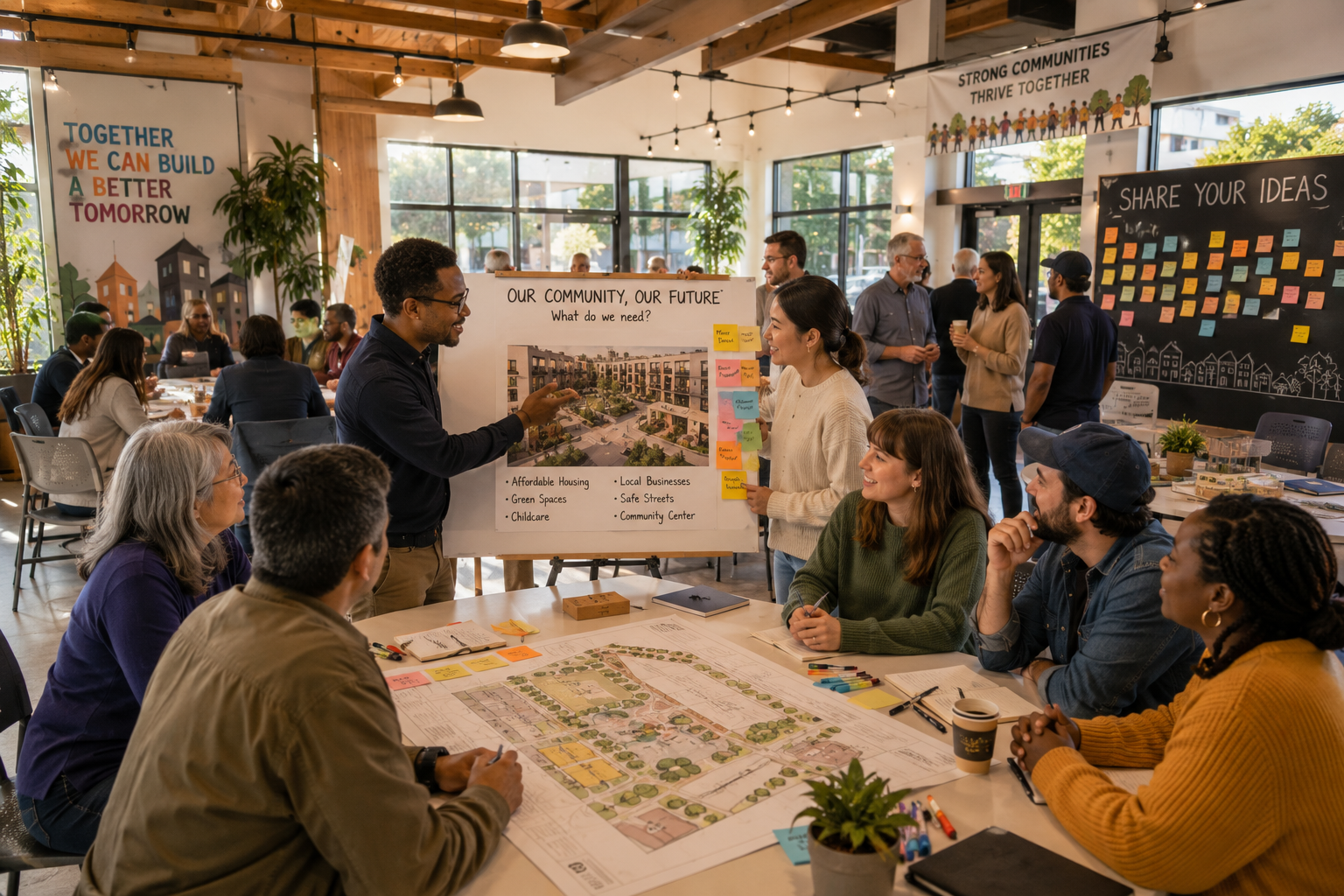
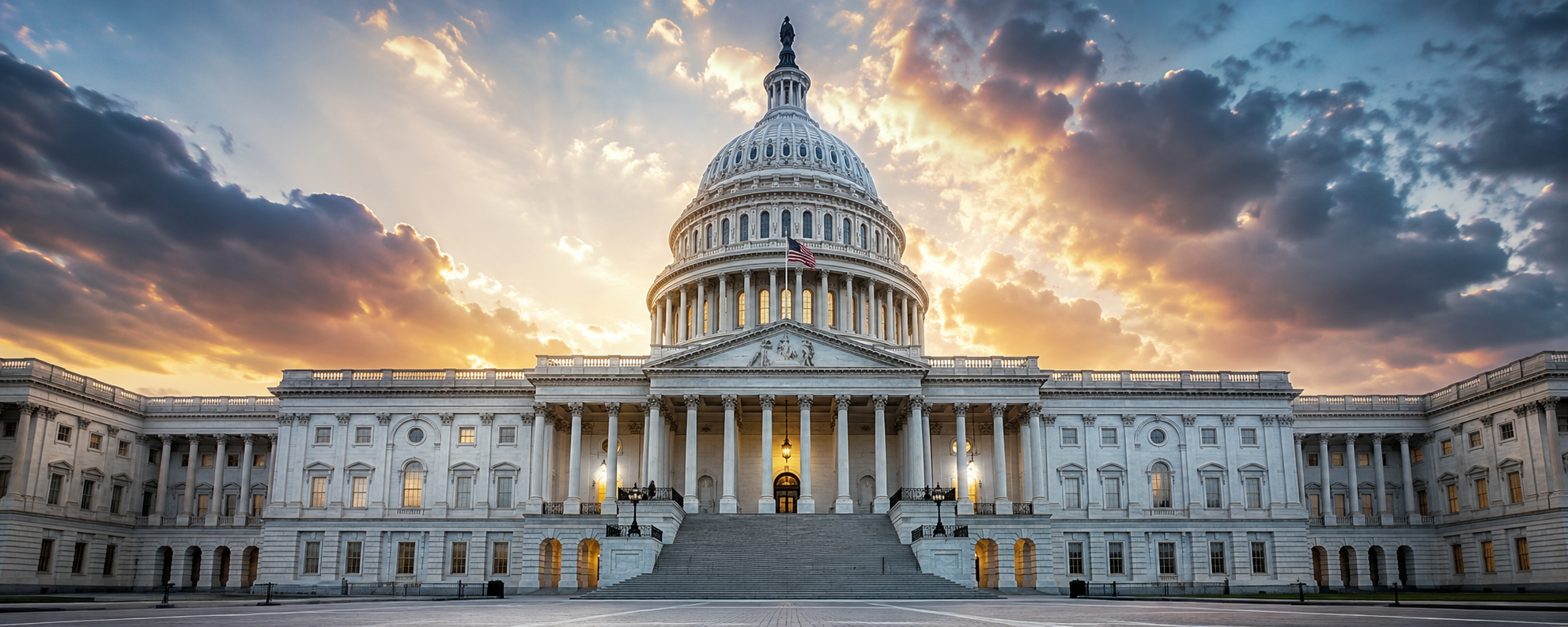
The idea of community extends beyond our neighborhoods and cities. As Americans, we also share a national community built around common institutions, shared values, and a belief that we can solve difficult problems together. While we may disagree on many issues, democracy works best when citizens remain engaged, participate in public life, and work toward reforms that strengthen the country for future generations. Building community at the national level means recognizing that our shared future depends not only on individual success, but also on the health and integrity of the institutions we all rely upon.
This spirit of civic participation reminds us that democracy is not something we simply inherit—it is something each generation has the opportunity to improve. By encouraging respectful dialogue, informed participation, and broad public engagement, communities can help shape policies that better reflect the needs and aspirations of the people they serve. A stronger national community begins with citizens who believe they have both the ability and the responsibility to help build a better future together.
One example of this philosophy in action is the Modern Federal Election Reform campaign. Rather than focusing on political parties or individual candidates, the campaign explores reforms designed to strengthen public confidence in the democratic process. Its primary proposals include publicly funded federal campaigns, congressional term limits, and a ban on congressional stock trading—ideas intended to encourage accountability, reduce conflicts of interest, and increase public trust in government.
Like every idea explored throughout Dream Cloud, this campaign begins with the belief that meaningful change is most likely when people come together around shared goals. Whether the issue is healthcare, public investment, cooperative businesses, or democratic reform, progress starts by building stronger communities. As the challenges we face become more complex, the New American Dream may ultimately be defined not only by what we accomplish individually, but by what we choose to build together.
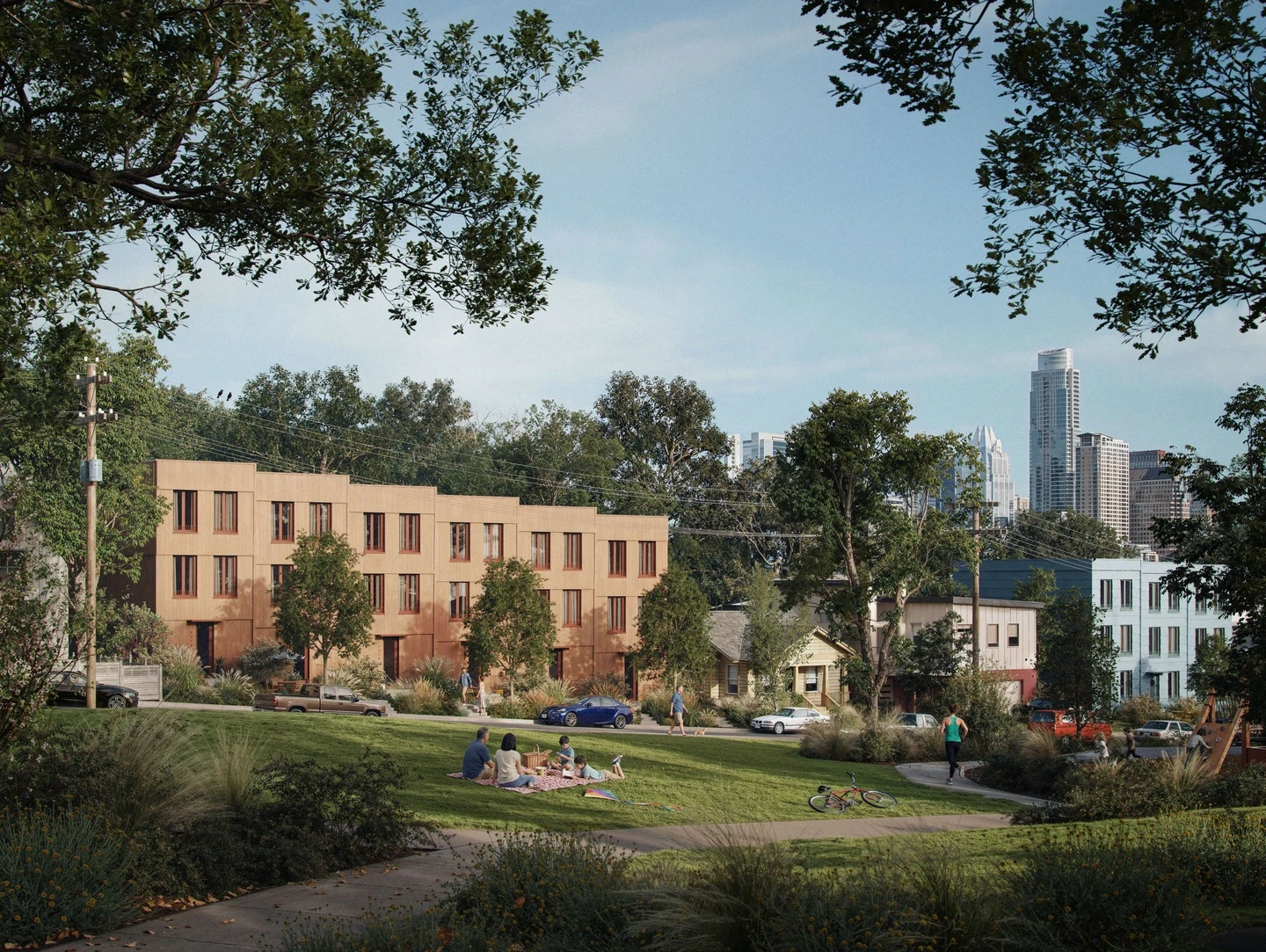
Exploring how modern construction methods and large-scale home building could help increase housing supply and improve affordability across the United States.
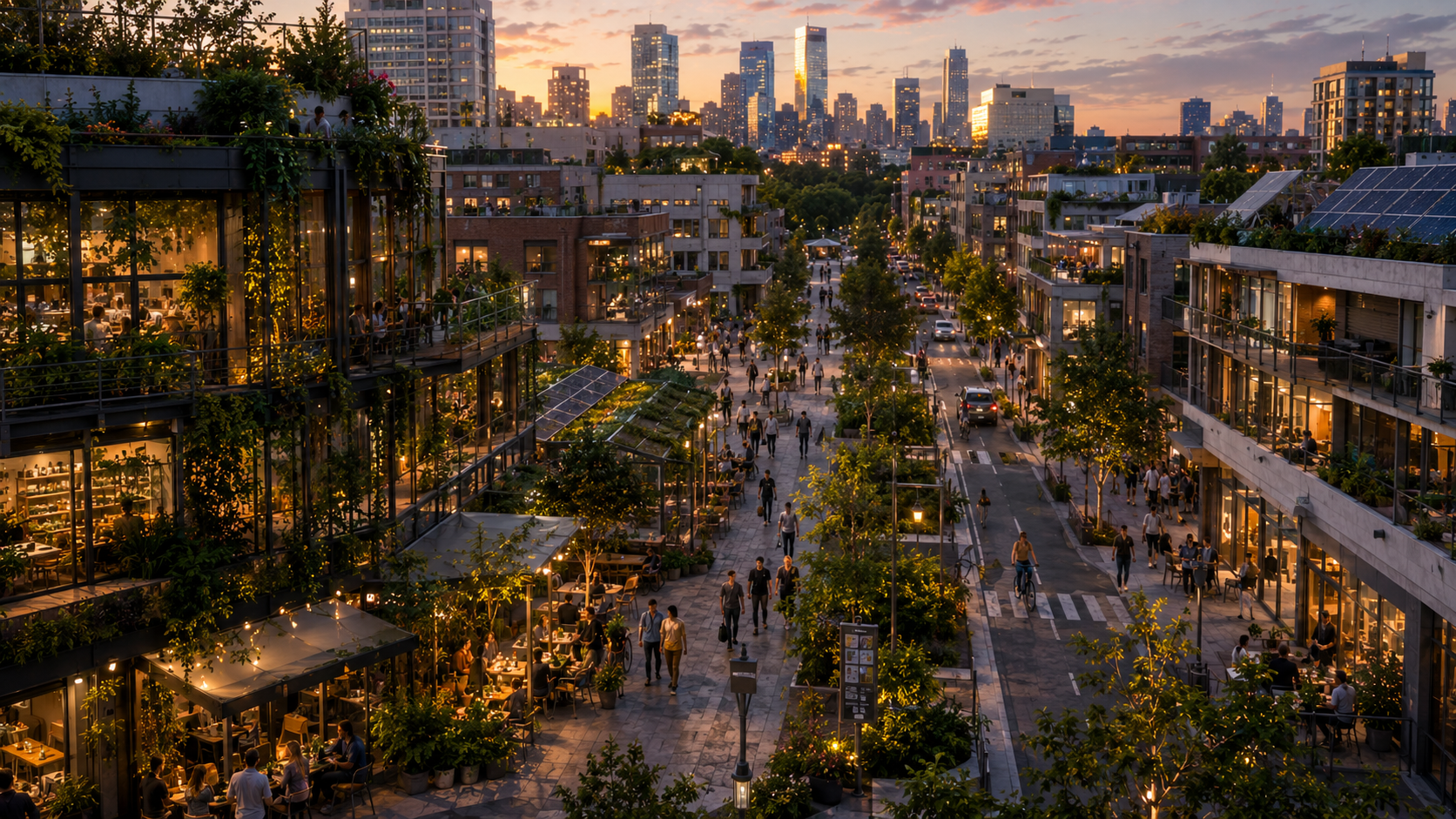
The world's biggest challenges cannot be solved by a single person, organization, or ideology. Dream Cloud exists to help people collaboratively design, test, improve, and support solutions in the open, creating a shared framework for building a better future together.
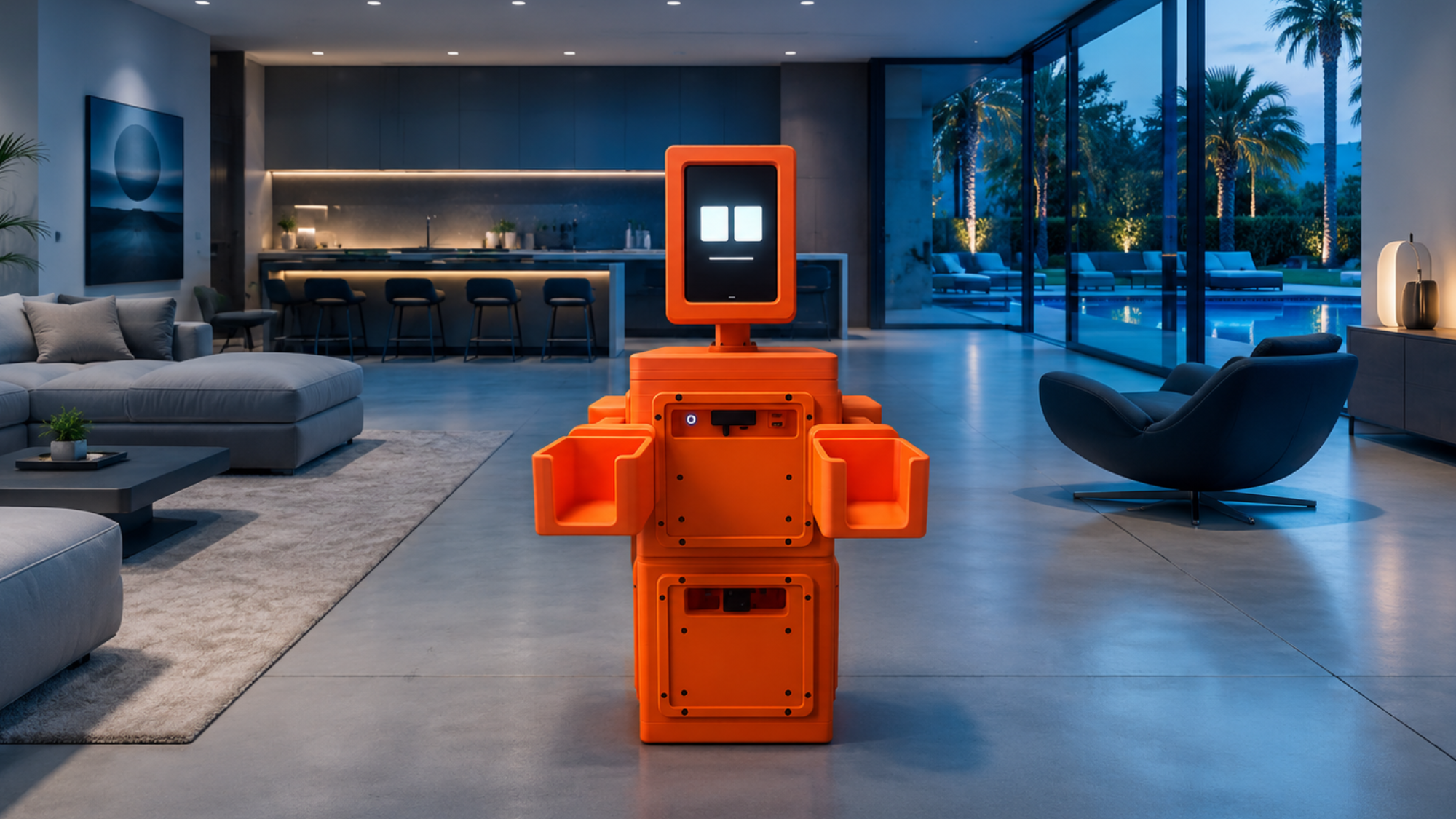
A fully open-source AI robot featuring natural conversation, autonomous navigation, computer vision, and a modular 3D-printed body.
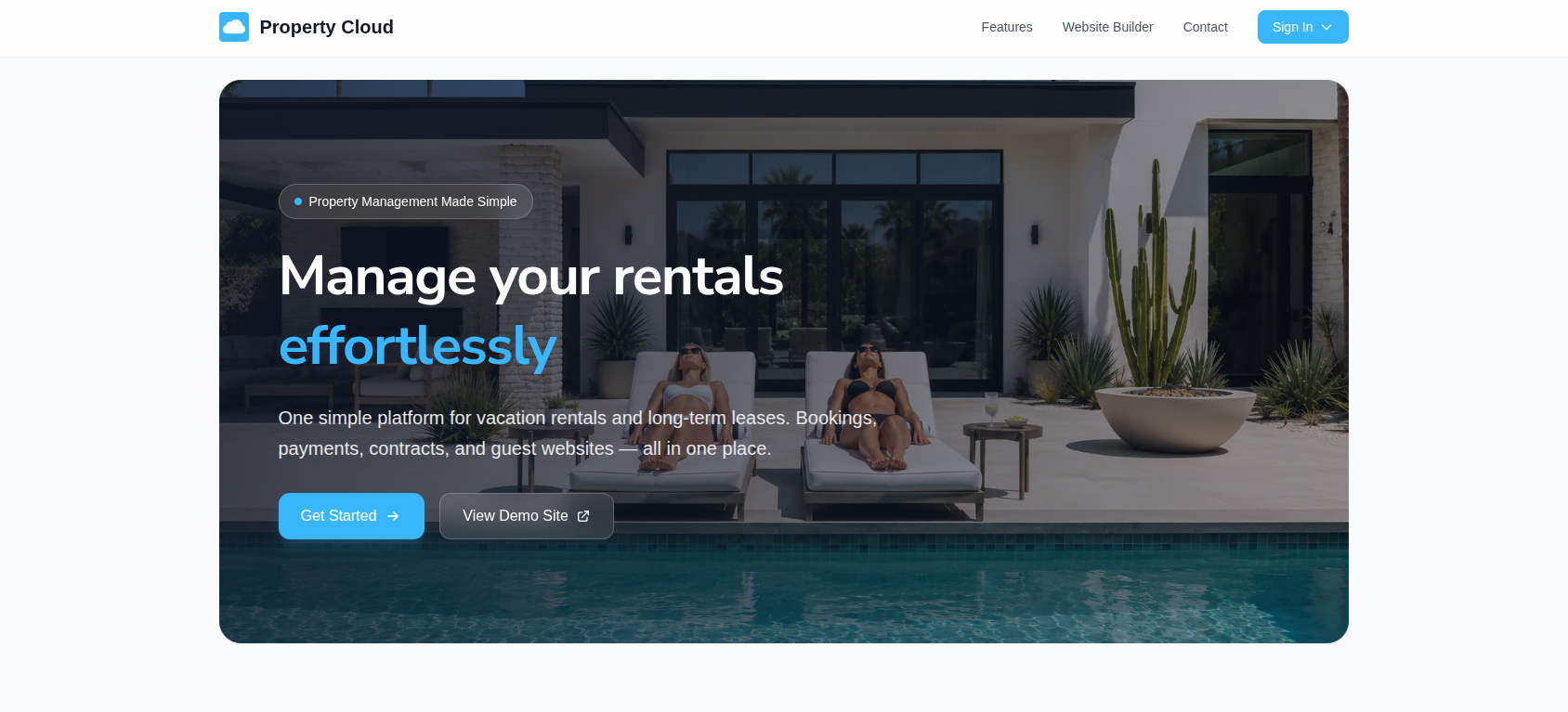
An all-in-one platform for managing properties, direct bookings, and guest experiences.