
Communitypost
The New American Dream: Community
As our challenges become more complex, our greatest strength may be our ability to solve them together.
390
The world's biggest challenges cannot be solved by a single person, organization, or ideology. Dream Cloud exists to help people collaboratively design, test, improve, and support solutions in the open, creating a shared framework for building a better future together.

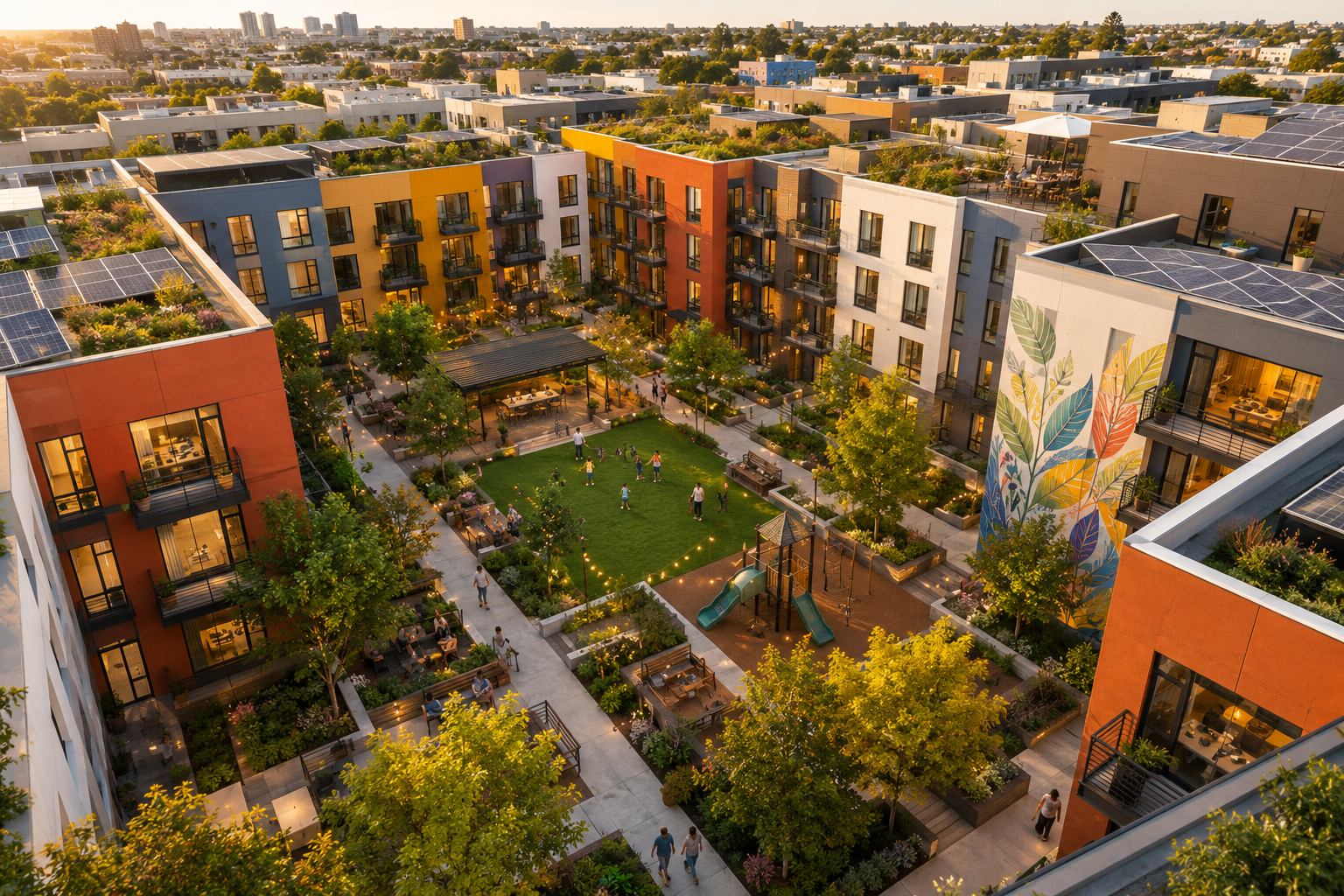
Urban design focused on walkability and community space
Creating a better world is not a job for one person, or even one organization. It requires billions of people working through thousands of organizations on millions of individual projects, all moving toward a shared vision of a better future. Every day, people around the world are working to solve problems, improve communities, advance research, start businesses, educate others, and support causes they believe in. The desire to create positive change is not rare. In many ways, it is one of humanity's most common motivations.
Yet despite the number of people working toward similar goals, progress often feels fragmented. Efforts are duplicated, knowledge is scattered, and communities struggle to build on the work that has already been done. We have countless people trying to solve problems, but very few systems that help them solve those problems together.
When we encounter large challenges, we often look for a single organization to lead the way. We expect governments, corporations, nonprofits, universities, or influential leaders to develop solutions and guide everyone else toward them. While these institutions play an important role, they all face the same limitation: no single organization possesses all the knowledge, resources, perspectives, or experience necessary to solve society's biggest problems on its own.
As organizations grow larger, coordination becomes more difficult. Decisions become slower. Competing priorities emerge. Innovation can be constrained by bureaucracy, politics, or financial pressures. The larger the mission, the harder it becomes for any centralized structure to effectively organize the people needed to achieve it.
The challenge is not finding better leaders. The challenge is finding better ways for people to collaborate.
This realization led me to ask a different question.
Instead of asking how one organization can solve a problem, what if we focused on creating a process that allows many people and organizations to contribute to the same solution?
What if researchers, professionals, community members, businesses, nonprofits, and policymakers could all participate in developing ideas without needing to work for the same institution?
What if solutions could evolve through open collaboration rather than closed decision-making?
Rather than concentrating authority, we could concentrate knowledge. Rather than relying on a small group of people to design solutions for everyone else, we could create systems that allow expertise and experience to emerge from wherever it exists.
Healthcare provides a useful example.
Most people agree that healthcare can be improved, yet discussions about healthcare often begin with political positions rather than collaborative design. People are asked to support or oppose proposals before they have had an opportunity to examine the assumptions, evidence, costs, and trade-offs behind them.
Imagine a different process.
Imagine a healthcare system designed openly and transparently. Every component of the system could be documented, debated, improved, and tested. Doctors could contribute clinical expertise. Nurses could identify operational challenges. Economists could analyze funding models. Researchers could review evidence. Patients could highlight barriers to access and quality of care.
Instead of defending positions, participants would work together to improve them. Weak ideas could be challenged. Strong ideas could be refined. Assumptions could be tested. Trade-offs could be made visible. The goal would not be to win an argument, but to create the best possible solution.
Before any proposal is implemented, it should be possible to understand how it works.
How much will it cost?
Who pays for it?
Who benefits?
What are the expected outcomes?
What evidence supports the proposal?
What are the risks?
These questions should not be hidden behind political messaging, corporate interests, or institutional authority. They should be openly available for anyone to examine.
When ideas are transparent, trust no longer depends on personalities or organizations. Trust can be built through evidence, accountability, and public participation. People are far more likely to support a solution when they understand how it works and have had the opportunity to contribute to its development.
Healthcare is only one example. The same collaborative process can be applied to education, housing, transportation, environmental challenges, economic development, community programs, and countless other areas.
The objective is not to create a platform that dictates answers. It is to create a framework that helps people discover better answers together.
Every project, proposal, campaign, and system can benefit from broader participation, greater transparency, and a more structured way to organize knowledge and collaboration.
That is why I started Dream Cloud.
Not because I believe I have the answers to society's biggest challenges, but because I believe no individual, organization, or institution does.
The future will be shaped by millions of people contributing their knowledge, skills, experiences, and ideas. The question is whether we can create better ways for those contributions to connect, evolve, and build upon one another.
Dream Cloud is an attempt to create that space. A place where ideas can become projects, projects can become systems, and systems can become movements. A place where people can collaborate across traditional boundaries, learn from one another, and work toward solutions that are stronger because they were built together.
Creating a better world is not the responsibility of one person. It is a shared effort. Dream Cloud exists to help make that effort possible.
As our challenges become more complex, our greatest strength may be our ability to solve them together.
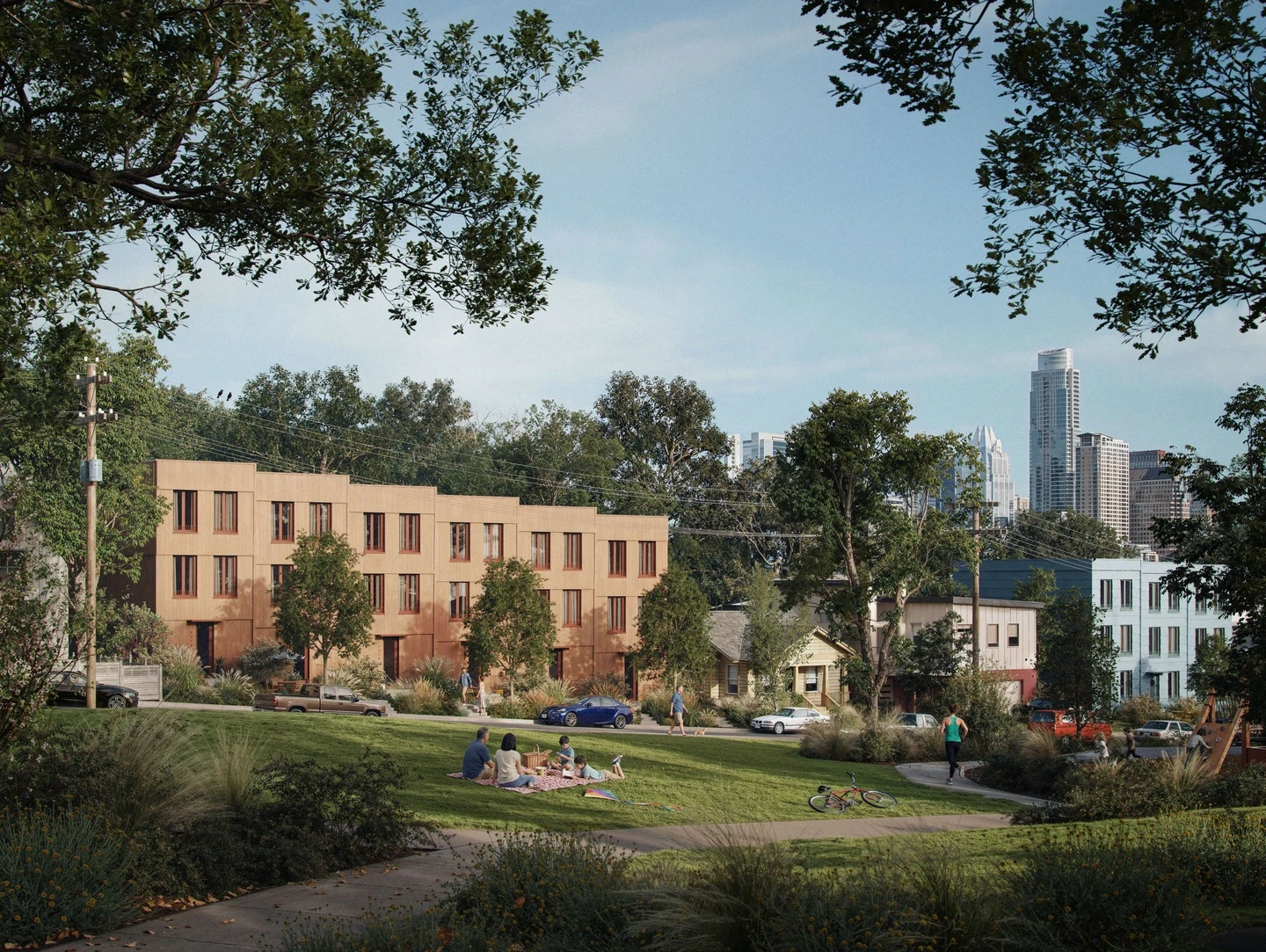
Exploring how modern construction methods and large-scale home building could help increase housing supply and improve affordability across the United States.
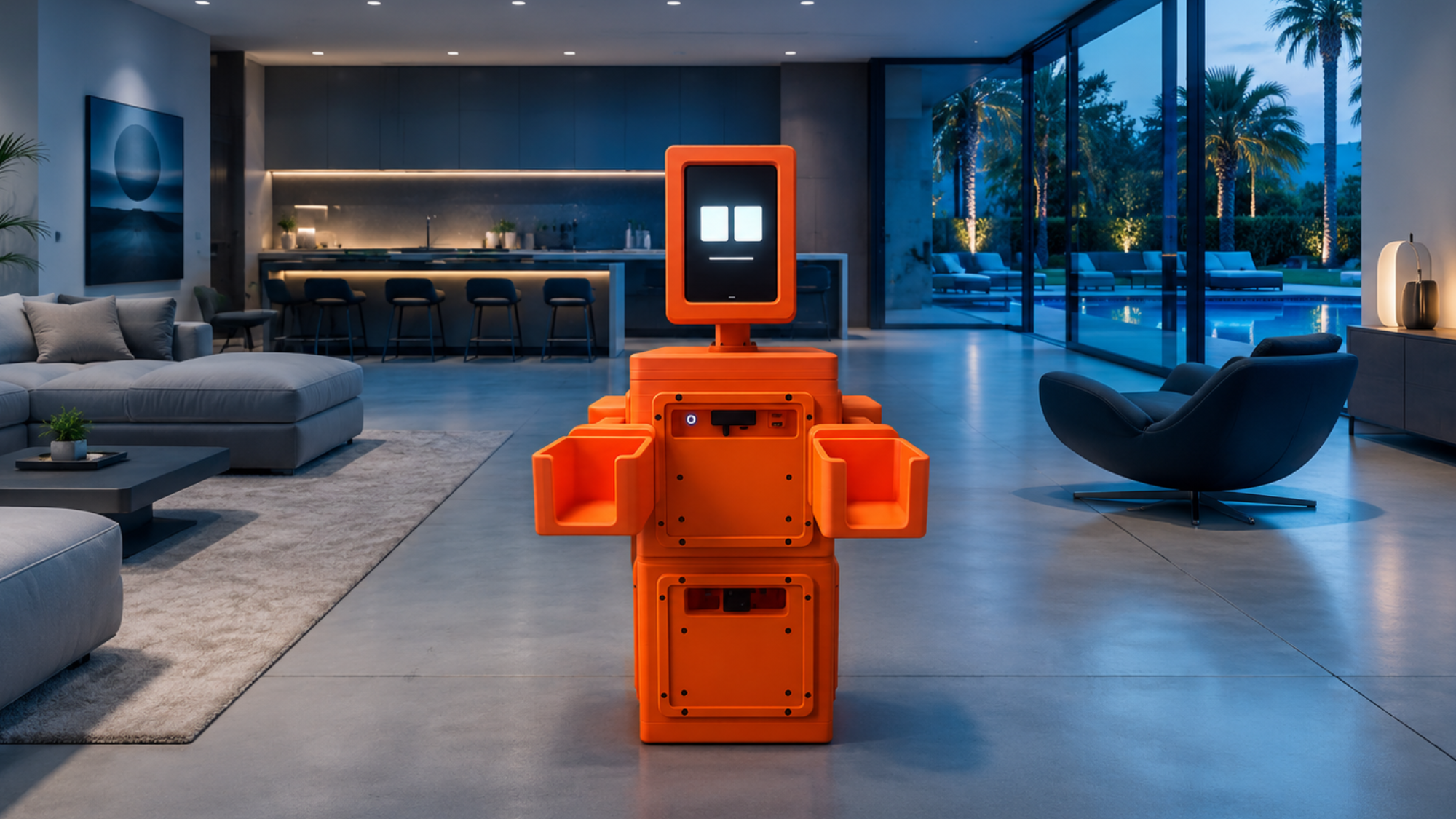
A fully open-source AI robot featuring natural conversation, autonomous navigation, computer vision, and a modular 3D-printed body.
An all-in-one platform for managing properties, direct bookings, and guest experiences.