Dream Cloud
PostRoboticsIndustrial

Chef Robotics: Automating High-Volume Food Production

Chef Robotics uses AI-powered robotic systems to automate food portioning and assembly, helping food manufacturers increase production, reduce labor costs, and improve consistency across high-volume operations.

Chef Robotics: Automating High-Volume Food Production

Chef Robotics assembles any food into any packaging container using AI vision models.

NNico AndrettiSep 8, 2026United States, North America

Automating Food Production

Food manufacturing still relies heavily on manual labor for repetitive tasks such as portioning ingredients and assembling prepared meals. These processes can require large production teams working continuously along conveyor lines to maintain the volume required by commercial food manufacturers.

Chef Robotics develops AI-powered robotic systems designed to automate these repetitive production tasks. The platform combines robotics, computer vision, and artificial intelligence to portion and assemble food at commercial scale while integrating into existing food production environments.

Flexible Robotics for Different Foods

Food has historically been difficult to automate because ingredients vary significantly in shape, texture, consistency, and portion size. Chef Robotics is designed to work with this variability, allowing the same robotic platform to handle a wide range of ingredients rather than requiring dedicated machinery for every product.

This flexibility allows food manufacturers to use robotic automation across different recipes and production runs. The system can be configured for prepared meals, frozen foods, meal kits, and other packaged food products, helping manufacturers increase production while reducing the amount of repetitive manual labor required on the assembly line.

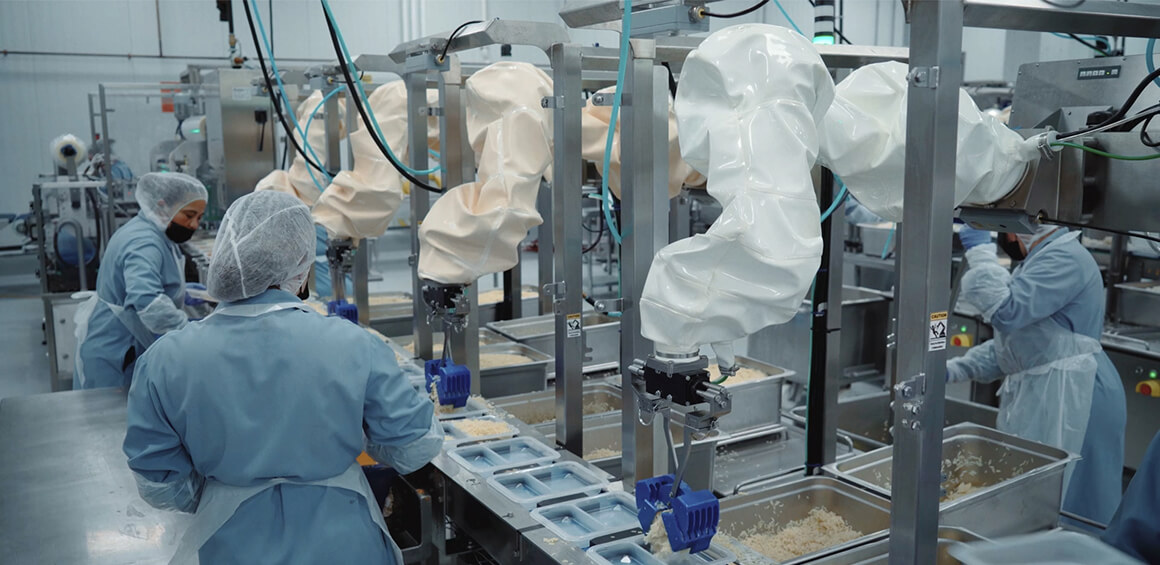
Chef robots working along side human food workers to provide automated portion control.

AI-Powered Portioning

Chef Robotics uses computer vision and artificial intelligence to identify, portion, and dispense different ingredients during food assembly. The system is designed to account for the natural variation found in food, allowing manufacturers to automate tasks that have traditionally been difficult for conventional industrial robots.

This can improve portion consistency while reducing overfilling and food giveaway across large production runs. At high production volumes, small improvements in portion accuracy can translate into meaningful reductions in ingredient costs and waste.

Flexible Production

The same robotic platform can be used across different recipes, ingredients, and production runs. Rather than building dedicated automation around a single product, manufacturers can configure Chef Robotics systems to work with foods ranging from grains and vegetables to proteins, sauces, and other prepared ingredients.

This flexibility is particularly valuable for manufacturers producing multiple products from the same facility. Production lines can adapt to changing menus and customer requirements while maintaining the benefits of automation across a broader range of products.

Robotics as a Service

Chef Robotics offers its systems through a Robotics-as-a-Service model, allowing food manufacturers to deploy automation without purchasing the robotic equipment outright. The service includes the robotic hardware and software along with ongoing support, maintenance, monitoring, and system improvements.

This model can make advanced automation more accessible while shifting the economics from a large upfront equipment investment toward an ongoing operating cost. Manufacturers can introduce robotic production capacity while Chef Robotics continues supporting the technology throughout its deployment.

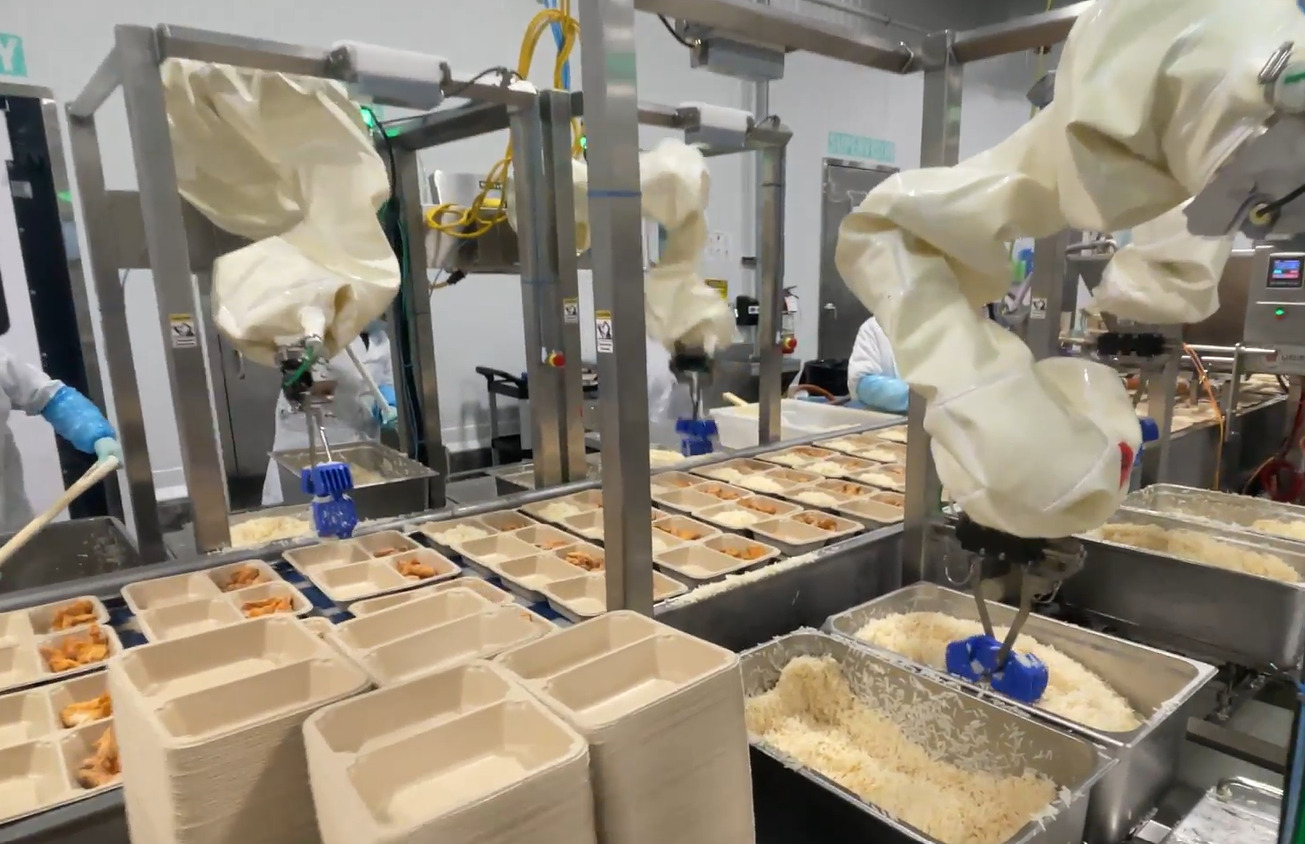
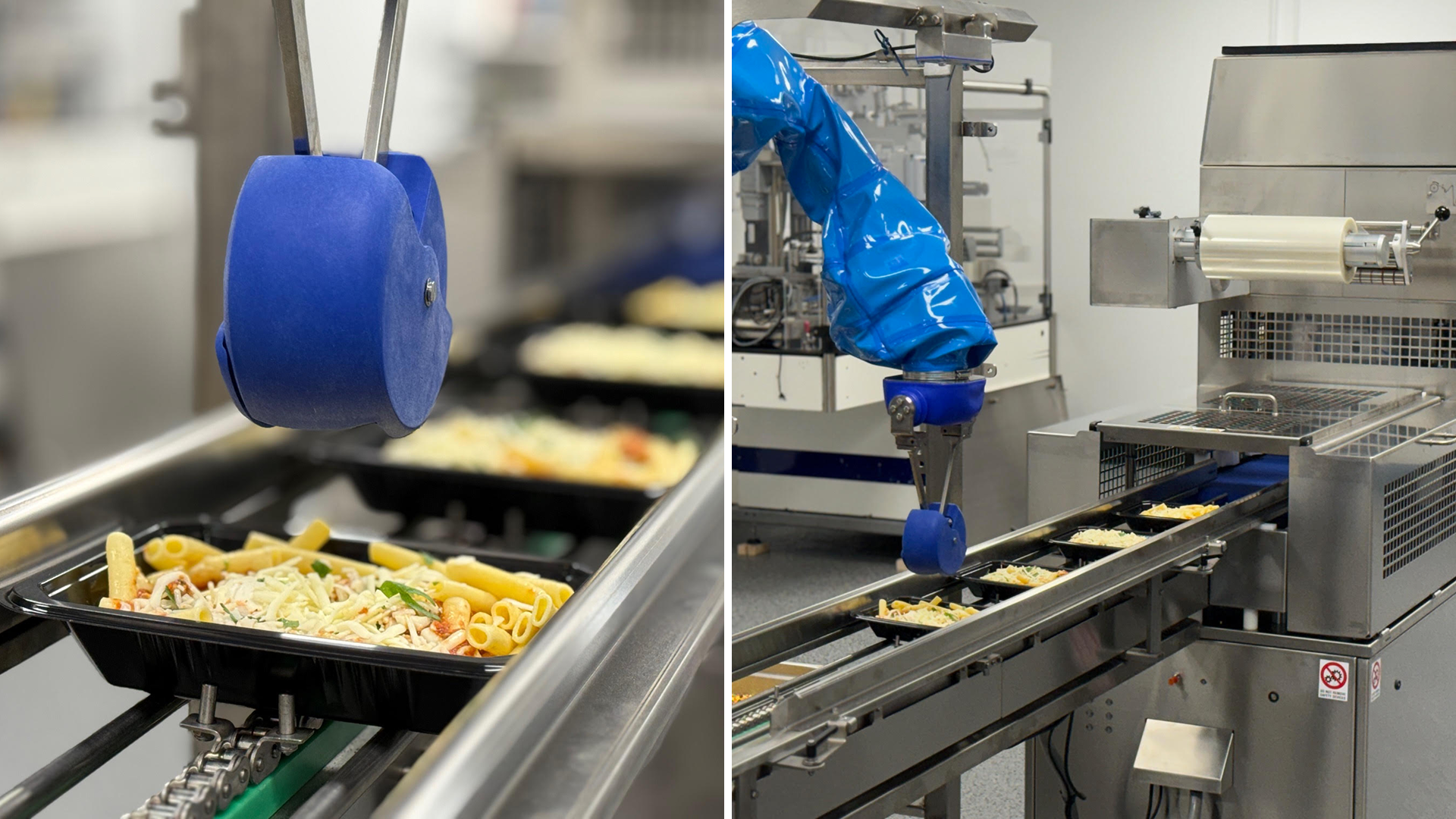
Chef robots deploying food portions into plastic containers on an assembly line.

Making Food Automation Practical

Chef Robotics is helping make robotic automation more practical for commercial food manufacturers by focusing on repetitive production tasks where automation can deliver measurable improvements. Its flexible approach allows manufacturers to increase throughput, improve portion consistency, and reduce the amount of manual labor required across food assembly lines.

As food manufacturers face rising labor costs and growing production demands, systems that can adapt across different ingredients and products could become an increasingly important part of modern food production. Chef Robotics provides a platform for introducing this automation into both existing production lines and new facilities.

Expanding the Role of Robotics in Food Production

The growing deployment of Chef Robotics demonstrates how robotics can move beyond highly specialized food equipment and become a more flexible part of commercial production. As these systems gain experience across more foods and production environments, they could support an increasingly wide range of prepared food applications.

This creates opportunities for food manufacturers to rethink how new production capacity is designed and how existing facilities can be automated over time. Flexible robotics can become one component of a larger automated production system that combines food preparation, assembly, packaging, inspection, and distribution.

Building the Robot Restaurant Lab

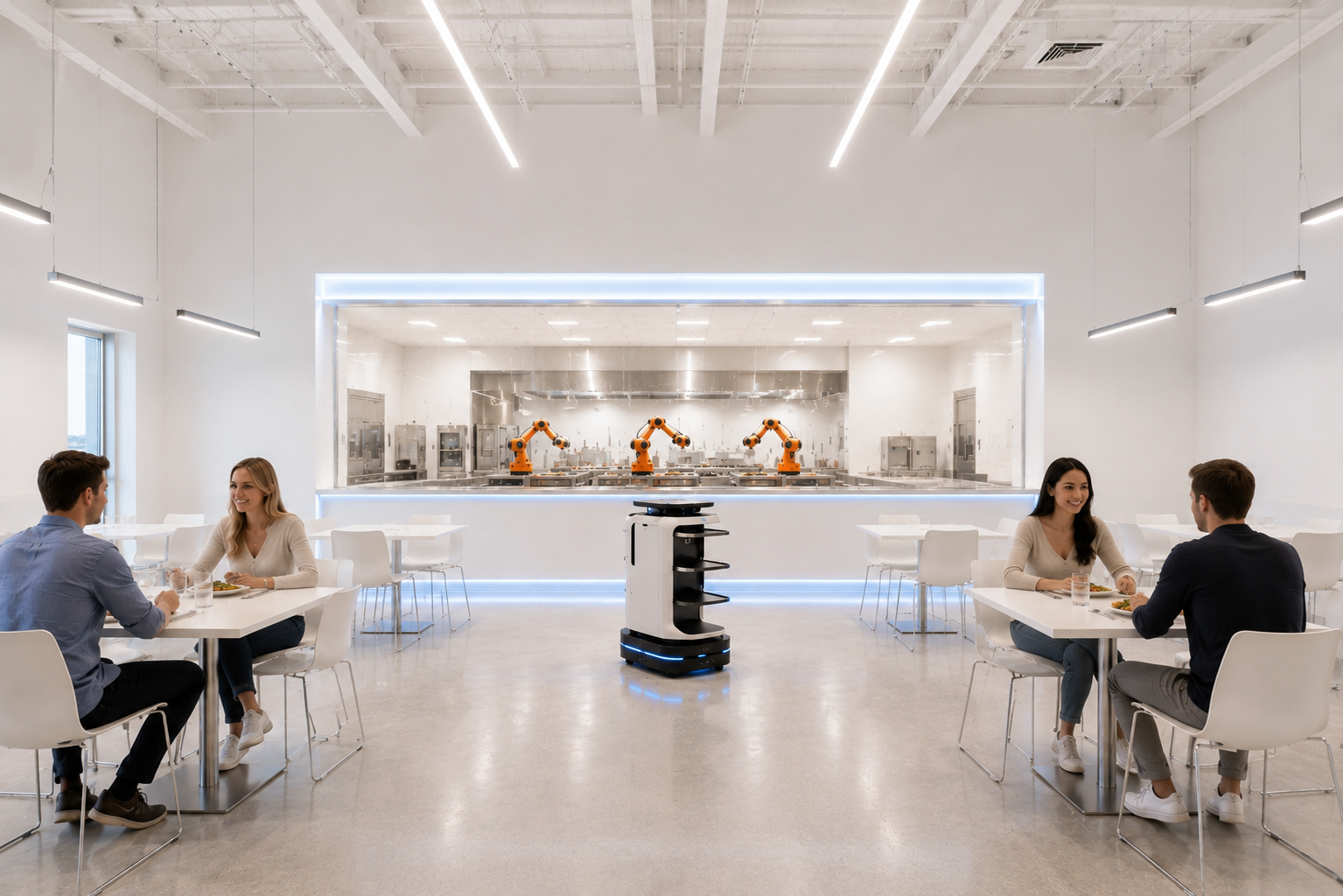
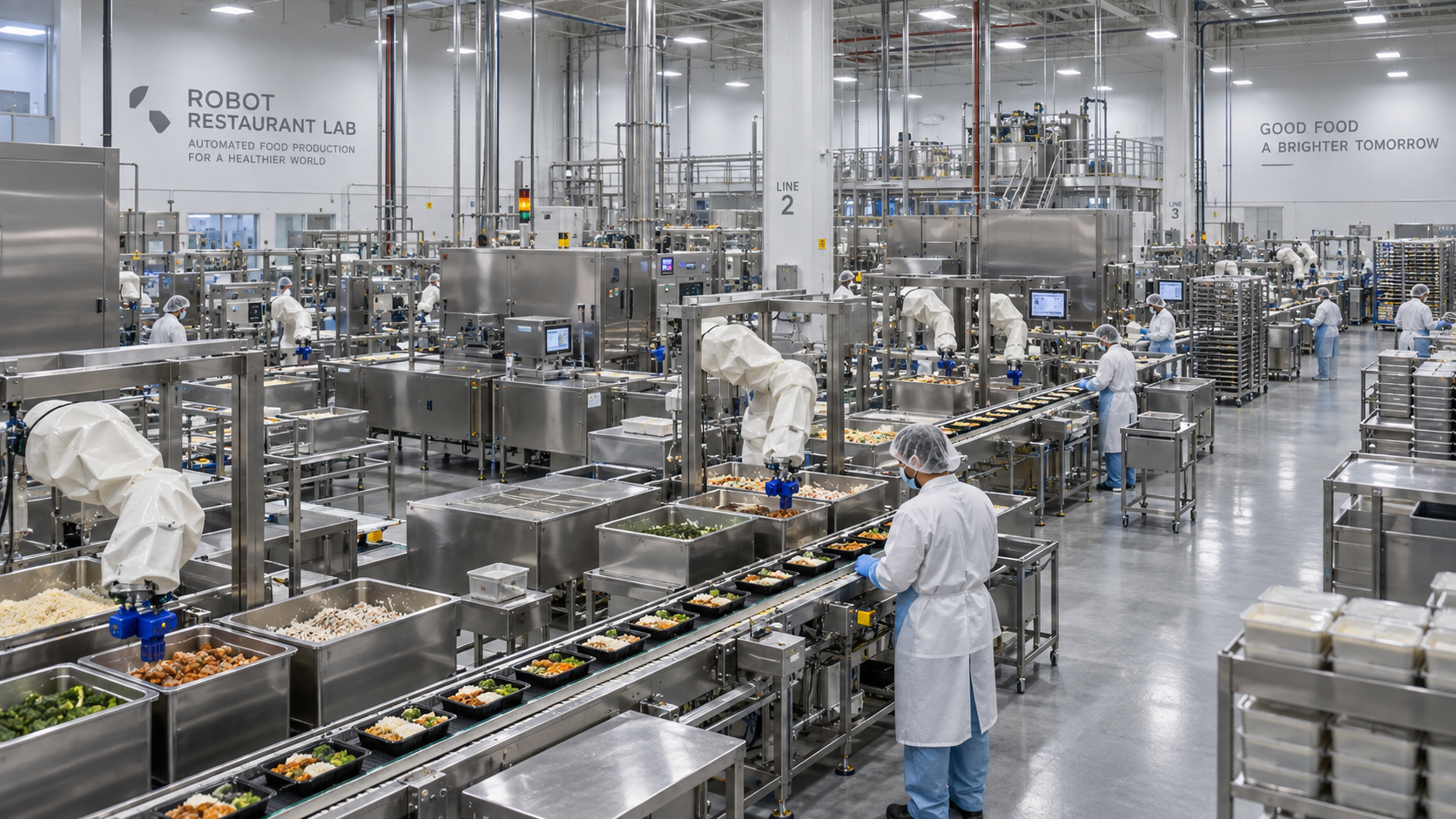
Dream Cloud is developing the Robot Restaurant Lab to explore how emerging food automation technologies can work together in a complete operating environment. The project brings together specialized systems for cooking, food assembly, beverages, cleaning, delivery, and other restaurant operations to understand how they can be integrated into a more automated food service platform.

Technologies such as Chef Robotics demonstrate how individual parts of food production can already be automated effectively. The Robot Restaurant Lab builds on these advances by exploring the connections between different systems and identifying the equipment, software, and workflows still needed to create more complete automated food service environments.

Bringing Food Automation Into the Real World

The Robot Restaurant Lab is designed as a platform for working with robotics companies, food technology providers, manufacturers, restaurant operators, and other partners interested in advancing food automation. By bringing existing technologies together, the project can provide a real-world environment for testing integrations, improving workflows, and developing new applications for robotic food systems.

Dream Cloud is exploring partnerships with companies developing technologies across the food service ecosystem and organizations interested in deploying more automated food operations. The goal is to help move emerging robotics technologies from individual solutions toward integrated systems that can operate at commercial scale.

Comments

Log in to leave a comment
No comments yet. Be the first to comment!