Building an Autonomous Restaurant Around Optimus
Tesla could combine existing automated food-production systems with Optimus to create a real-world environment where humanoid robots learn the physical tasks that connect an autonomous restaurant.
Building the integration layer that connects specialized food-service robotics into one modular, autonomous operating system.

Robots are becoming more useful in the hospitality industry.
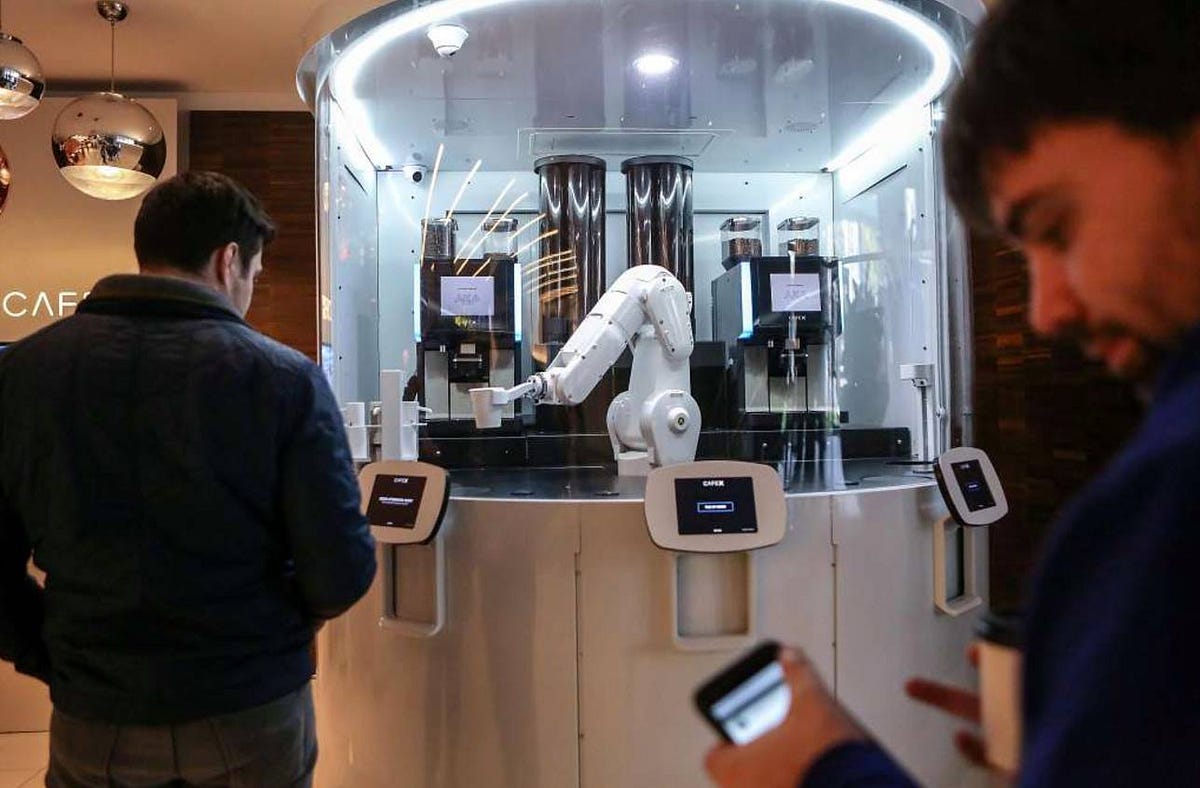
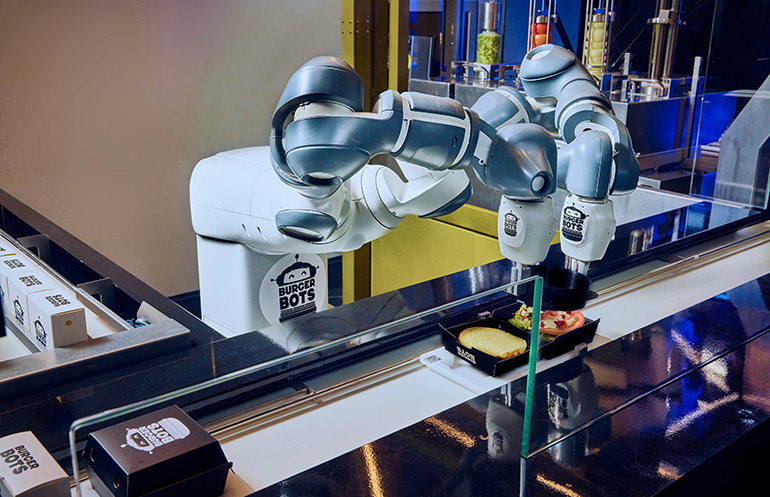
Many of the technologies needed to automate a restaurant already exist. Robotic systems can cook food, assemble meals, prepare beverages, transport orders, clean facilities, manage inventory, and automate customer ordering and checkout.
Across the industry, companies are developing increasingly capable solutions for individual parts of food service. Instead of rebuilding these technologies from scratch, the opportunity is to build on what already works.
The larger challenge is getting these technologies to operate together. Most restaurant automation has been developed as individual products, each designed to solve a specific task or workflow.
A more complete autonomous operation requires these systems to communicate and coordinate. Orders need to move from preparation to cooking, assembly, beverages, delivery, and cleaning while equipment, robots, inventory, and software respond to the same operational state. This integration layer is the missing piece.

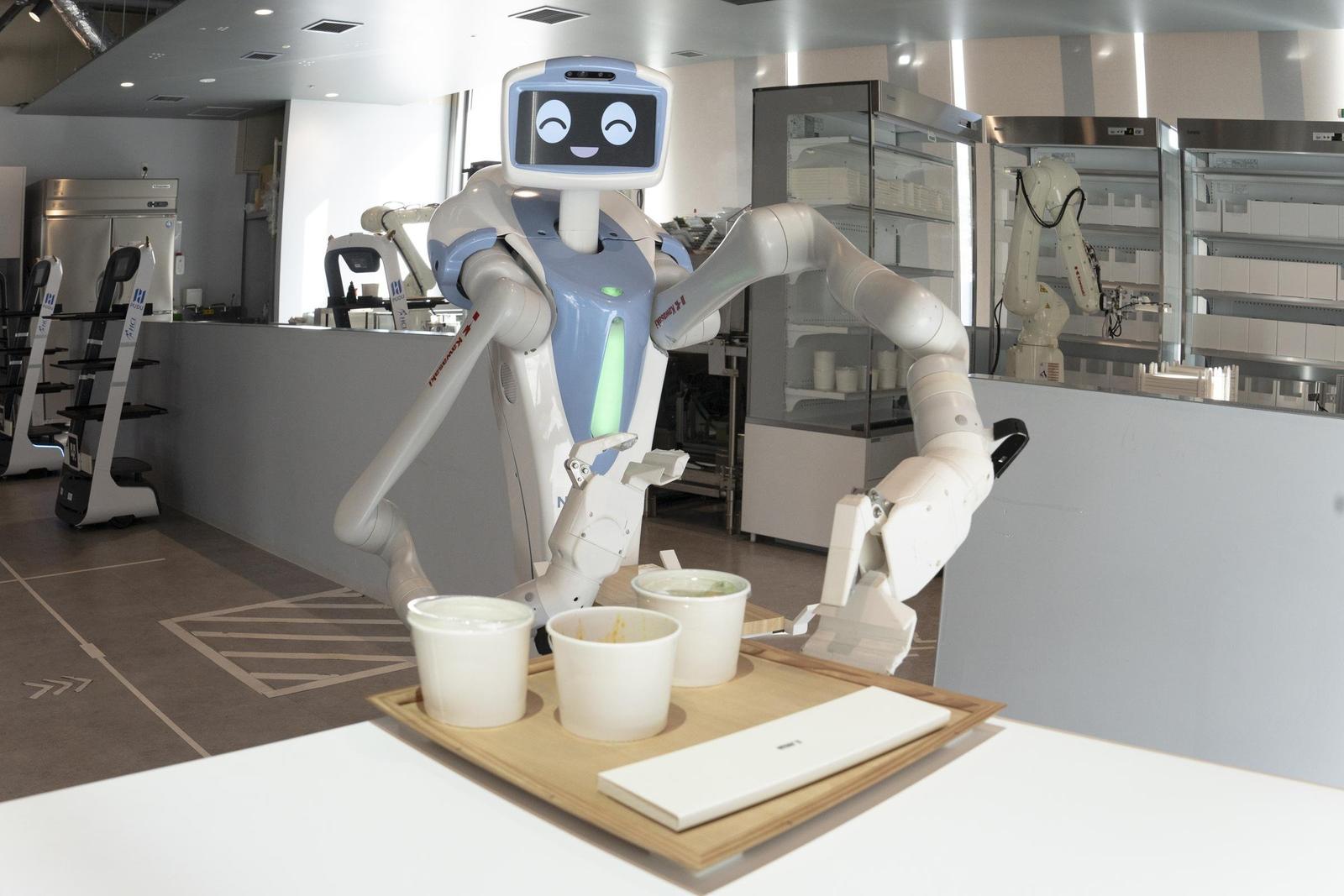
The goal is not to create a single automated restaurant configuration. Different food concepts require different combinations of cooking equipment, assembly systems, beverage automation, storage, mobile robots, and cleaning technologies.
A modular platform would allow these components to be added, replaced, and configured around the needs of each operator while remaining connected through a common integration layer. This creates a foundation that can support many different restaurant and food service concepts.
Connecting existing technologies will also reveal where automation still falls short. Systems may require new software interfaces, physical handoffs, robotic manipulation capabilities, sensors, or entirely new pieces of equipment to complete a workflow.
These gaps become development opportunities. Instead of deciding what robot to build first, new technology can be developed in response to specific problems discovered while integrating and operating the complete system.

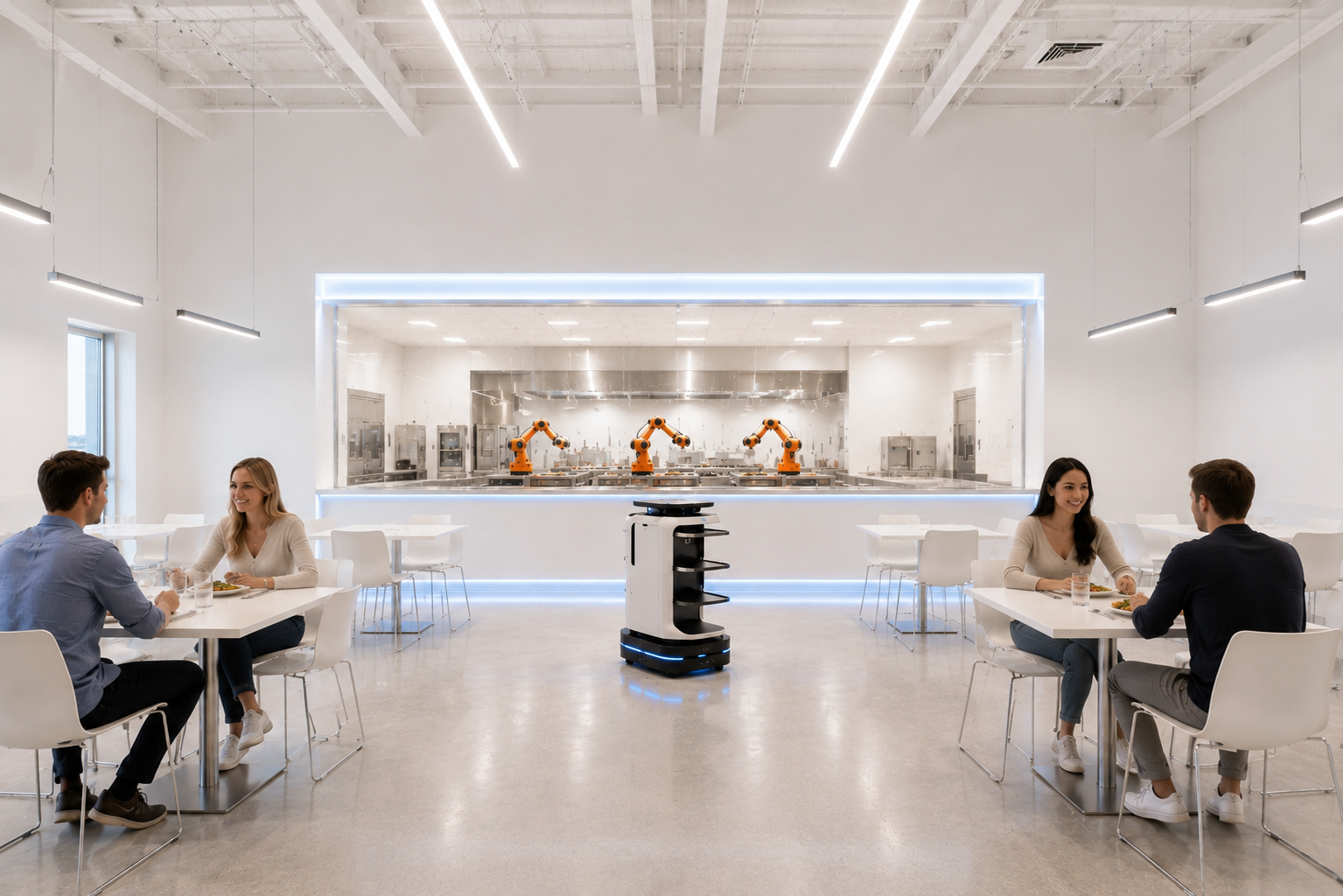
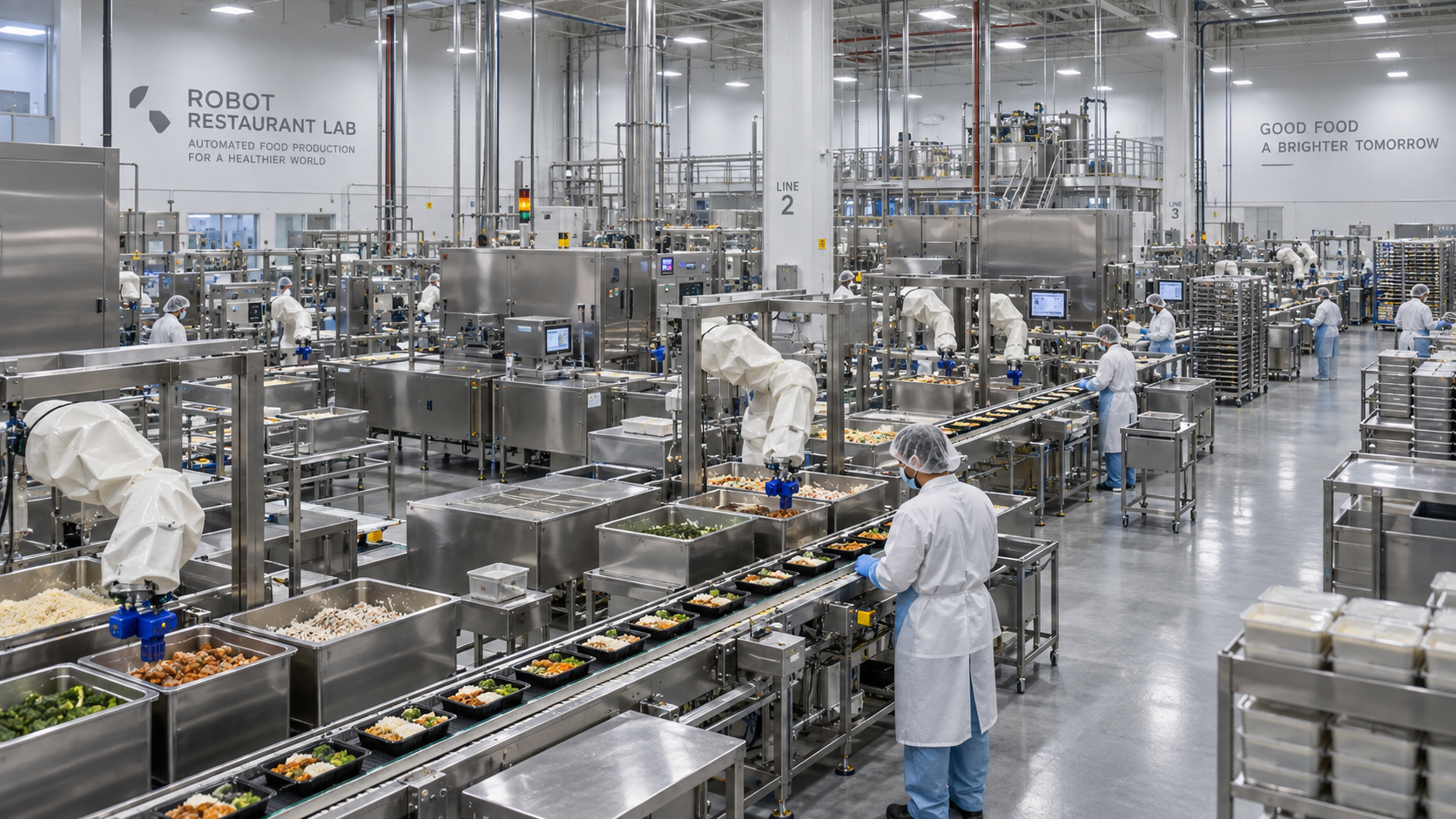
Robot Restaurant Lab provides an environment where food service operators, robotics companies, and automation technologies can come together to test complete workflows. Systems can be evaluated not only on how well they perform individually, but on how reliably they operate together.
A real-world environment also makes it possible to study throughput, handoffs, failures, maintenance, customer interactions, and other operational challenges that are difficult to understand through isolated demonstrations.
The goal of the Lab is to turn successful integrations into repeatable systems that can move beyond the test environment. Proven combinations of technologies can be adapted to different menus, workflows, locations, and operating requirements.
By developing the integration layer alongside real operators and technology partners, Robot Restaurant Lab can help move food service automation from individual robotic products toward complete, deployable systems.

Tesla could combine existing automated food-production systems with Optimus to create a real-world environment where humanoid robots learn the physical tasks that connect an autonomous restaurant.

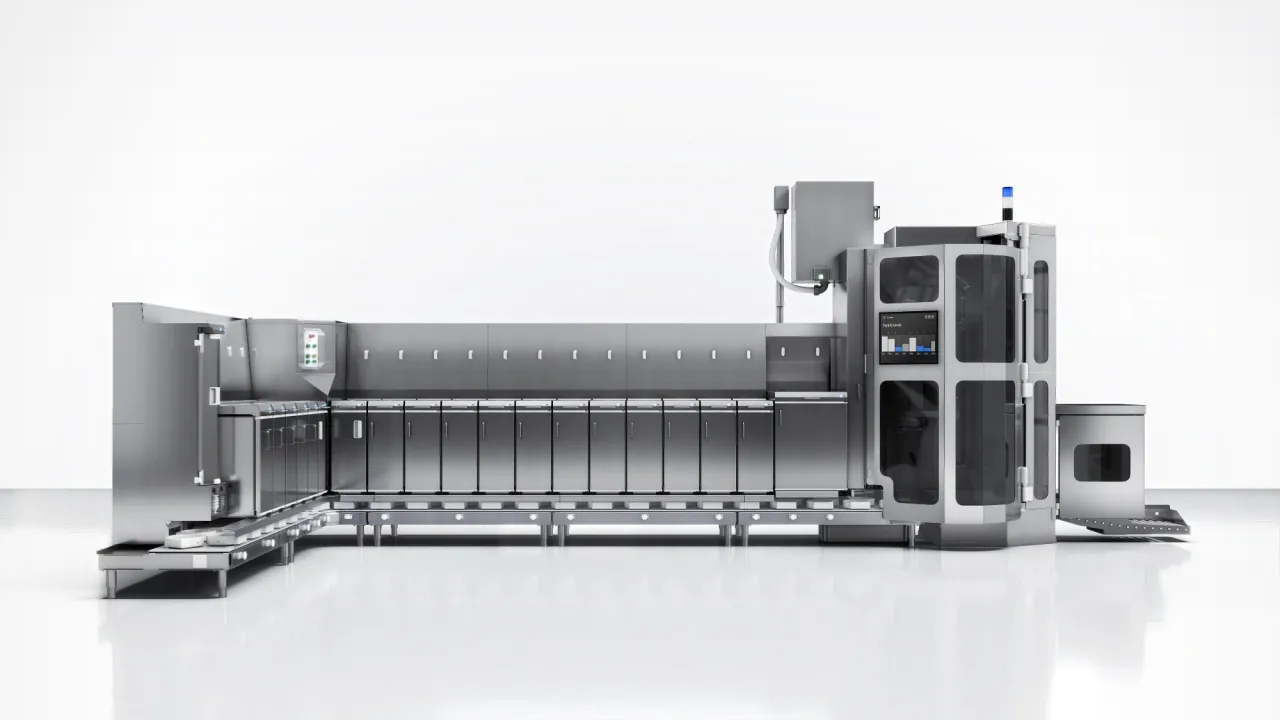
An autonomous food production system that stores ingredients, prepares and cooks meals, and serves customers from one compact robotic kitchen.

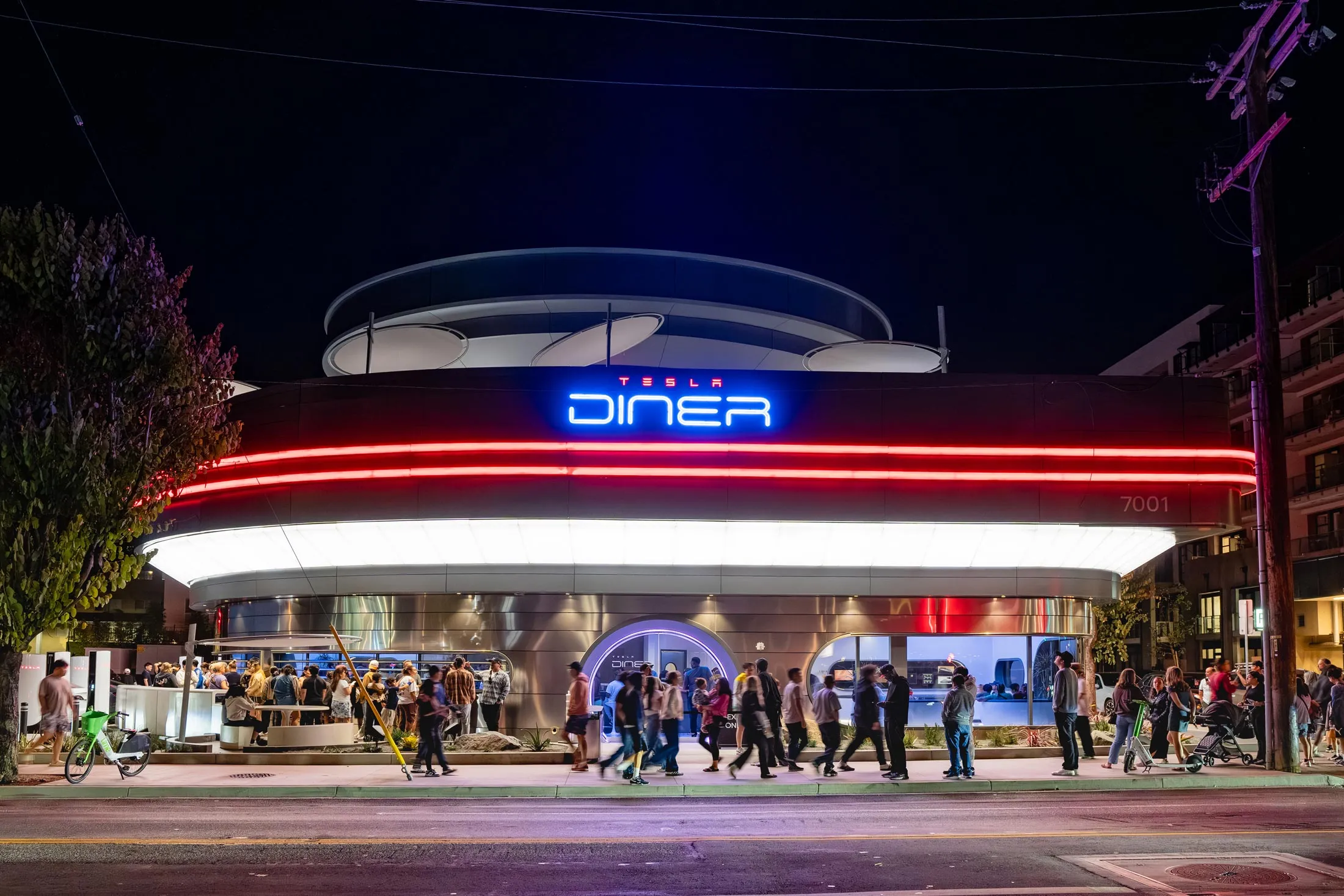
A real-world restaurant and social space bringing food automation, specialized robotics, and general-purpose robots together to develop, test, and improve the systems required for increasingly autonomous restaurant operations.

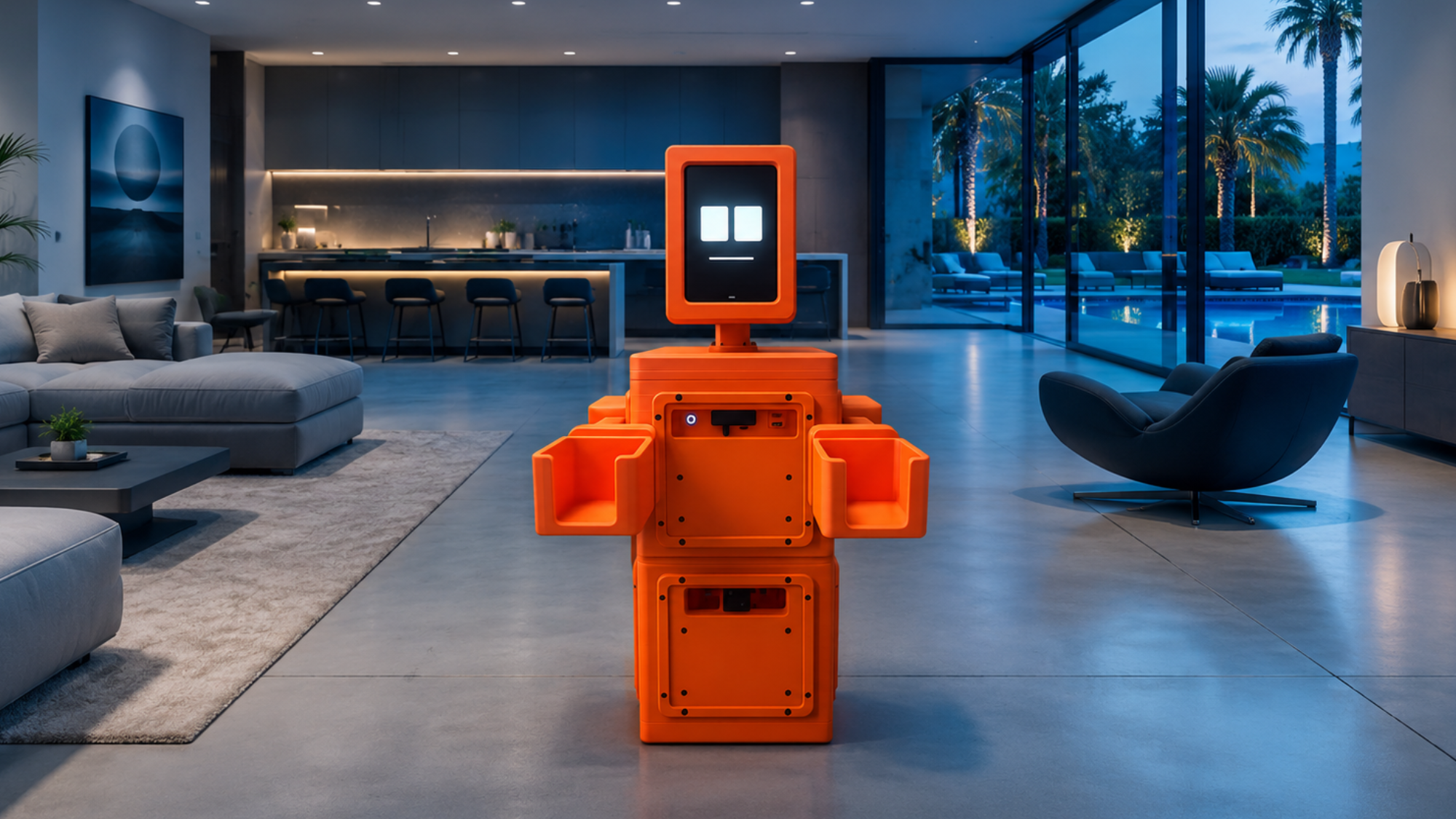
A fully open-source AI robot featuring natural conversation, autonomous navigation, computer vision, and a modular 3D-printed body.