Dream Cloud
PostRoboticsHumanoid

Building an Autonomous Restaurant Around Optimus

Tesla could combine existing automated food-production systems with Optimus to create a real-world environment where humanoid robots learn the physical tasks that connect an autonomous restaurant.

Building an Autonomous Restaurant Around Optimus

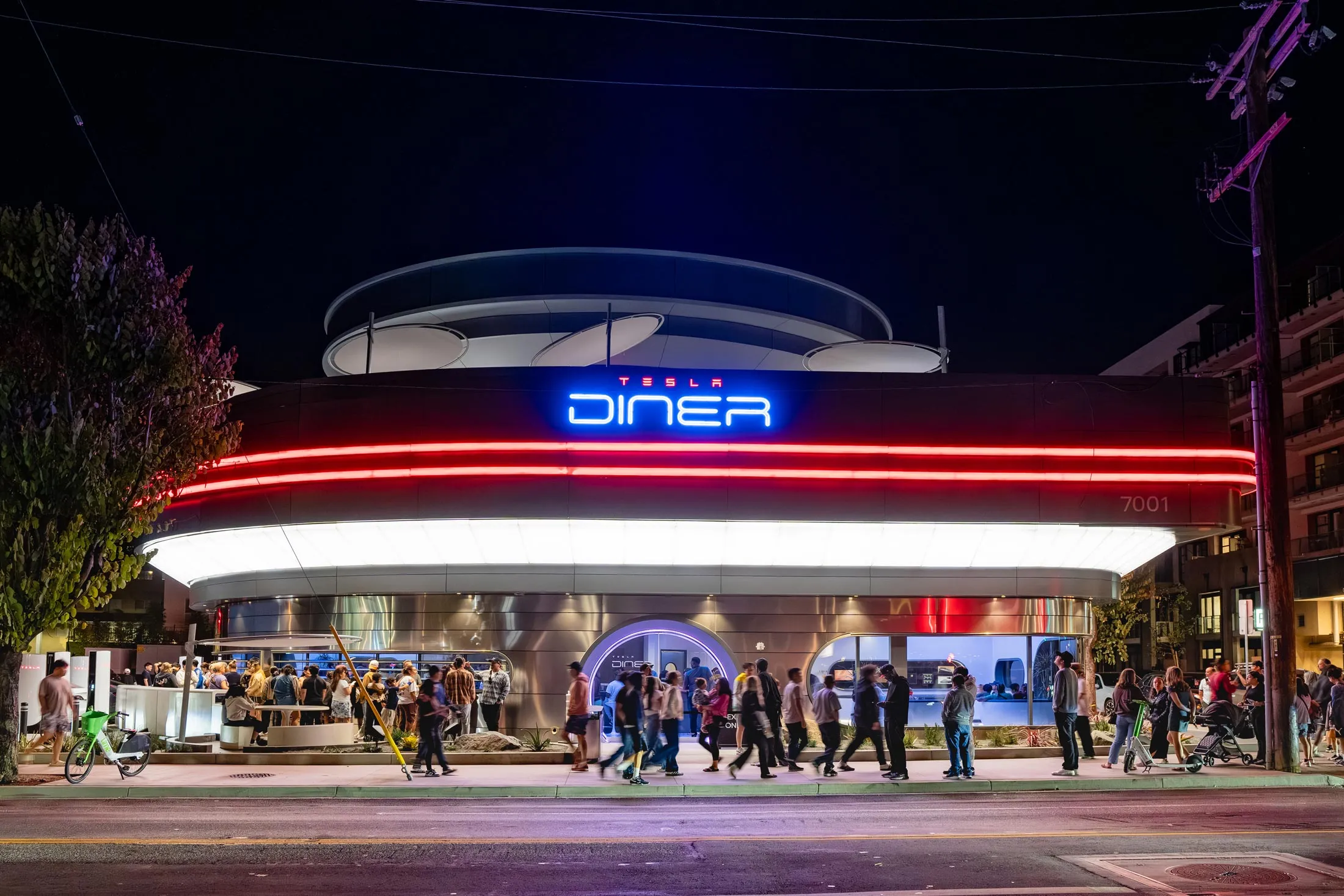
Interior view of the Tesla Diner in Los Angeles.

NNico AndrettiAug 27, 2026United States, North America

Turning Tesla Diner Into an Optimus Training Lab

Tesla Diner could become more than a restaurant and showcase for Optimus. It could provide a real operating environment where Tesla’s humanoid robot learns useful, repetitive tasks while working alongside technologies that are already automating parts of food service.

Rather than waiting for Optimus to learn every process performed by a restaurant employee, the Diner could be designed around the strengths of both specialized automation and general-purpose robotics. Optimus could focus on the physical tasks that remain between automated systems, creating a continuous environment for training, testing, and improving its capabilities.

Building Around Stationary Automation

Many restaurant processes are better suited to purpose-built stationary equipment than a humanoid robot. Cooking burgers, operating fryers, dispensing ingredients, and assembling pizzas are repetitive workflows where specialized machines can provide speed, consistency, and predictable handoff points.

Optimus could operate around these automated stations, replenishing ingredients, loading and unloading supplies, transferring completed food, consolidating orders, cleaning work areas, and responding to exceptions. The stationary systems provide structure while Optimus learns the more variable tasks required to connect them into a complete restaurant operation.

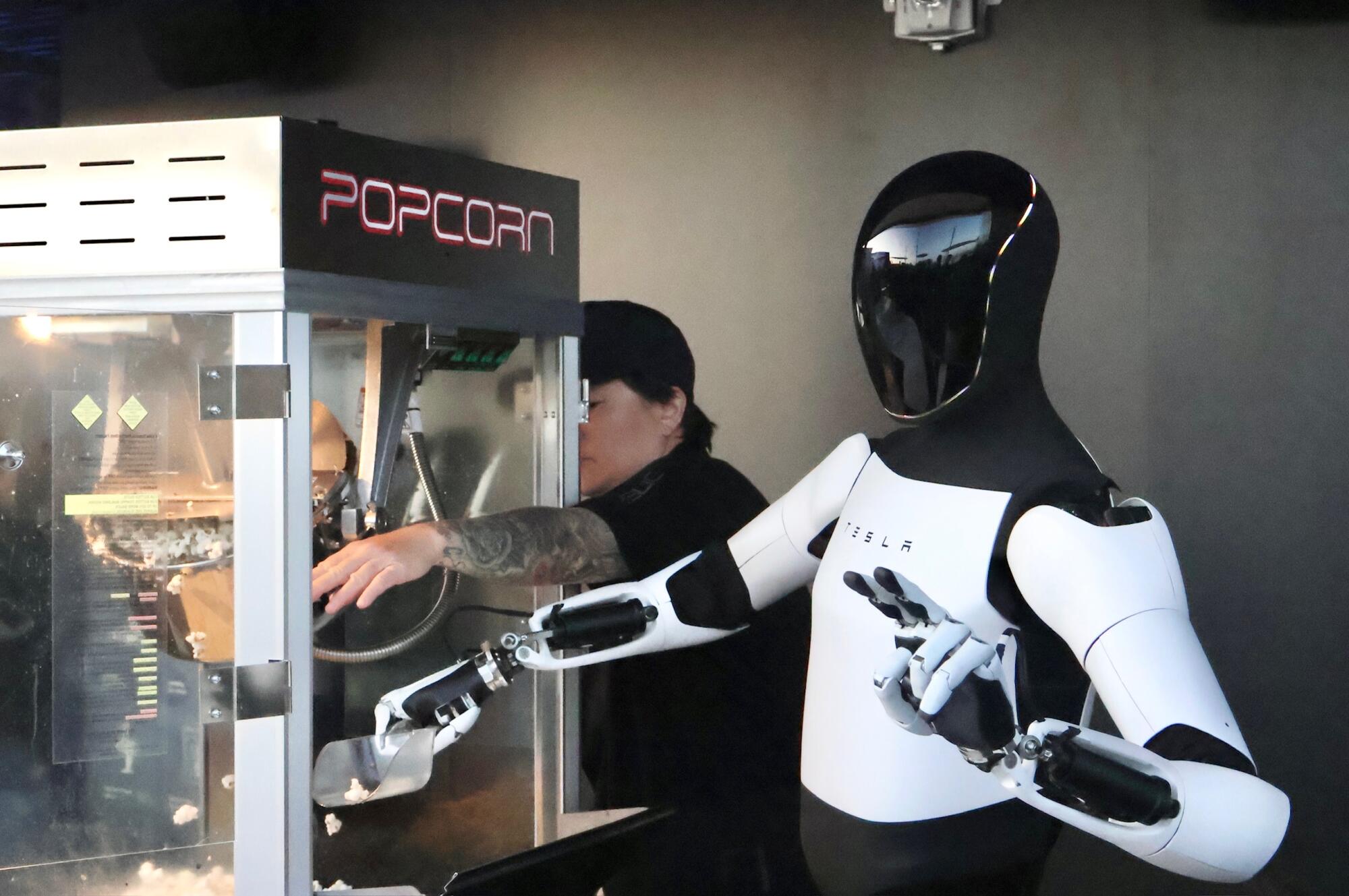
Optimus robot serving popcorn at the Tesla Diner.

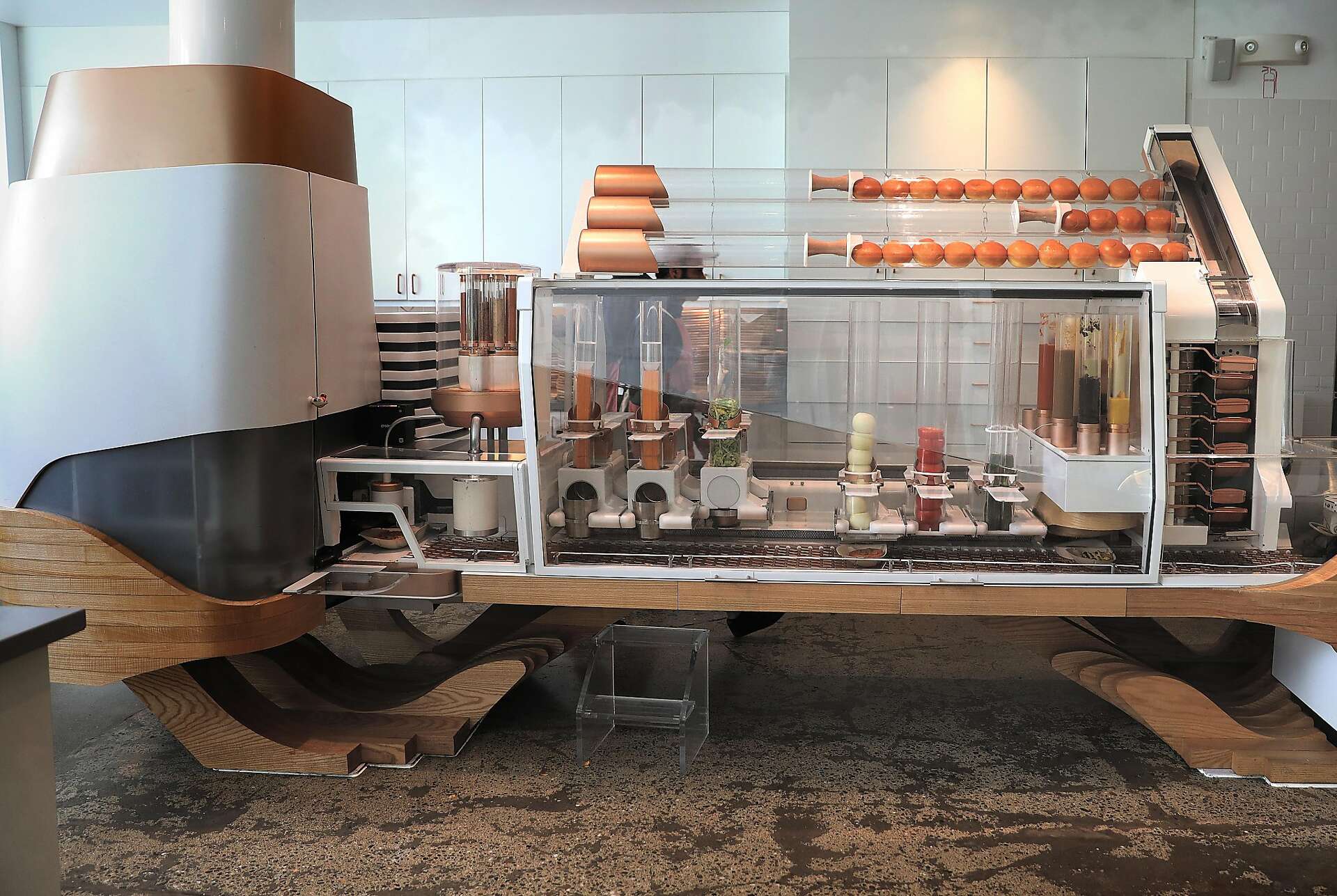
Creator — Automated Burger Production

Creator demonstrates how burger production can be redesigned around purpose-built automation rather than requiring a robot to imitate a line cook. Its system was developed to automate the burger-making process from fresh ingredients through patty cooking and assembly, turning one of the Diner’s core menu items into a structured production workflow.

Optimus could operate around the Creator system rather than cooking burgers itself. It could replenish ingredients and packaging, move supplies into position, retrieve completed burgers, handle transfers to order consolidation, and respond when the automated process requires human-like manipulation or intervention.

Flippy — Automated Frying

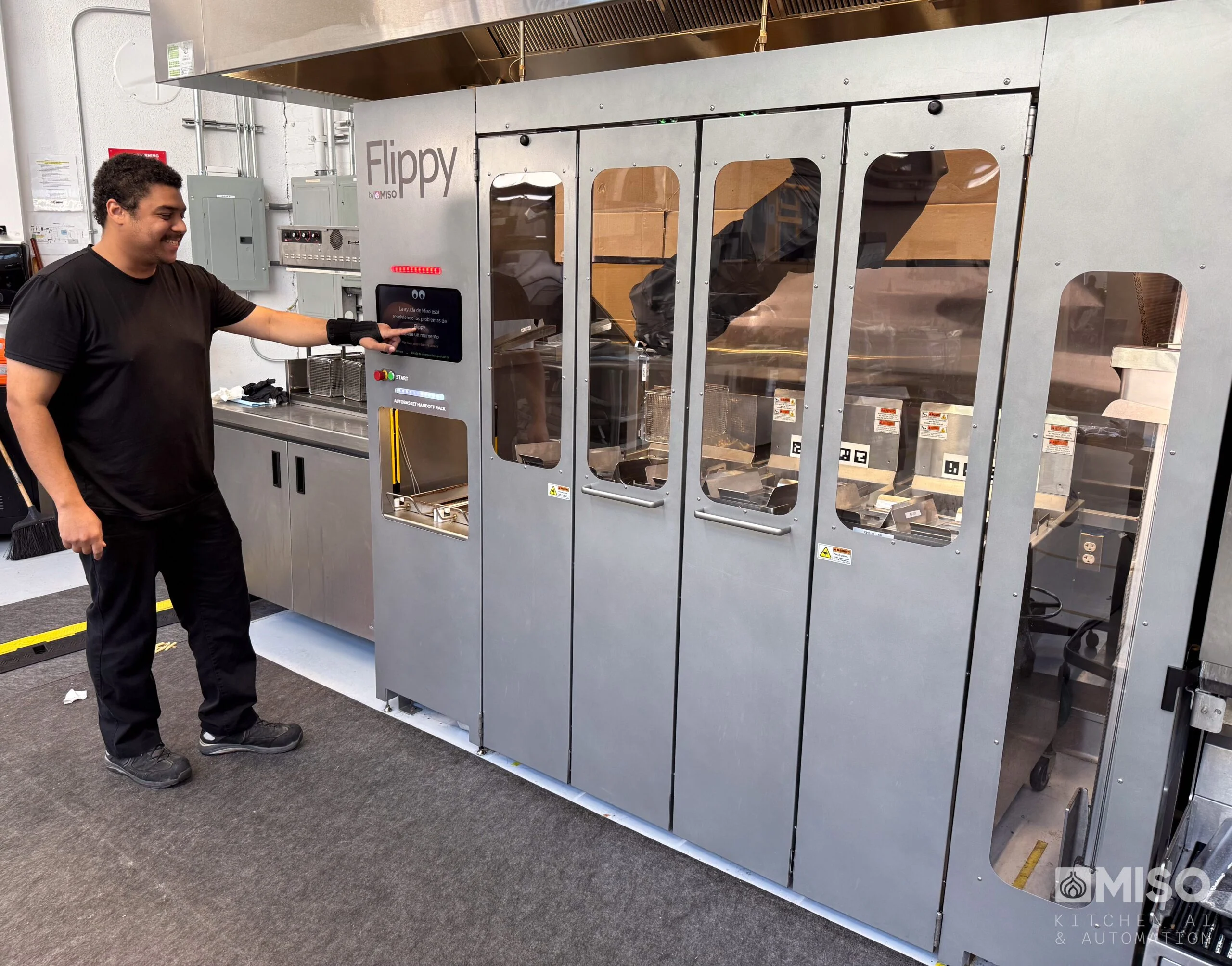
Miso Robotics’ Flippy provides a similar approach for the fry station, using purpose-built robotics to automate a repetitive process involving hot oil and high-volume production. Frying is exactly the kind of structured and hazardous kitchen task that does not need to be learned from scratch by a general-purpose humanoid.

Optimus could instead support the automated fry station by replenishing products and supplies, moving completed food into packaging or order consolidation, clearing materials, and handling the variable tasks surrounding the equipment. Flippy handles the fryer while Optimus learns how to keep an automated production station operating.

Creator using an assembly line to construct fresh burgers in San Francisco.
Flippy uses a robotic arm to operate a conventional fry-cooking station.

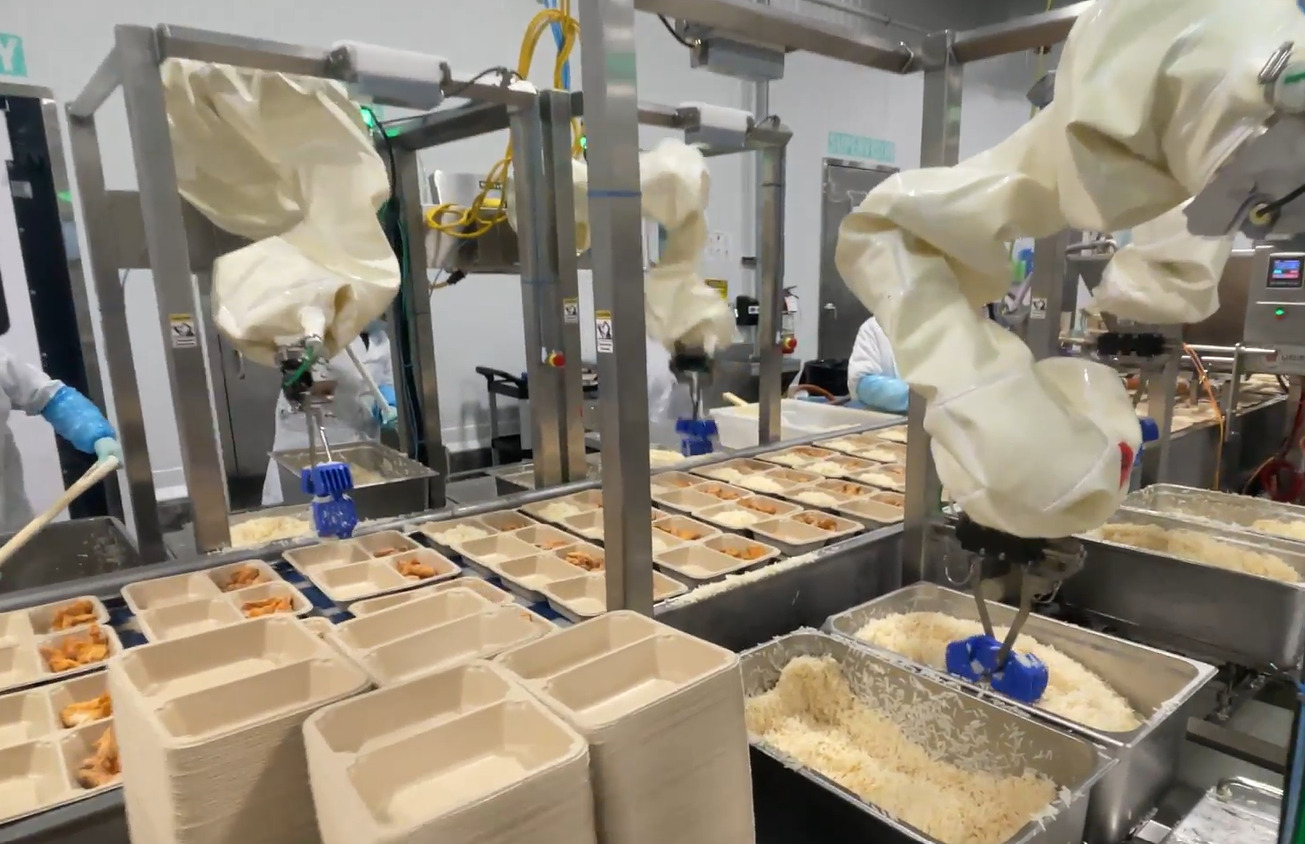
Lab37 Bowl Builder — Automated Meal Assembly

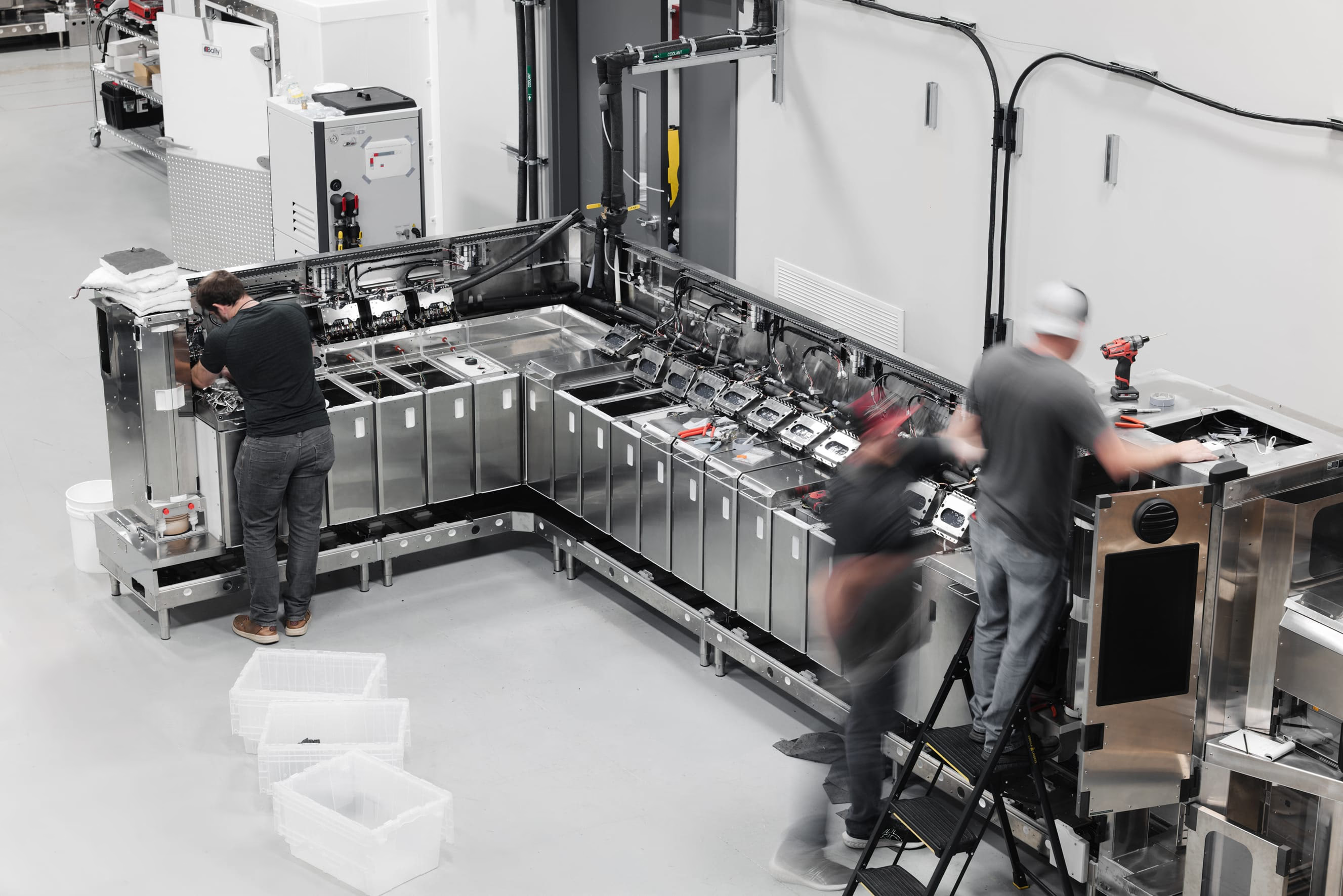
Lab37’s Bowl Builder demonstrates how customizable meals can be automated through a purpose-built assembly system. Ingredients can be portioned and combined according to each digital order, creating a structured production station for bowls and other configurable meals without requiring a humanoid robot to handle every individual ingredient.

Optimus could support the station by replenishing ingredients and containers, moving supplies, retrieving completed meals, adding packaging, and transferring orders to the next stage. This allows Bowl Builder to focus on precise, repetitive assembly while Optimus learns the physical support tasks that keep the station operating.

Picnic — Automated Pizza Assembly

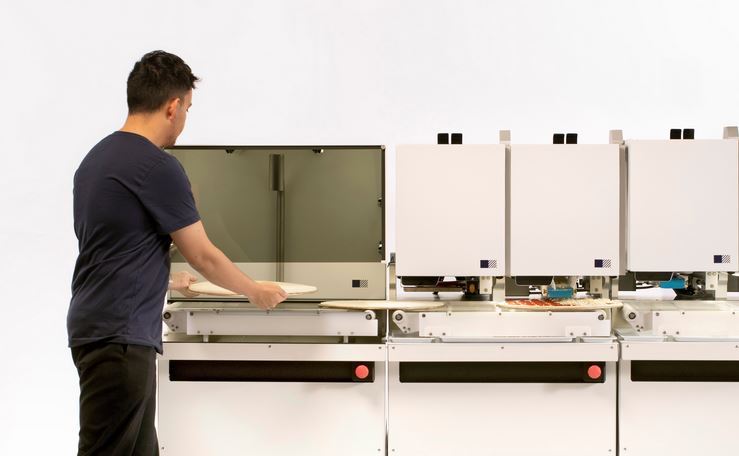
Picnic’s Pizza Station automates one of the most repetitive parts of pizza production by applying sauce, cheese, meats, and other toppings as prepared dough moves through the system. The approach turns pizza assembly into a predictable production process that can operate at significantly higher throughput than asking a general-purpose robot to construct each pizza individually.

Optimus could manage the work surrounding the station: supplying prepared dough, replenishing ingredients, moving pizzas through the remaining cooking and packaging workflow, boxing completed orders, and transferring them to order consolidation. The pizza station handles high-speed assembly while Optimus learns to connect that specialized process with the rest of the restaurant.

The Bowl Builder being assembled at Lab37.
Picnic pizza maker uses an assembly line to add sauce, cheese, and toppings.

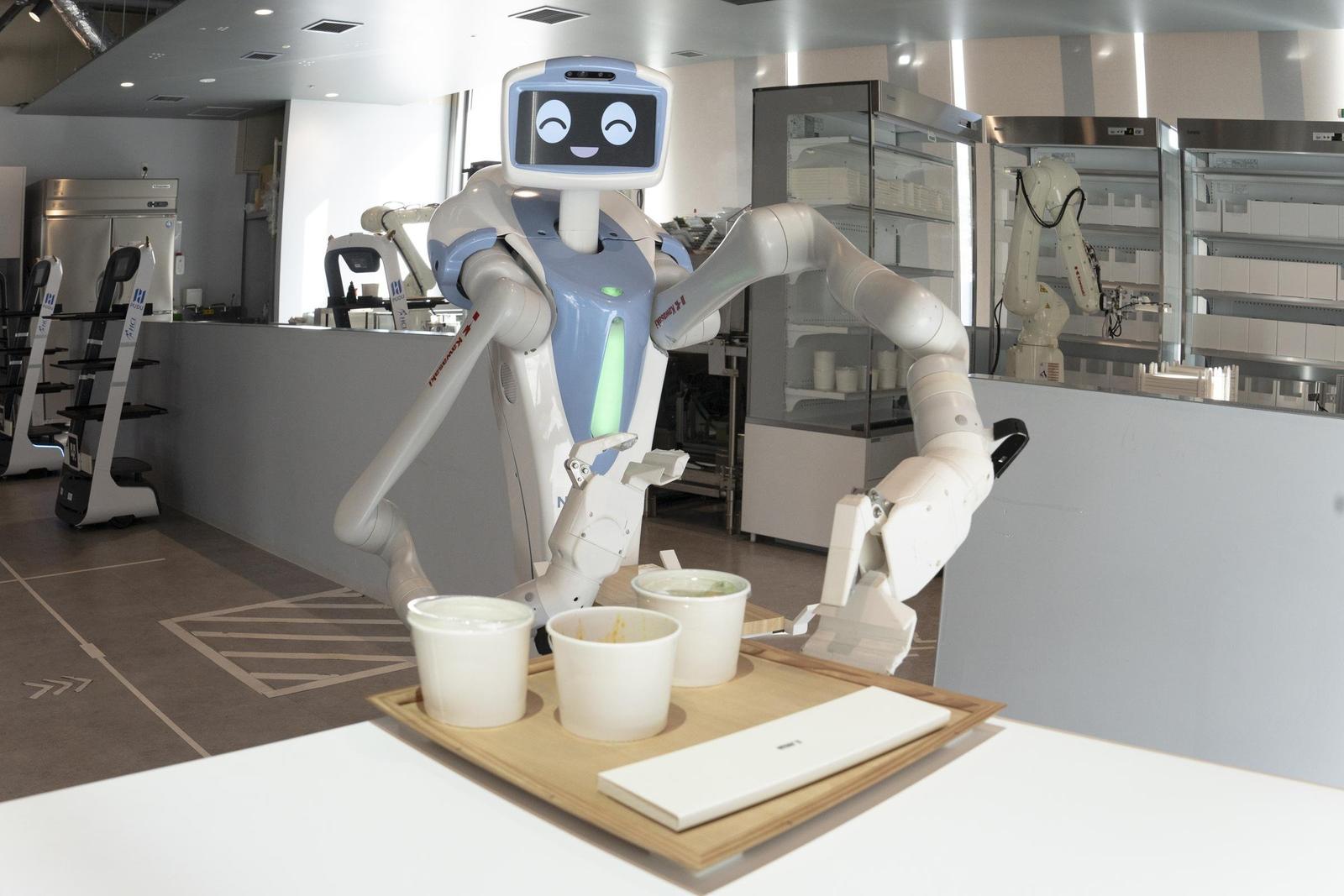
Pudu — Autonomous Cleaning

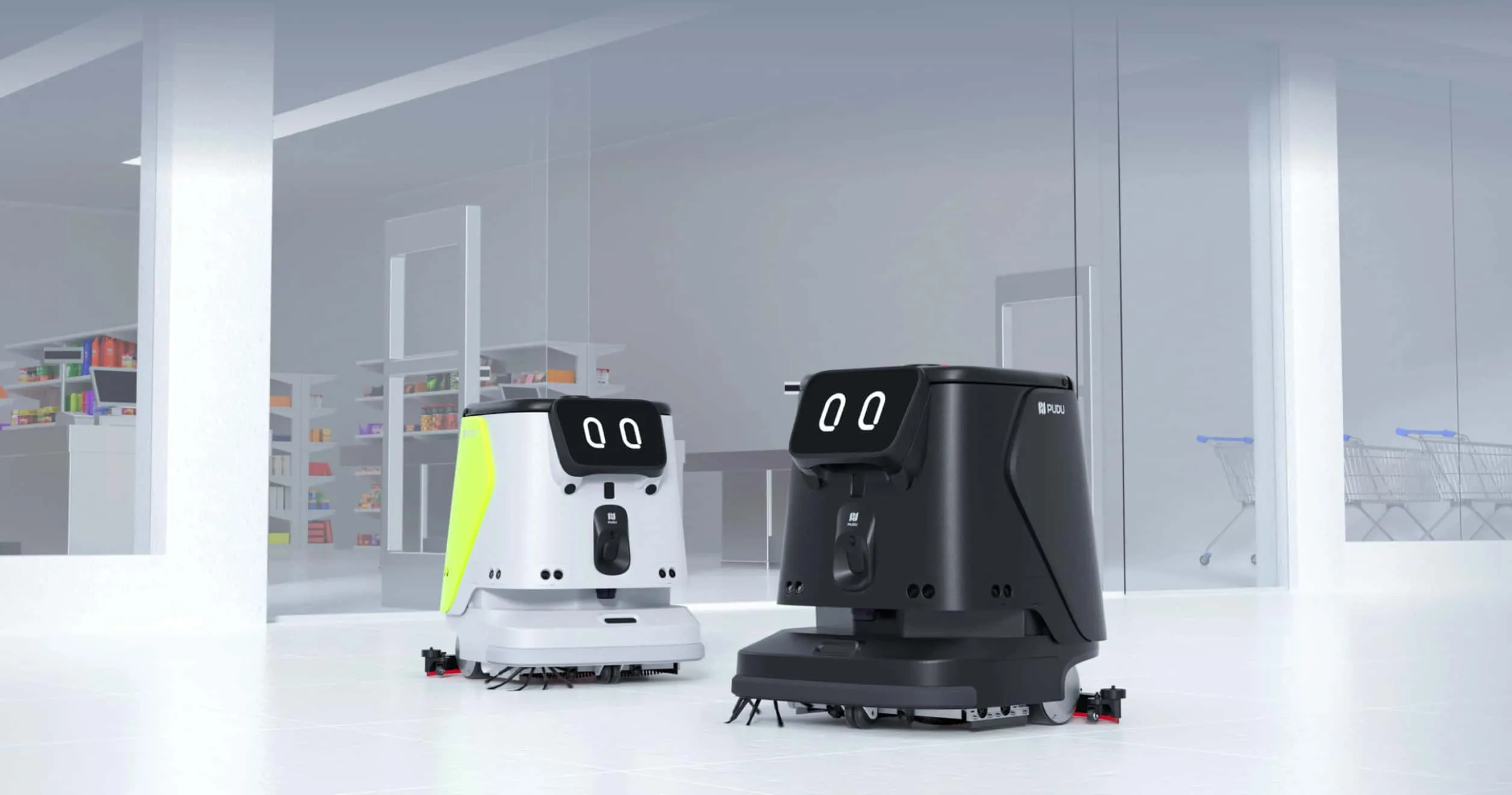
Pudu Robotics offers autonomous cleaning robots designed to handle repetitive floor cleaning across commercial environments. These systems can continuously navigate dining and service areas, clean floors, avoid obstacles, and return for charging with limited intervention, allowing another routine part of restaurant operations to be handled by specialized automation.

Optimus could work alongside Pudu by handling the tasks that require more flexible manipulation: moving chairs or obstacles, emptying waste, wiping surfaces, responding to spills, and preparing areas for autonomous cleaning. Pudu handles the repetitive floor work while Optimus learns the more variable cleaning and maintenance tasks around it.

Serve — Autonomous Delivery

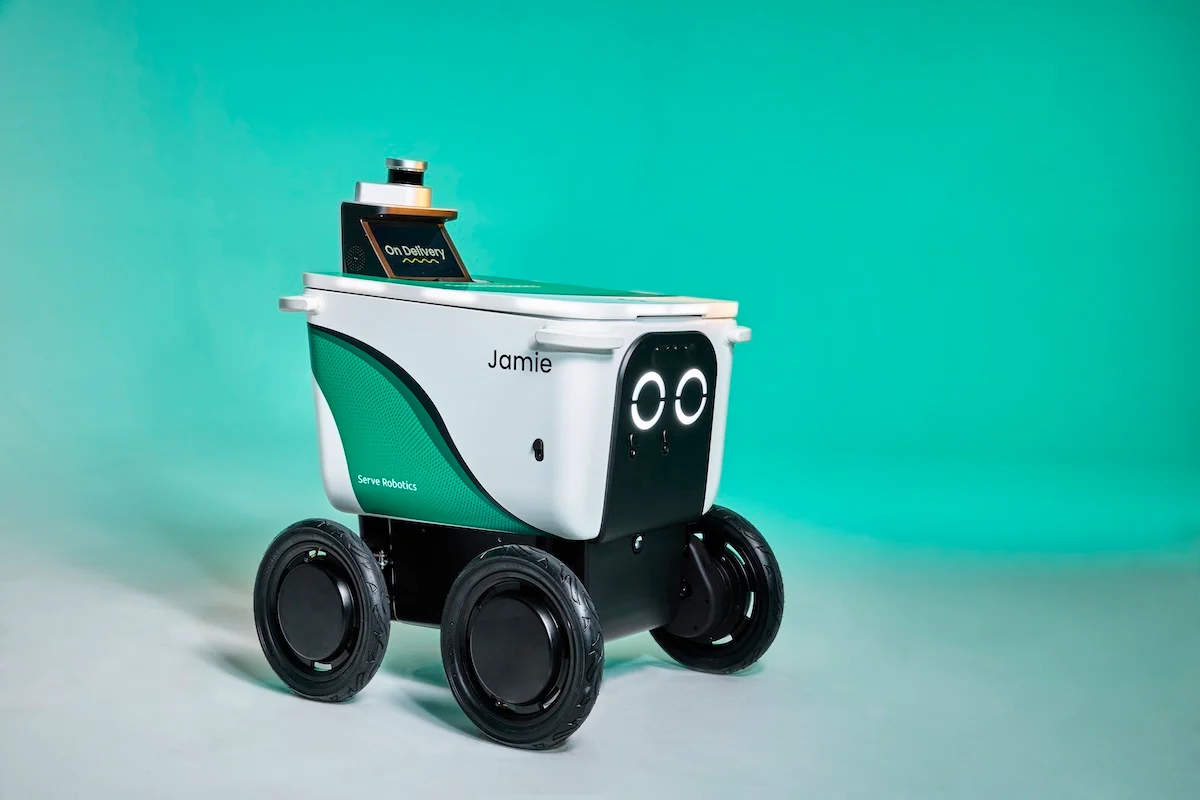
Serve Robotics extends the automated restaurant beyond the building itself. Its autonomous sidewalk delivery robots can transport completed orders directly to customers, creating the opportunity to connect an automated kitchen with an automated last-mile delivery network.

Optimus could consolidate orders from the different food stations, package them for delivery, and load the appropriate Serve robot. A purpose-built robotic handoff entrance could eventually allow Serve robots to arrive, receive an order directly from Optimus, and depart without requiring a human intermediary—connecting automated food production to autonomous delivery.

Pudu cleaning robots use autonomous navigation to keep high traffic areas spopt free.
Serve robotics handles long distance food logistics.

Training Optimus Between the Systems

The greatest opportunity for Optimus may be the work that exists between specialized machines. Across burger production, frying, bowl assembly, pizza, cleaning, and delivery, the same general physical tasks appear repeatedly: replenishing supplies, loading and unloading equipment, transferring products, packaging orders, clearing work areas, and responding when something does not go as planned.

This creates a structured environment for training a general-purpose robot. Instead of asking Optimus to master every specialized restaurant process, it can repeatedly practice transferable manipulation and logistics skills while the automated systems around it keep the operation productive.

A Modular Autonomous Restaurant

This approach would also allow the restaurant to evolve as automation improves. Individual food-production, cleaning, and delivery systems could be added, replaced, or upgraded without requiring the entire restaurant to be redesigned around a single proprietary platform.

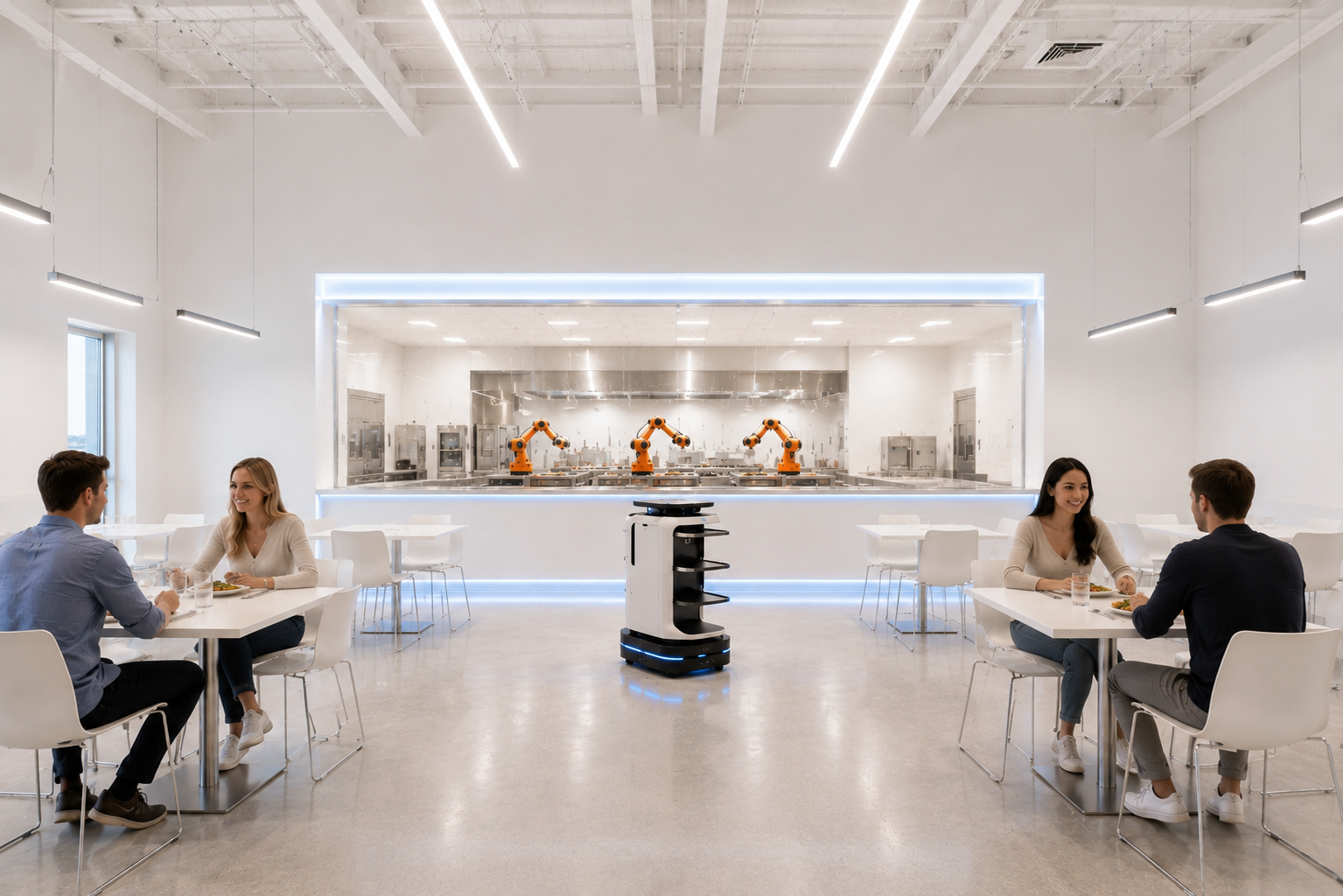
The result is a modular architecture built from specialized automation connected by Optimus and a common orchestration layer. Different combinations of modules could support different menus and restaurant concepts while the general operating model remains the same.

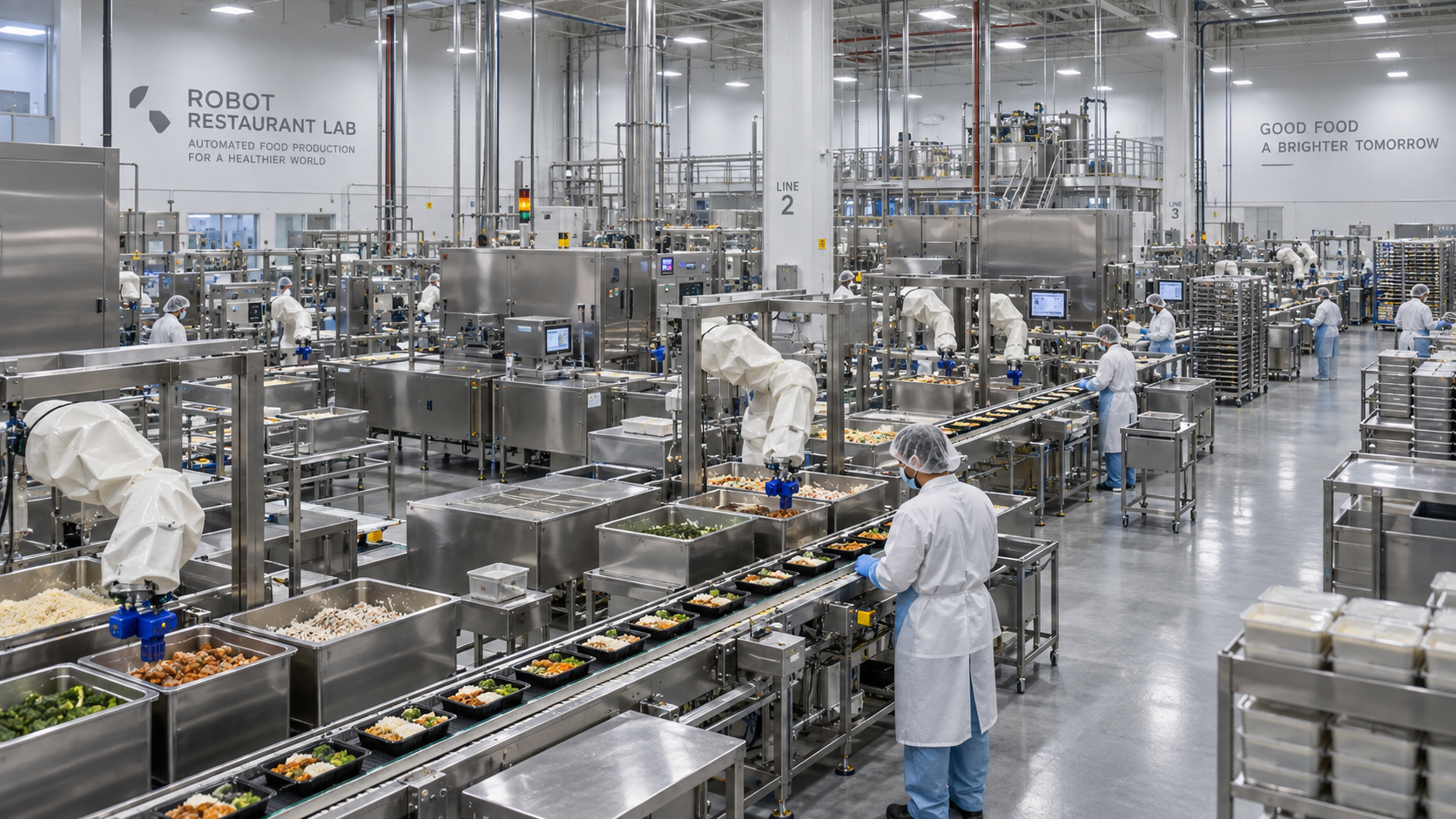
Tesla Diner as a Robot Restaurant Lab

Tesla Diner could provide an ideal environment for bringing these technologies together. By partnering with established food automation, cleaning, and delivery robotics companies, Tesla could test how specialized systems perform as part of one coordinated autonomous restaurant while continuously expanding the tasks Optimus can perform between them.

The restaurant could become both a working business and a real-world robotics laboratory, generating operational experience and training data while demonstrating how general-purpose robots can work alongside specialized automation. The same model could eventually extend beyond Tesla Diner into restaurants, hospitality, logistics, and other environments where multiple automated systems need a flexible robot to connect them.

Comments

Log in to leave a comment
No comments yet. Be the first to comment!