
Roboticsproduct
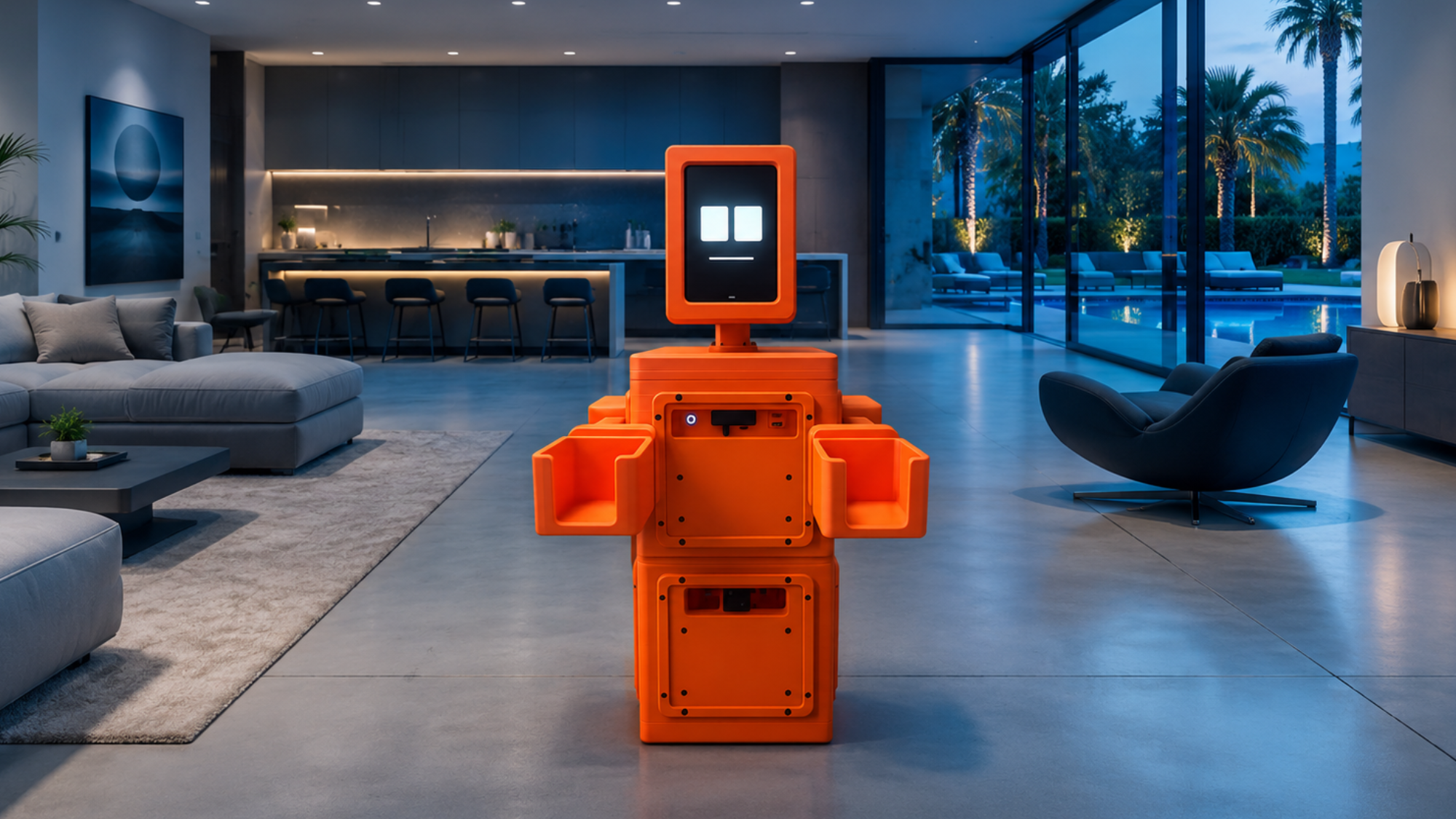
Millie Bot Open Source AI Robot
A fully open-source AI robot featuring natural conversation, autonomous navigation, computer vision, and a modular 3D-printed body.
160
An autonomous food production system that stores ingredients, prepares and cooks meals, and serves customers from one compact robotic kitchen.
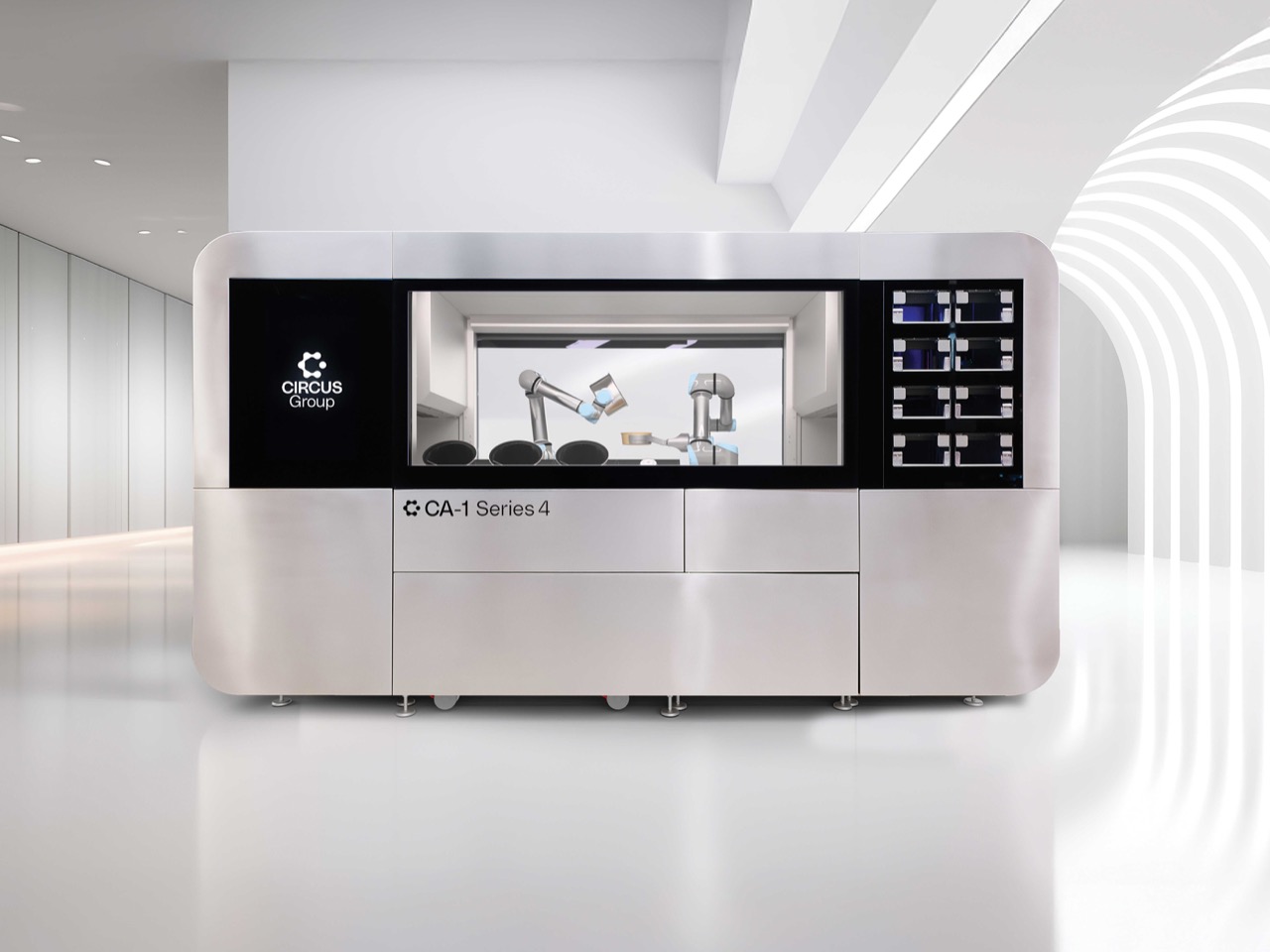
The Circus CA-1 combines ingredient storage, robotic food preparation, cooking, and meal dispensing within a compact autonomous system. Rather than automating a single station inside an existing restaurant, the CA-1 brings several parts of the food production process together within one robotic platform.
This approach allows autonomous food service to operate more like infrastructure than a traditional restaurant kitchen. A CA-1 can be installed within an existing facility and provide freshly prepared meals without requiring the space, equipment, and staffing normally associated with building and operating a complete commercial kitchen.
A compact autonomous kitchen creates opportunities for food service in places where demand changes throughout the day or where maintaining a fully staffed kitchen can be difficult. Hotels, workplaces, universities, healthcare facilities, transportation hubs, and other high-traffic environments could use systems like the CA-1 to expand food availability while maintaining a relatively small physical footprint.
This could also make robotic food production useful beyond conventional restaurants. Instead of requiring customers to visit a dedicated robotic restaurant, autonomous kitchens can be deployed directly into the environments where people already live, work, travel, and gather, creating a new distribution model for freshly prepared food.
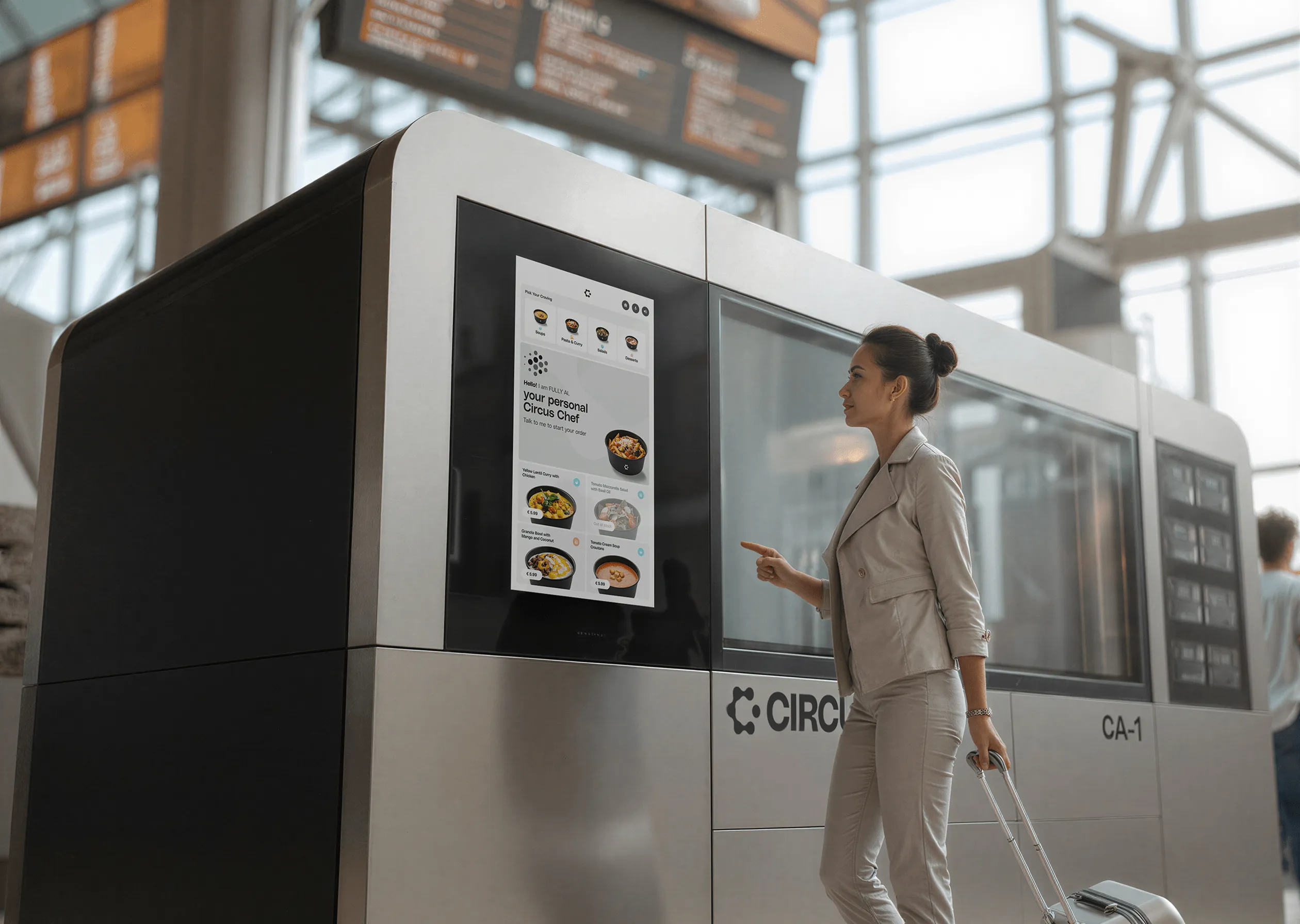
The CA-1 brings ingredient handling, cooking, and meal preparation together within a single robotic system. Orders can move through the production process automatically, allowing freshly prepared meals to be produced with minimal human involvement.
Ingredients are stored directly within the CA-1 in a temperature-controlled environment, creating a self-contained food production system. This allows the robot to access the ingredients it needs without relying on a separate kitchen or external preparation line.
The CA-1 packages an automated kitchen into a relatively small footprint, allowing it to be installed in workplaces, hotels, universities, hospitals, and other locations. This creates opportunities to provide freshly prepared food in spaces where operating a conventional commercial kitchen may be difficult or expensive.
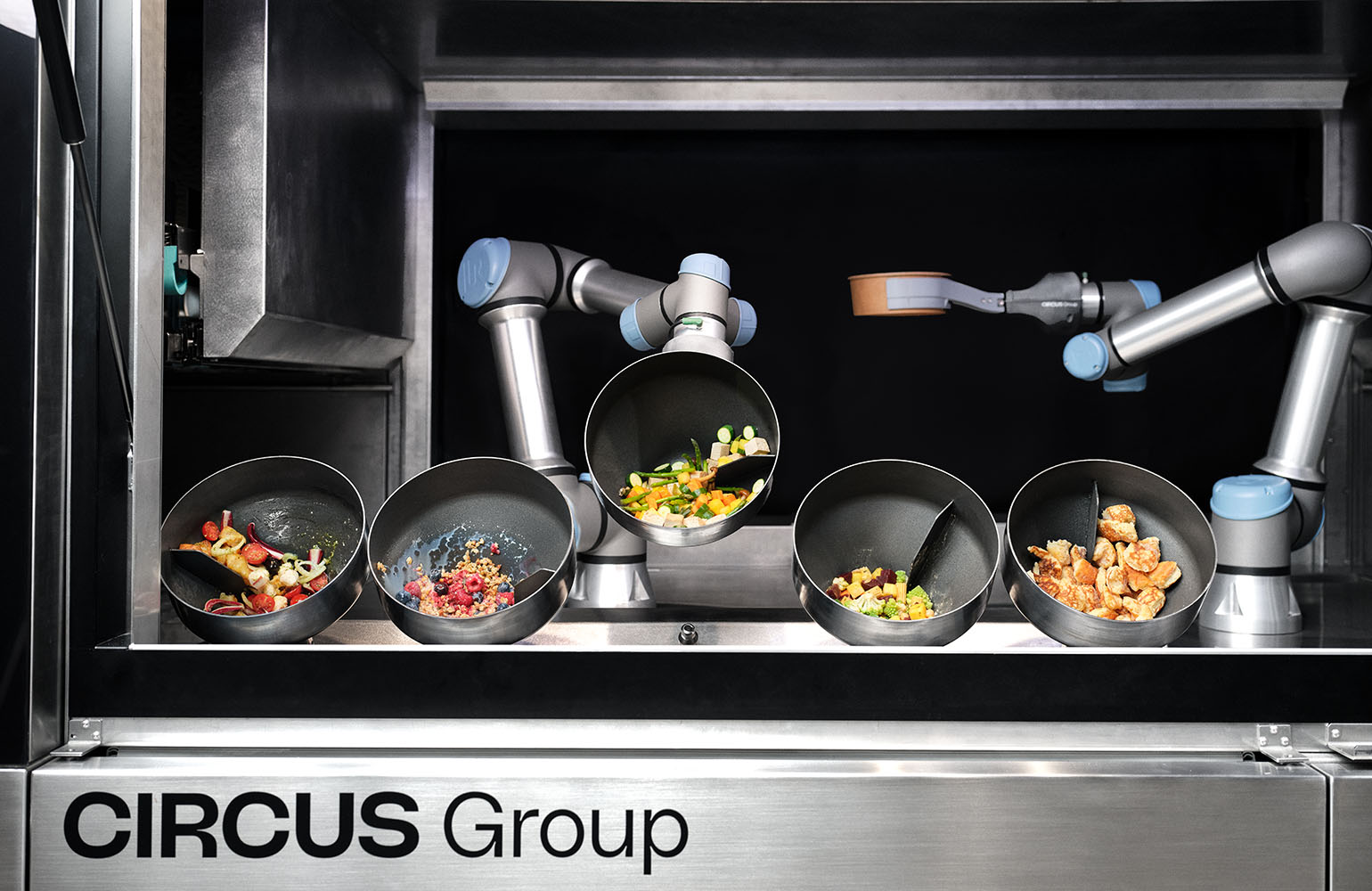
The CA-1 demonstrates how robotic food production can move beyond traditional restaurant kitchens. By combining storage, preparation, cooking, and serving within one system, autonomous kitchens can be deployed directly into hotels, workplaces, universities, healthcare facilities, and other environments where people already spend time.
This creates a new model for food service where compact robotic kitchens can expand access to freshly prepared meals without requiring every location to build and operate a conventional kitchen.
Dream Cloud explores opportunities to bring emerging robotics and automation technologies into real-world environments. Systems like the CA-1 could create new possibilities for hospitality, commercial properties, workplaces, and other organizations looking to introduce automated food service.
Organizations interested in deploying autonomous food technologies or exploring potential locations for robotic kitchens can connect with Dream Cloud to discuss opportunities for collaboration.
A fully open-source AI robot featuring natural conversation, autonomous navigation, computer vision, and a modular 3D-printed body.
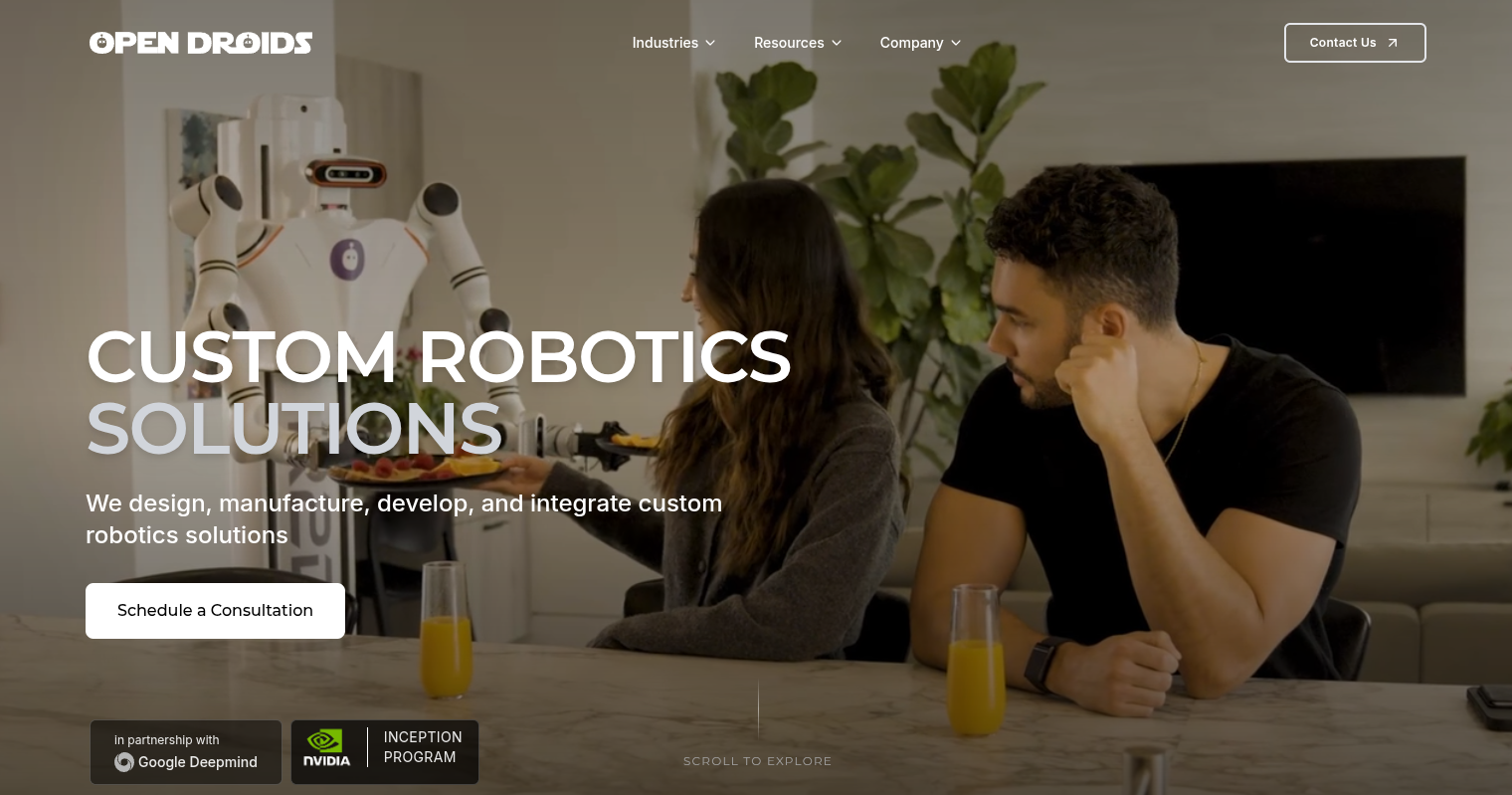
OpenDroids is developing and deploying adaptable robotic systems for hospitality, logistics, manufacturing, retail, and other industries, combining custom hardware, AI, integration, and Robotics-as-a-Service.
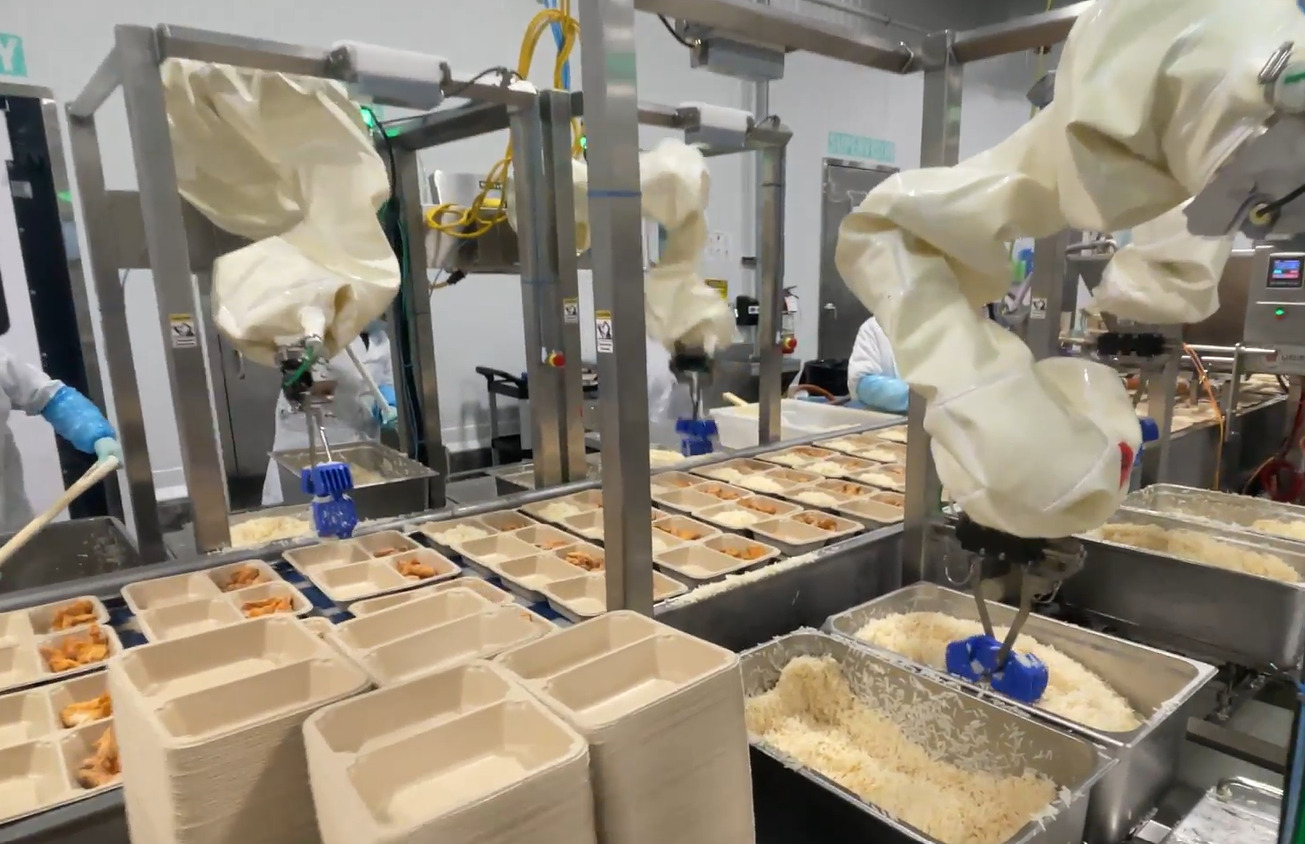
Chef Robotics uses AI-powered robotic systems to automate food portioning and assembly, helping food manufacturers increase production, reduce labor costs, and improve consistency across high-volume operations.
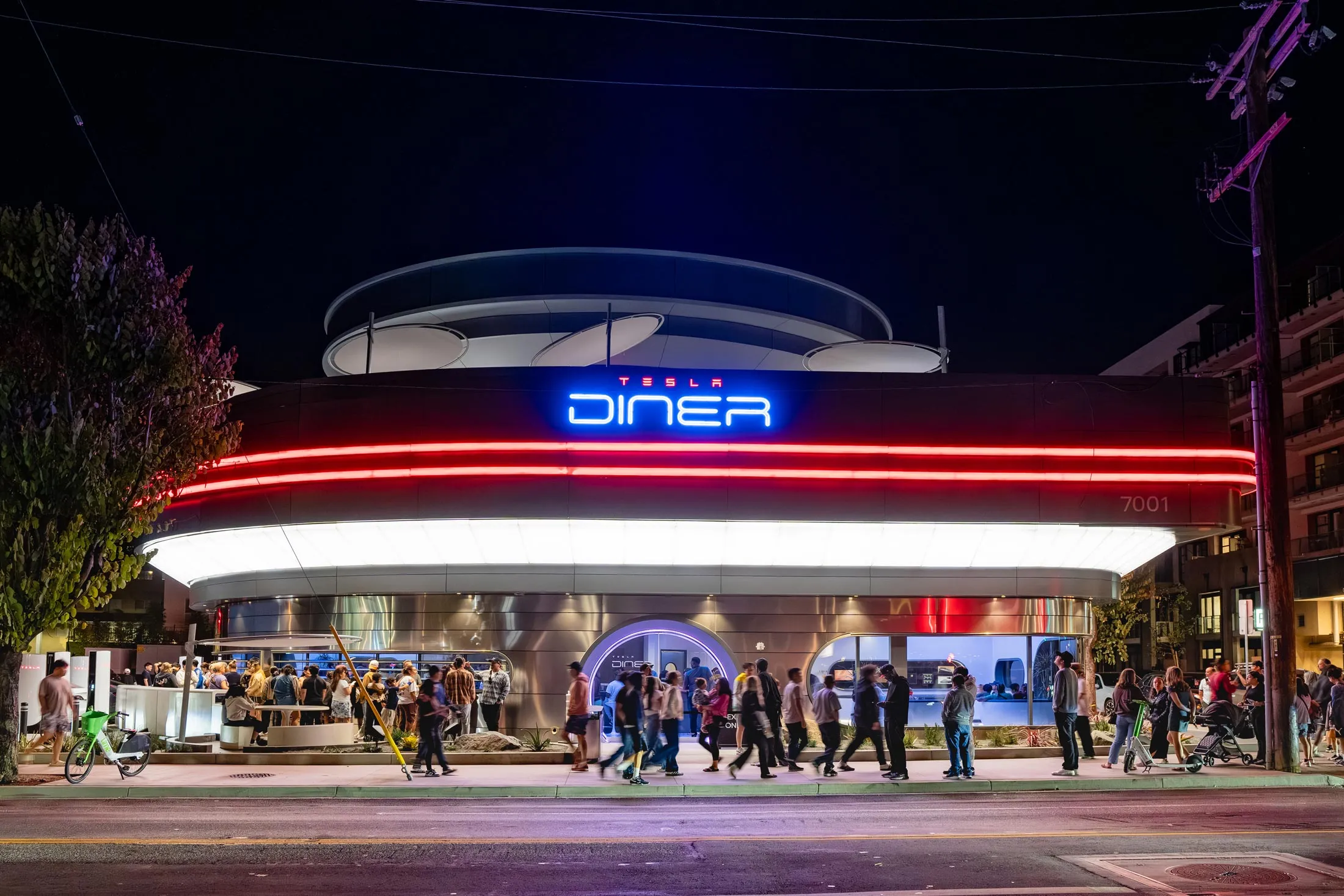
Tesla could combine existing automated food-production systems with Optimus to create a real-world environment where humanoid robots learn the physical tasks that connect an autonomous restaurant.
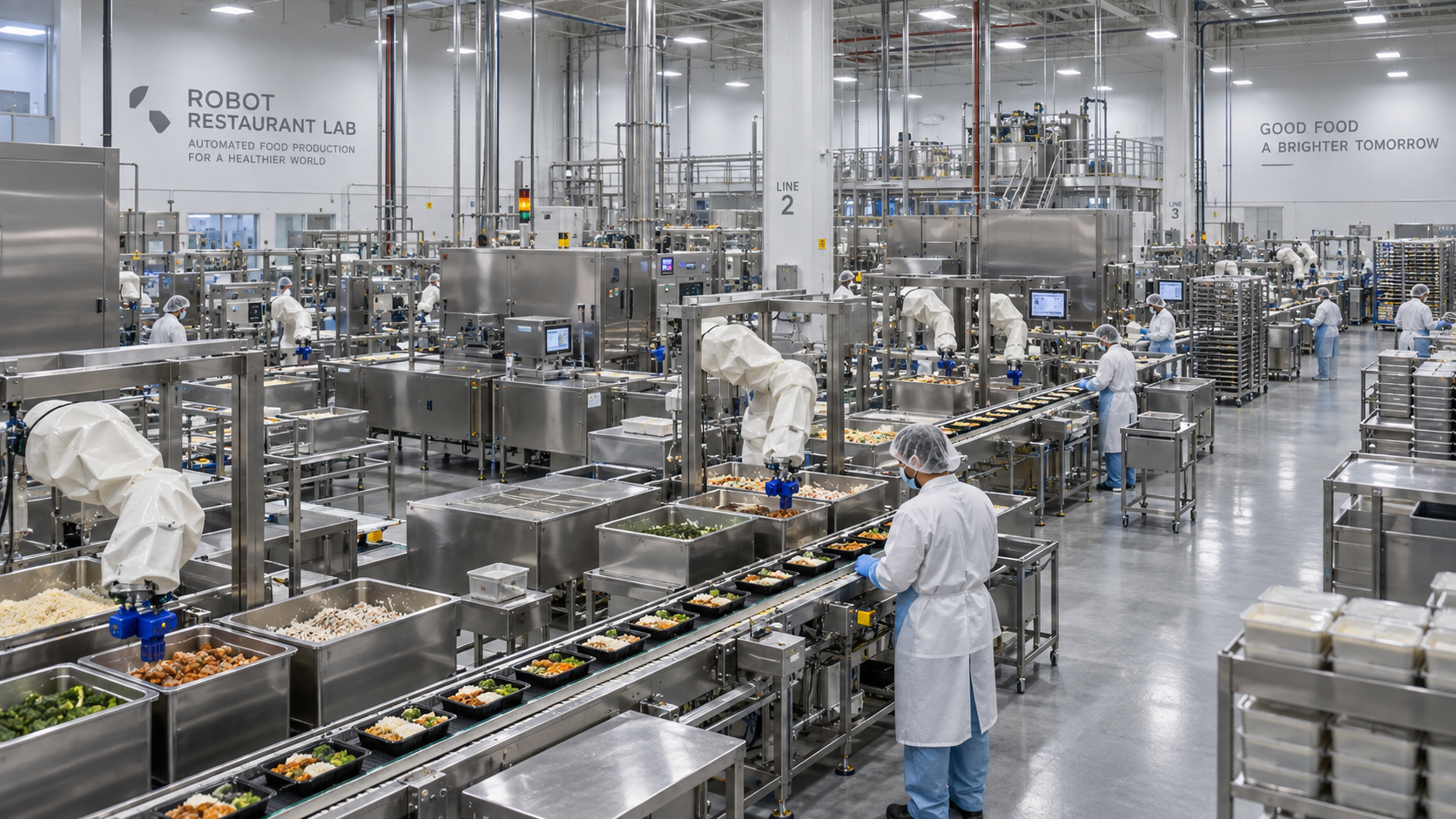
Developing highly automated food production facilities that combine robotics, industry expertise, and regional partnerships to reduce costs and supply prepared food at commercial scale.
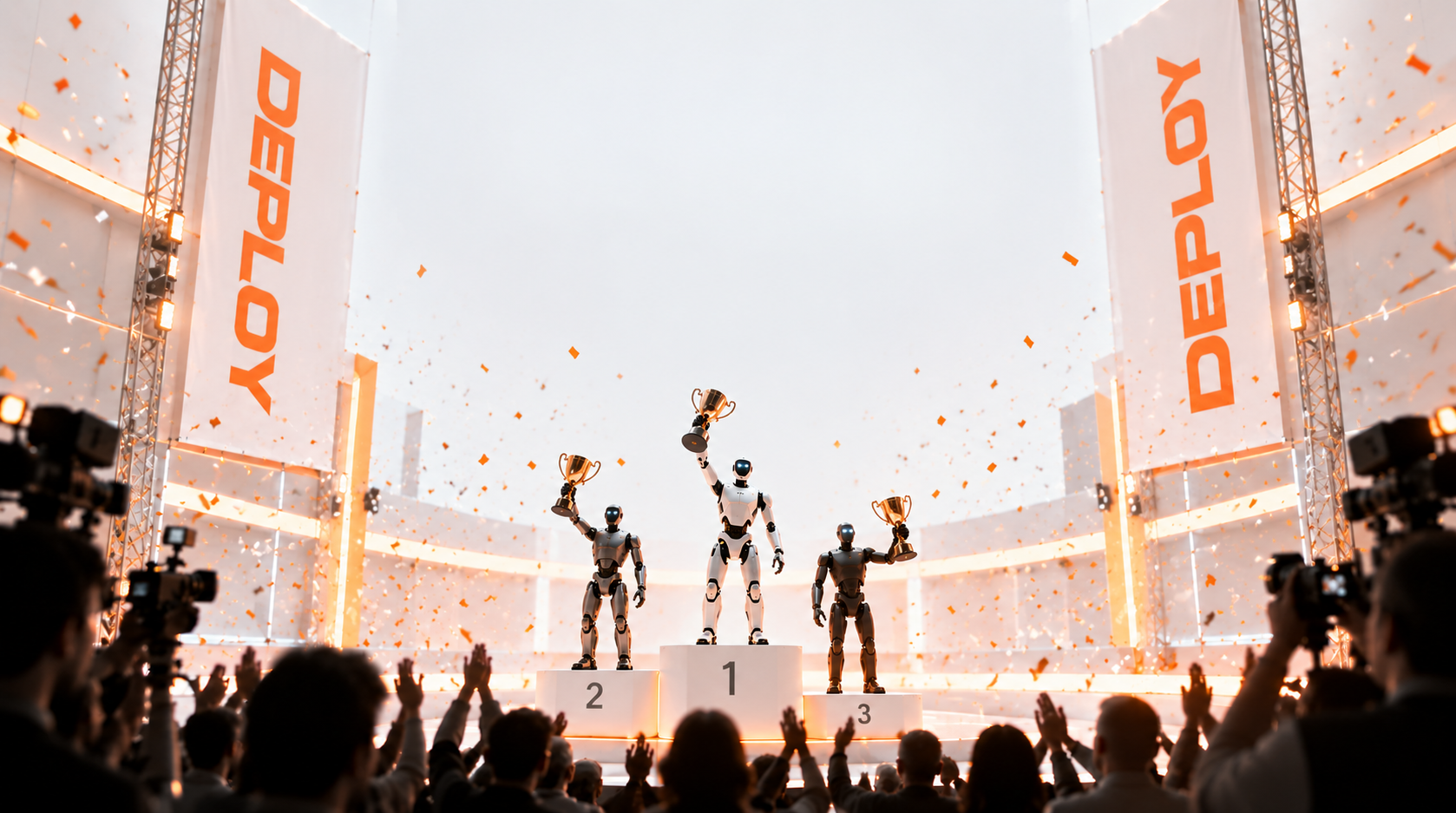
An exciting head-to-head competition where humanoid robots tackle real-world challenges, showcasing the latest advances in robotics, artificial intelligence, and autonomous technology.