Developing High-Sensitivity Tactile Sensors
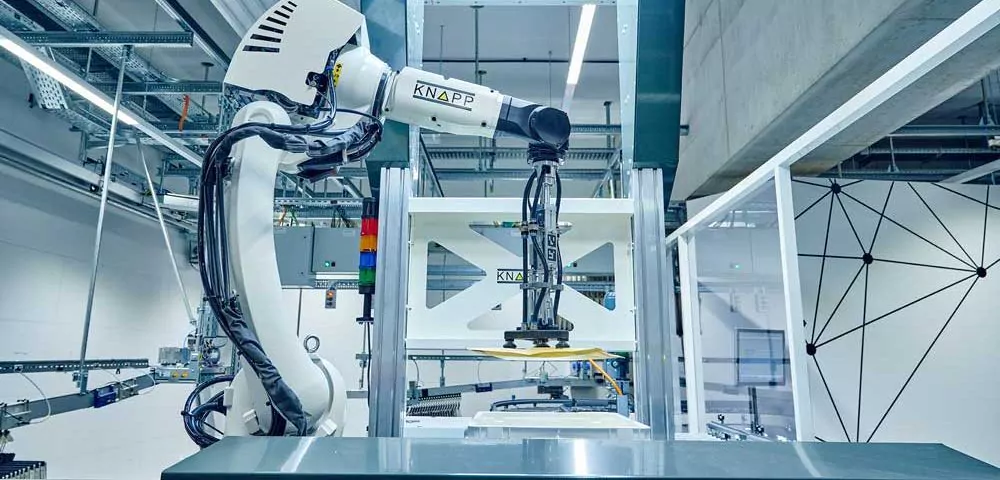
Rhoda AI is developing advanced tactile sensors that allow robotic systems to detect and interpret physical contact with remarkable sensitivity. Its technology can measure forces as small as a few millinewtons while also handling forces exceeding 40 newtons, providing a wide operating range for manipulating objects of different sizes, weights, and materials.
Beyond measuring pressure, the sensors can detect directional forces, vibrations, and temperature changes. These capabilities provide robots with information about slipping, surface contact, and physical resistance, helping them make more precise adjustments when handling objects that require careful manipulation.
Teaching Robots to Manipulate Objects Through Touch
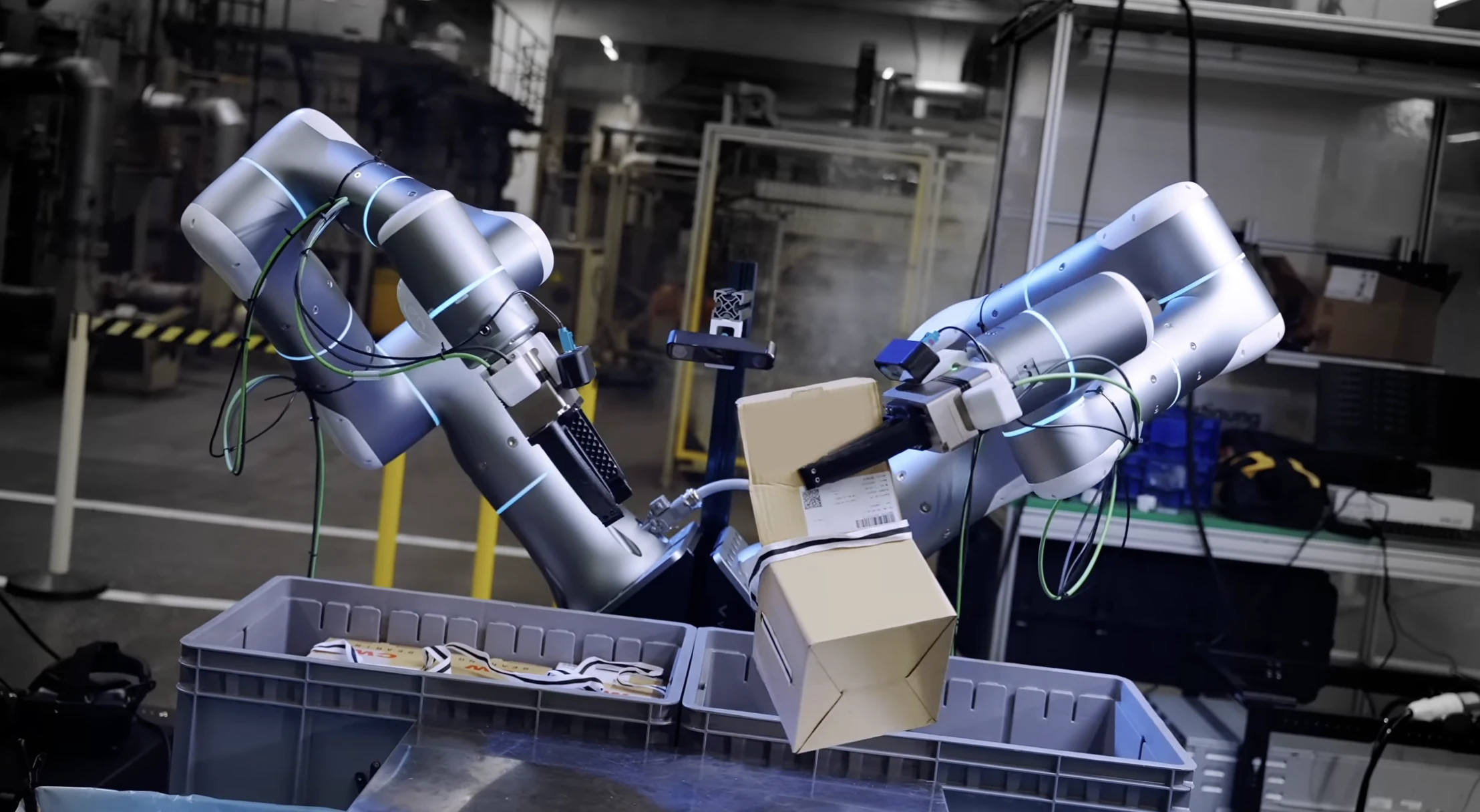
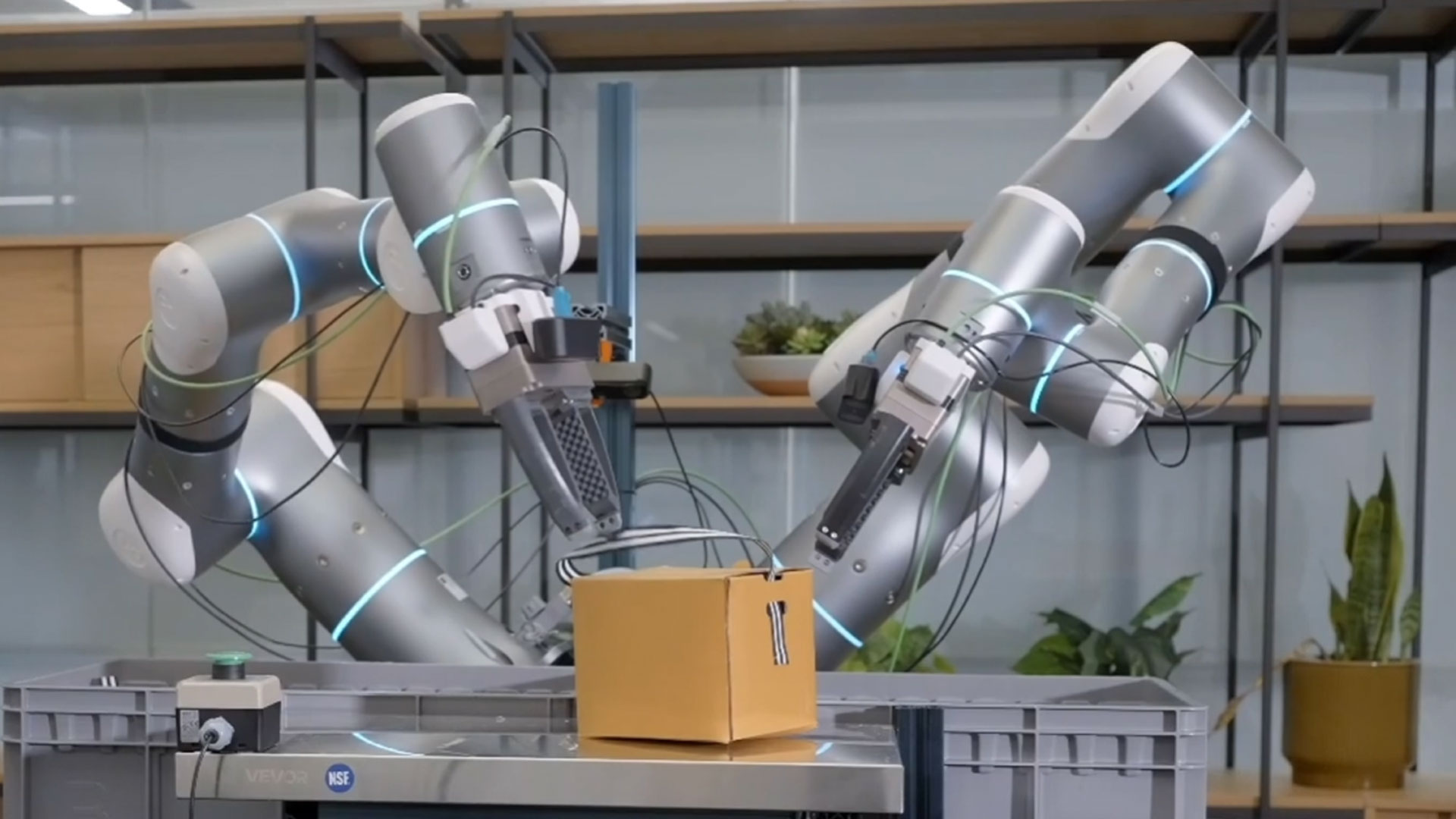
Rhoda AI is integrating tactile feedback into its Direct Video-Action framework, extending robotic learning beyond visual observations. By incorporating touch into the model's predictions, robots can learn how physical contact changes during manipulation and adjust their movements based on sensory feedback.
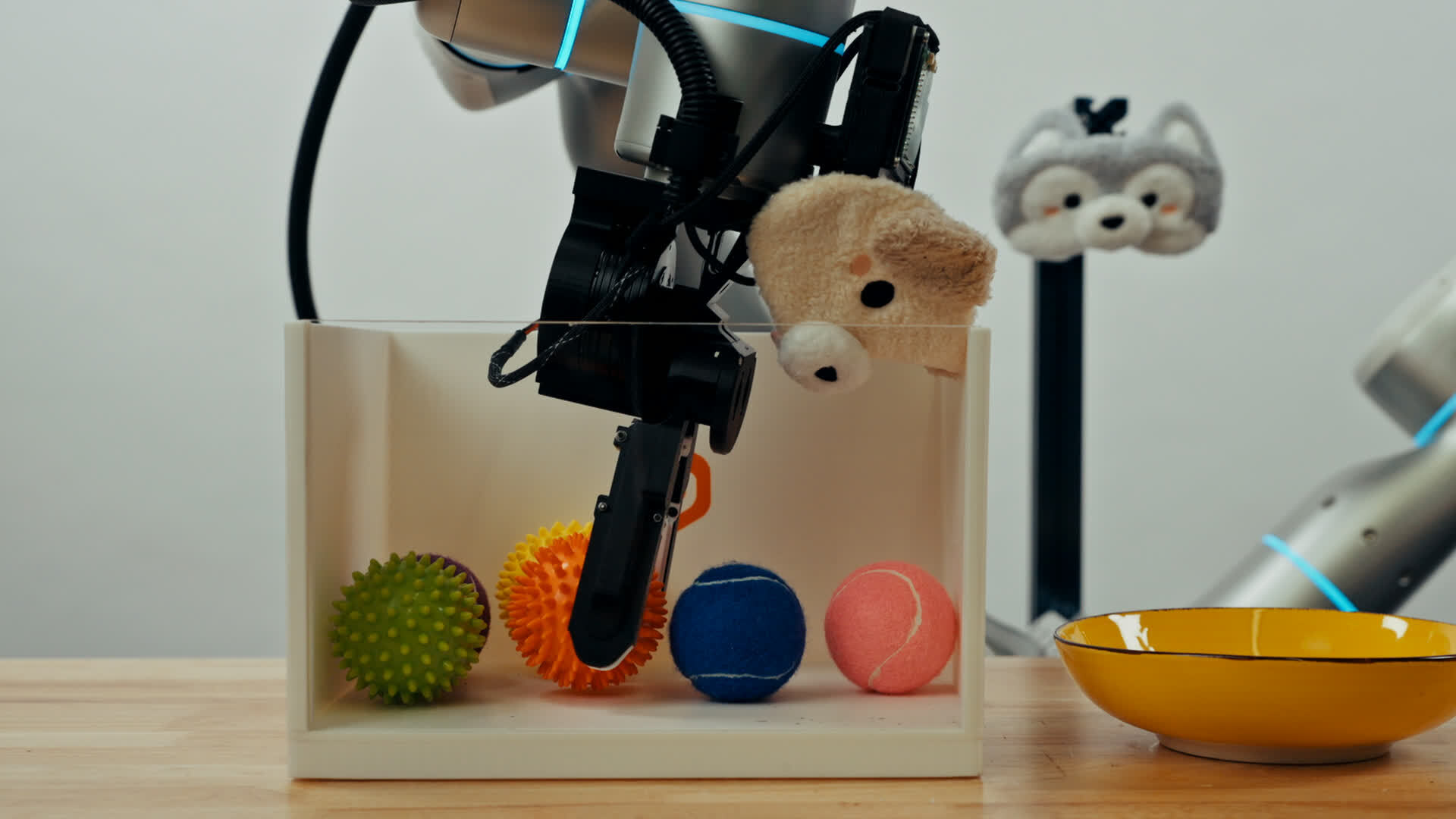
In its research demonstrations, Rhoda AI showed robots identifying and retrieving textured objects even when their cameras were obstructed. These experiments demonstrate how tactile intelligence can complement vision and potentially improve robotic performance in tasks such as precision assembly, object sorting, and handling delicate or irregularly shaped materials.