
Researchpost
Building a Democratic Technology Cooperative
Exploring new models of democratic participation through sortition, rotating leadership, collective investment, and technology-enabled cooperative governance.
40
An examination of how the UK's Cooperative Technologists network connects worker-owned technology businesses, shares resources, and uses democratic governance to build an alternative model for the digital economy.
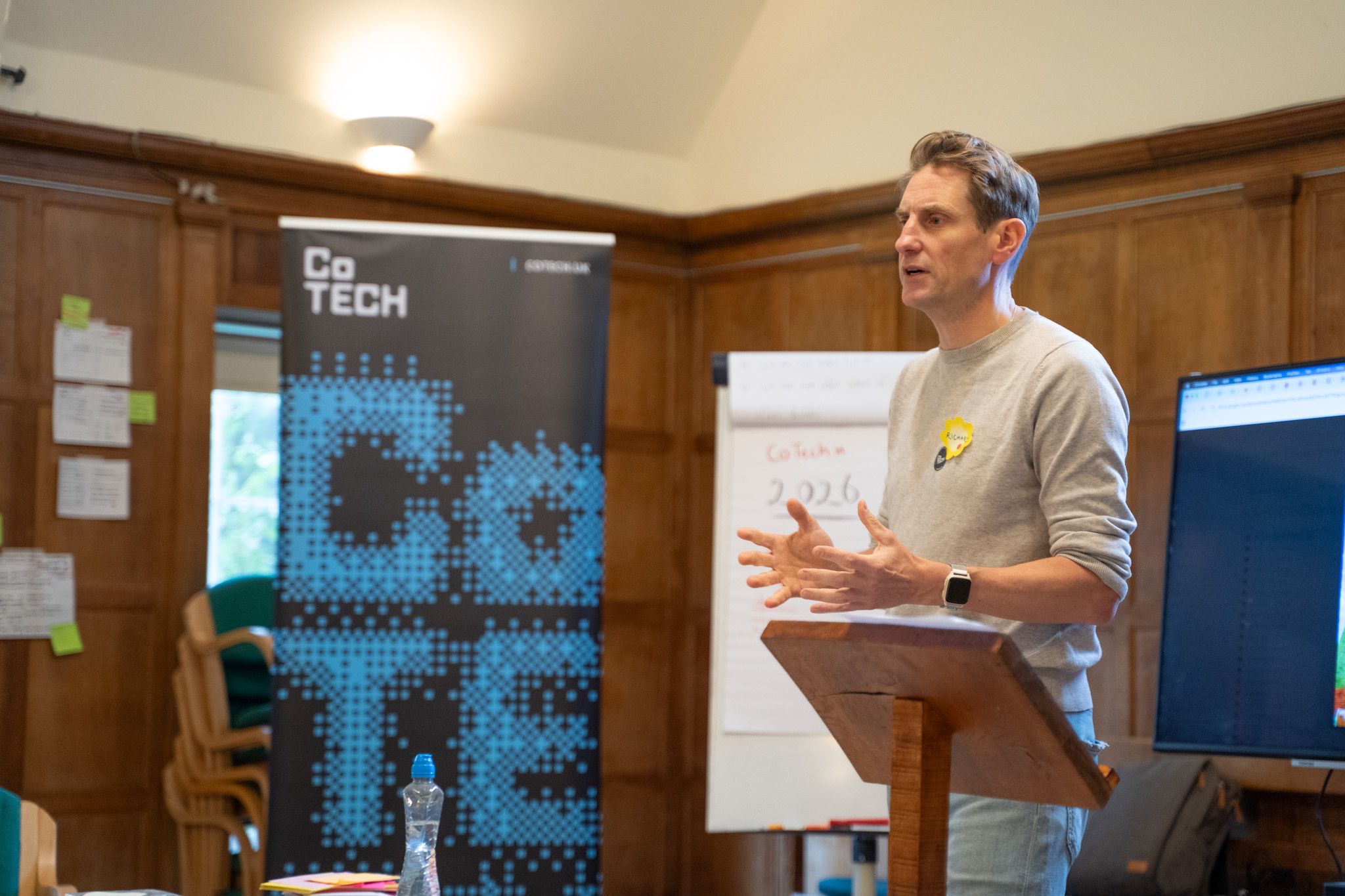
Sept 17th 2026 CoTech Conference, bringing together members of the cooperative technology community.
Cooperative Technologists, known as CoTech, was established in November 2016 when 55 participants representing 18 cooperatives gathered at Wortley Hall in the United Kingdom. The network was created to connect independent, worker-owned technology businesses around a shared commitment to democratic ownership, collaboration, and the development of a cooperative digital economy.
Unlike conventional technology companies controlled by investors or external shareholders, CoTech's participating businesses are owned and democratically governed by their workers. The network promotes an economic model in which the people developing and delivering technology retain control over their organizations, participate in important decisions, and share in the value their businesses create.
CoTech operates as a network of independent cooperatives rather than a single centralized technology company. Its members provide specialized services including software development, web applications, cloud hosting, digital design, data integration, and custom AI applications, allowing businesses with different capabilities to collaborate while maintaining their independence.
By connecting these organizations, CoTech helps smaller technology businesses pursue opportunities that might otherwise require the resources of a larger company. Members can refer clients to one another, combine technical expertise on projects, and develop relationships that strengthen the cooperative sector while offering customers access to a broader range of professional services.
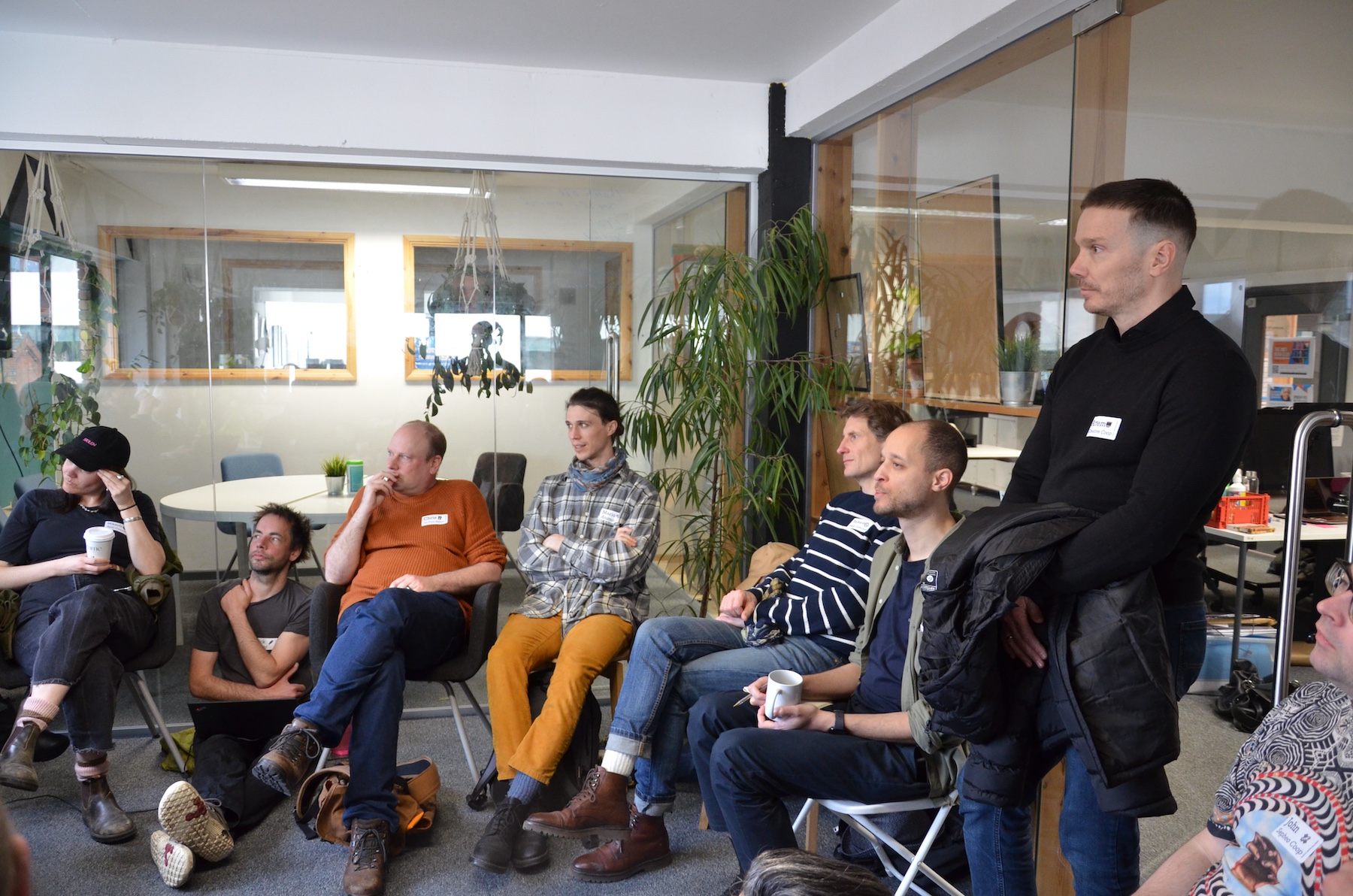
CoTech's governance model is built around democratic participation by its member cooperatives, allowing independent businesses to contribute to decisions affecting the wider network. Its constitution establishes a consensus-based process using Loomio, an online decision-making platform where members can introduce proposals, discuss organizational matters, and participate in collective voting.
Under this framework, each cooperative receives one vote, and proposals require the absence of formal objections to pass. This approach emphasizes cooperation and agreement rather than centralized authority, helping participating organizations maintain their independence while establishing shared policies and priorities.
CoTech encourages its members to exchange technical knowledge, share business opportunities, and collaborate on resources that benefit the wider network. Its initiatives have included specialized skill-sharing groups, shared development infrastructure, professional mentoring, and discussions about coordinating services across participating cooperatives.
The network also organizes in-person gatherings, online meetings, and collaborative working groups where members can develop projects and strengthen professional relationships. These activities demonstrate how independent technology businesses can pool expertise and organizational resources to increase their capabilities without merging into a single corporation.
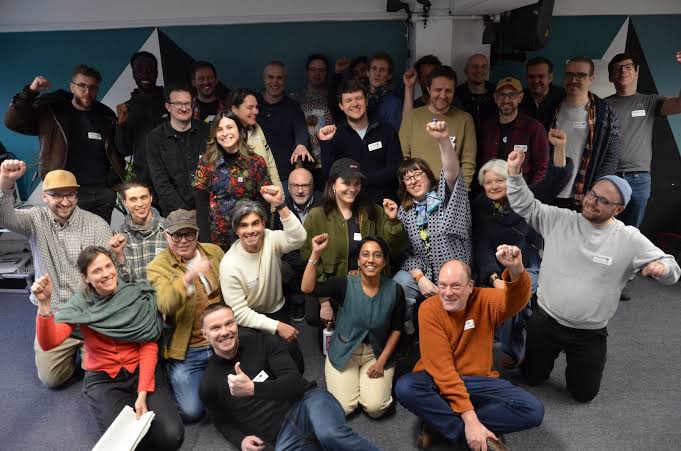
CoTech demonstrates how worker-owned businesses can compete in the technology industry while maintaining democratic ownership and independent operations. Its participating cooperatives provide professional services across software engineering, web development, digital infrastructure, design, and technology consulting, serving commercial businesses, nonprofit organizations, and public institutions.
By combining specialized capabilities across multiple organizations, the network creates opportunities to pursue larger projects and develop long-term client relationships. This collaborative approach allows smaller cooperatives to expand their reach while keeping business ownership and decision-making in the hands of the people performing the work.
CoTech provides a practical example of how democratic ownership and cooperation can become part of an operating technology business model. Rather than requiring every organization to develop its own expertise and infrastructure independently, participating cooperatives can strengthen one another through shared knowledge, coordinated projects, and collective decision-making.
The model also offers possibilities for emerging industries such as artificial intelligence, robotics, and industrial automation, where specialized expertise and expensive infrastructure can create barriers for smaller organizations. Expanding cooperative networks into these fields could help technology workers collectively develop new systems, share economic opportunities, and participate more directly in shaping the technological future.
Exploring new models of democratic participation through sortition, rotating leadership, collective investment, and technology-enabled cooperative governance.

Exploring how democratic governance, cooperative ownership, and public participation can shape the development of emerging technologies and ensure their benefits are shared across society.

An exciting head-to-head competition where humanoid robots tackle real-world challenges, showcasing the latest advances in robotics, artificial intelligence, and autonomous technology.
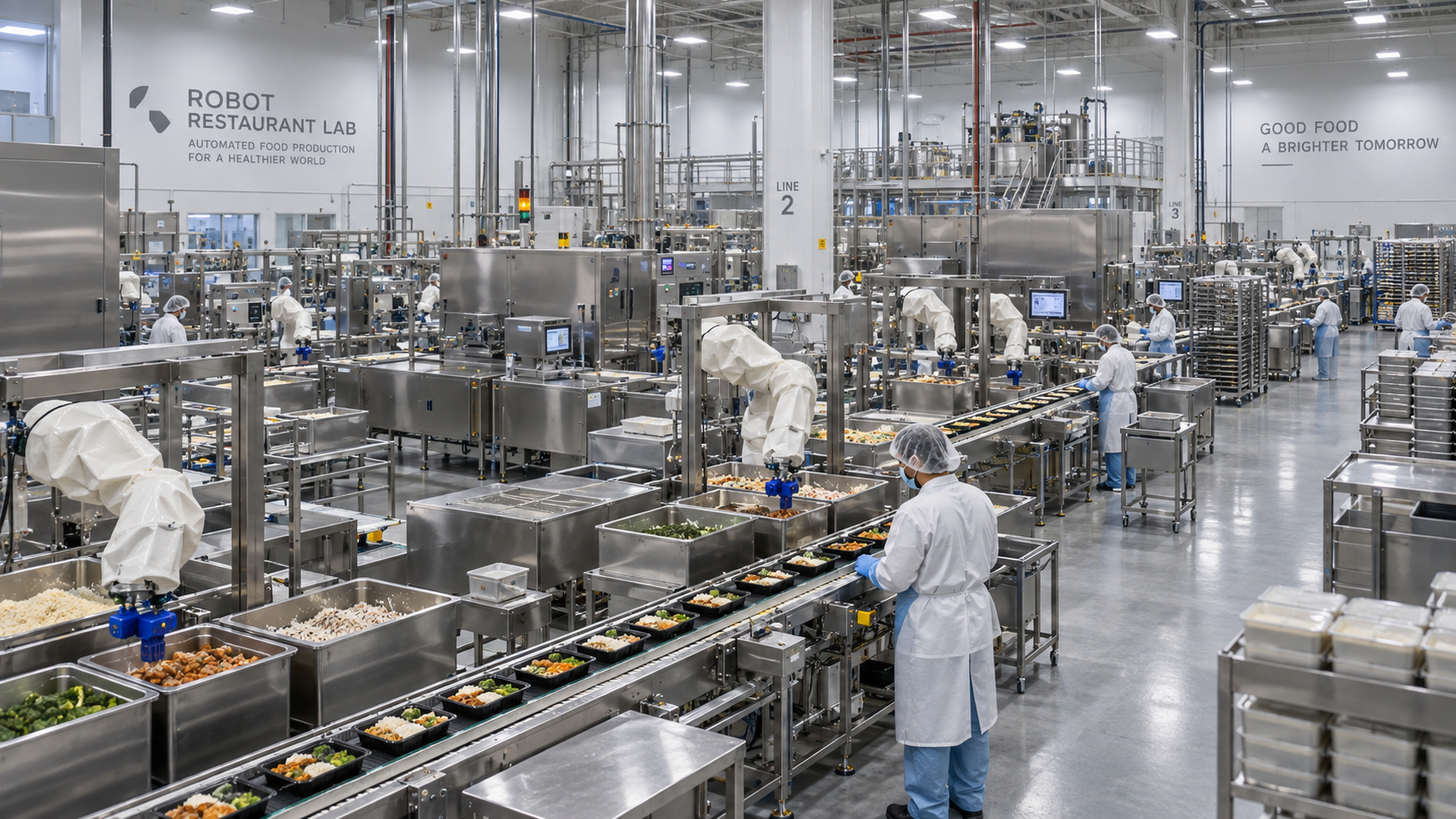
Developing highly automated food production facilities that combine robotics, industry expertise, and regional partnerships to reduce costs and supply prepared food at commercial scale.
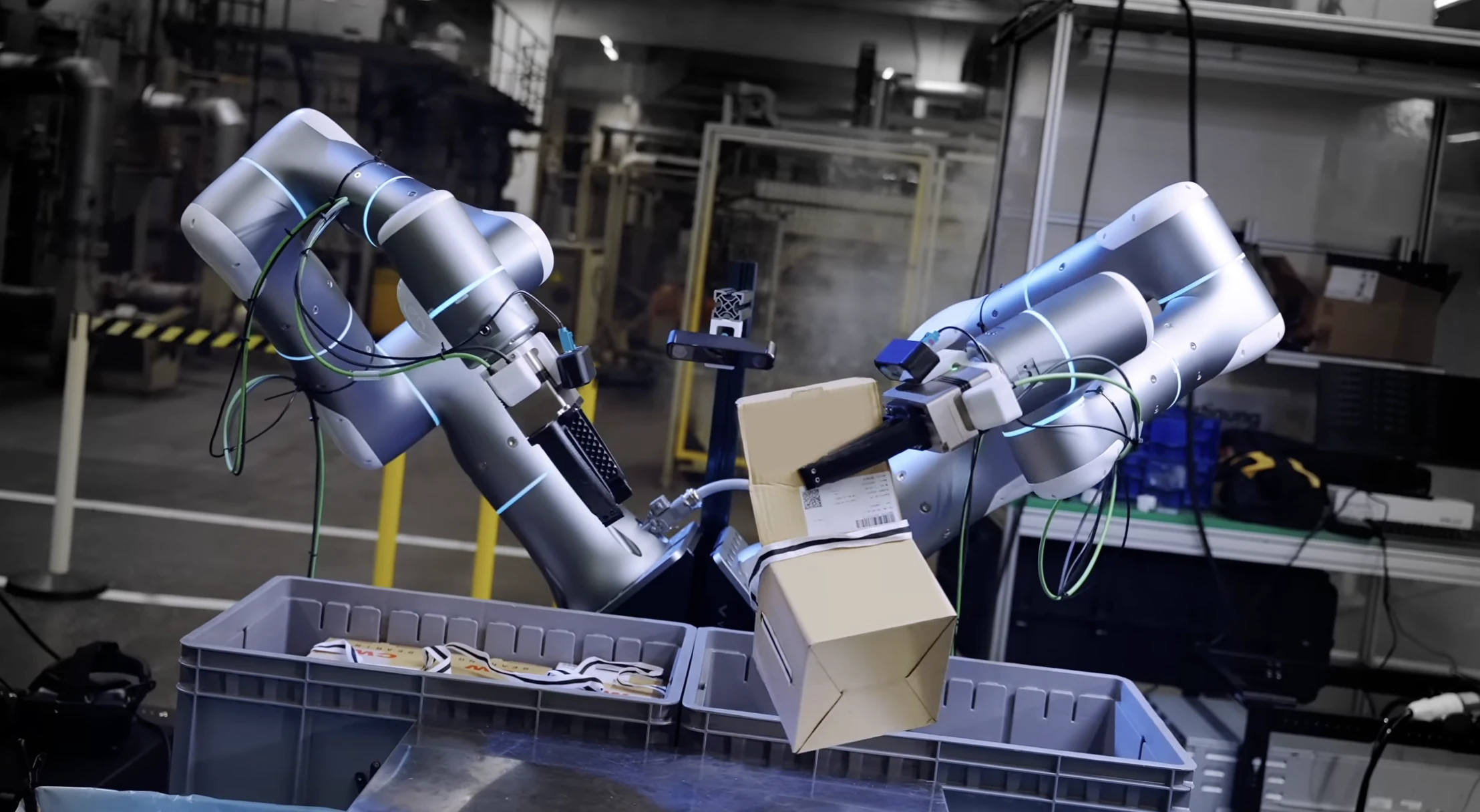
Rhoda AI is developing robotic foundation models that combine visual understanding, physical intelligence, and tactile sensing to help robots perform complex tasks across manufacturing and industrial environments.
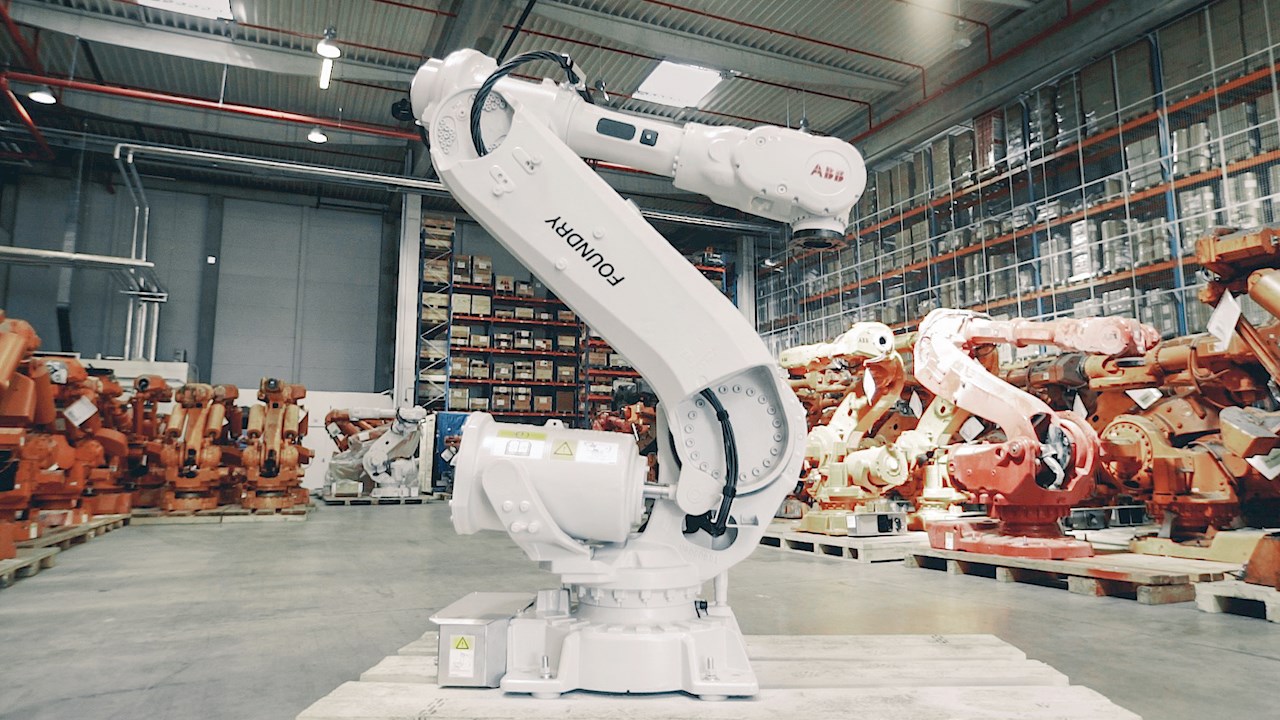
Explore ABB's industrial robots, collaborative automation, autonomous mobile robots, AI-powered applications, and advanced software for manufacturing and logistics.