Dream Cloud

Building a Democratic Technology Cooperative

Exploring new models of democratic participation through sortition, rotating leadership, collective investment, and technology-enabled cooperative governance.

Building a Democratic Technology Cooperative

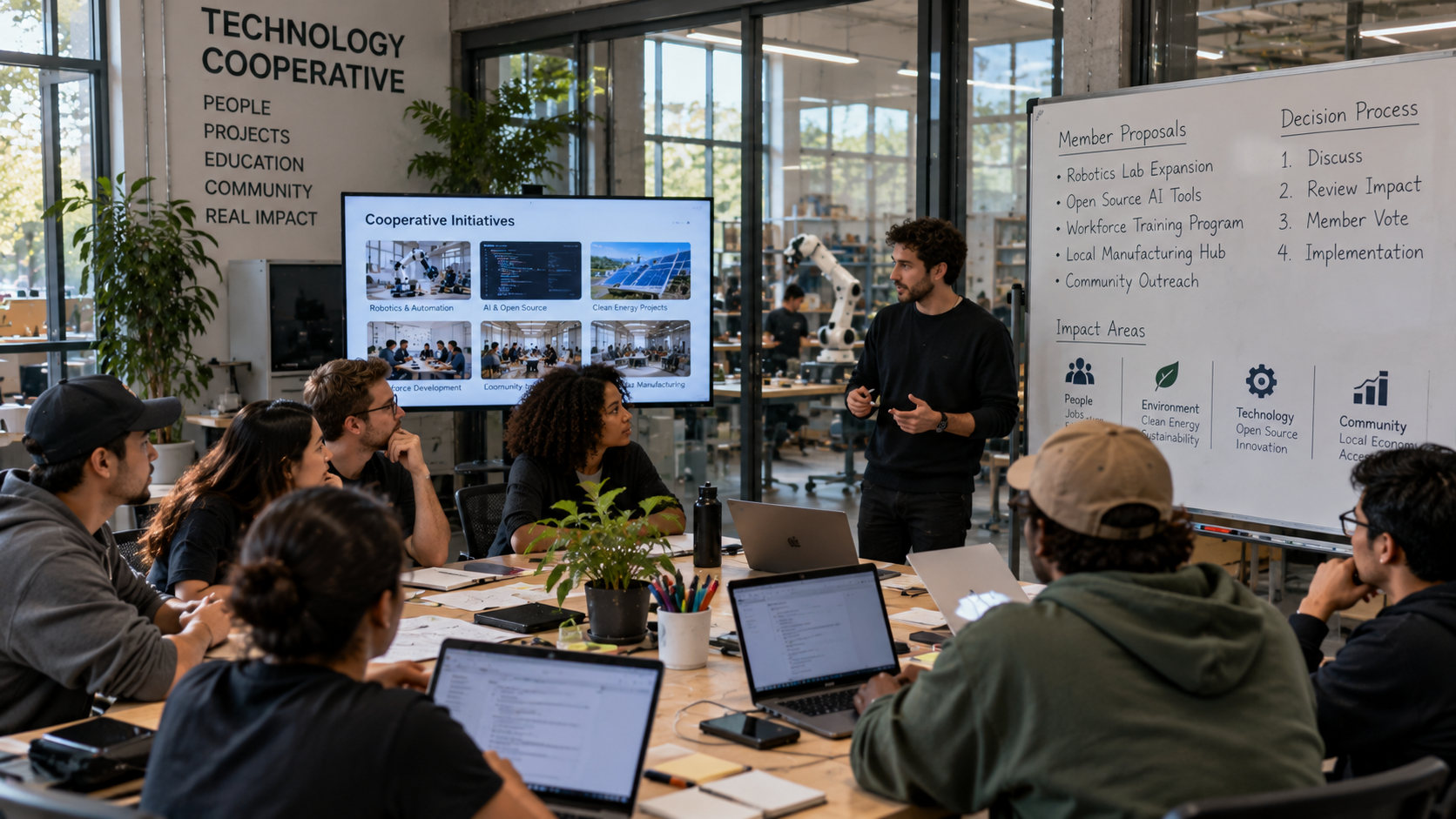
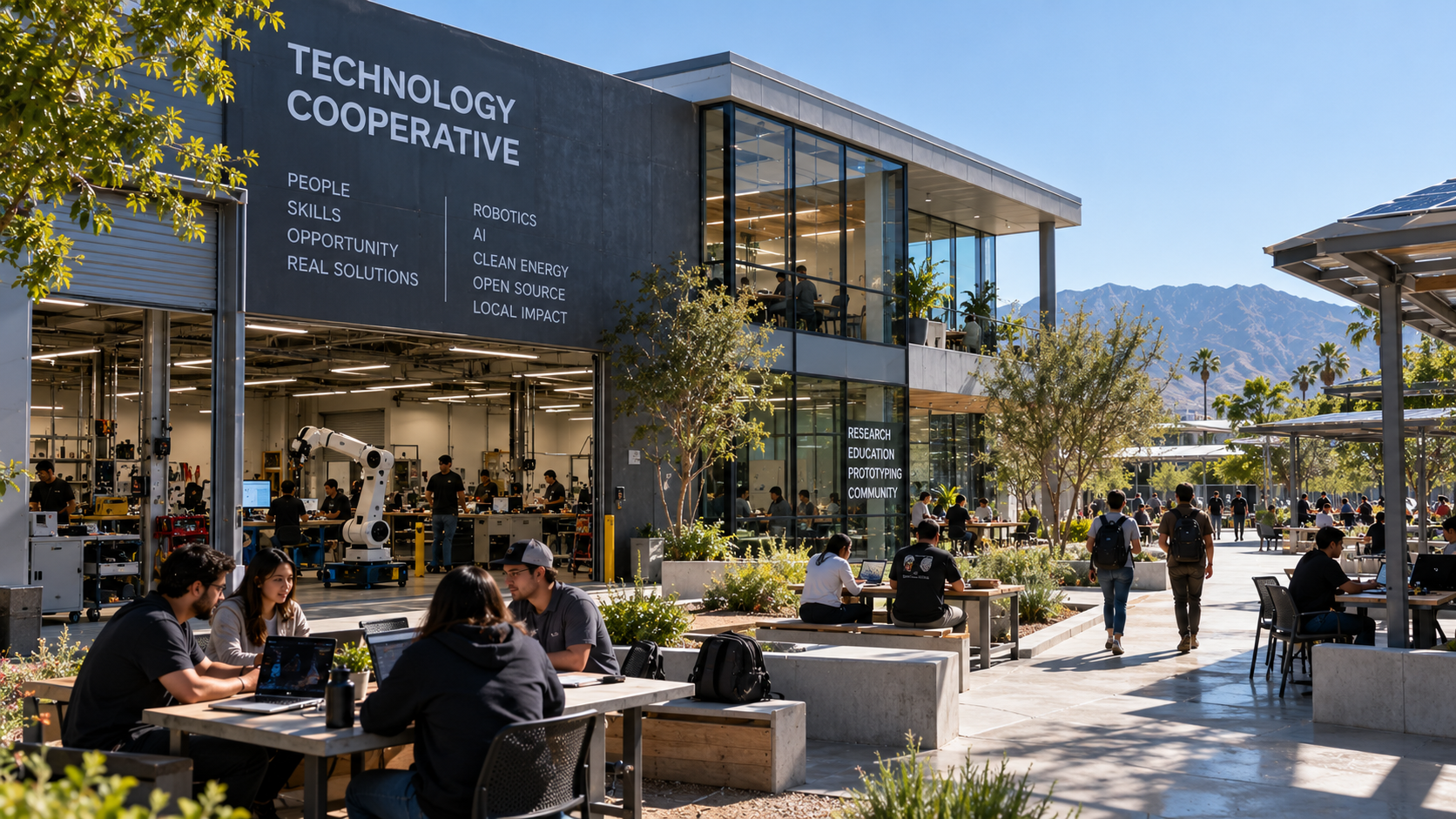
A modern technology cooperative brings together shared workspaces, robotics laboratories, and community resources.

DDream CloudOct 31, 2026

Practicing Democracy Through Technology

Modern technology offers new opportunities to experiment with democratic participation, collective decision-making, and organizational governance. Digital platforms can connect individuals across geographic boundaries, facilitate transparent discussions, coordinate shared resources, and enable communities to participate directly in decisions that shape their collective future.

Rather than treating democracy exclusively as a political system exercised through periodic elections, technology cooperatives can explore democratic governance as an ongoing practice. By developing digital tools for voting, representation, leadership selection, and collaborative planning, these organizations can serve as practical environments for testing new democratic institutions and improving how people organize around shared objectives.

Building a Cooperative Community

A democratic technology cooperative begins by bringing together individuals who share an interest in technological development and collective progress. Software developers, engineers, researchers, technicians, entrepreneurs, educators, and other participants can contribute their knowledge, resources, and experience toward projects that advance both individual opportunity and broader organizational goals.

Membership creates an opportunity to participate in something larger than an individual business or professional network. Through shared responsibilities, democratic representation, and collective investment, members can establish an organization that supports technological innovation while providing a practical foundation for experimenting with new forms of economic cooperation and democratic governance.

Cooperative members collaborate on projects, organizational decisions, and shared development goals.

Sortition and Representative Selection

Sortition is a democratic method of selecting representatives through random selection rather than traditional elections. Historically associated with ancient Athenian democracy and increasingly explored through modern citizens' assemblies, sortition offers an alternative approach to representation that can reduce the influence of campaigning, personal popularity, and entrenched political interests.

Within a technology cooperative, members could volunteer to participate in leadership or governance roles and enter a transparent selection process. Eligible participants would be randomly selected to serve for defined terms, creating opportunities for a wider range of members to contribute to organizational decisions while preventing leadership positions from becoming permanently concentrated among a small group of individuals.

Voluntary Leadership and Rotating Roles

Democratic leadership can be structured around voluntary participation, clearly defined responsibilities, and regular rotation of governing positions. Members interested in serving could register for available roles, complete any necessary training, and participate in a selection process designed to balance equal opportunity with the practical requirements of organizational management.

Rotating leadership positions would allow more members to gain experience in governance, budgeting, project oversight, and institutional decision-making. By establishing term limits, transparent procedures, and mechanisms for accountability, a cooperative could develop a leadership system that distributes responsibility while preserving continuity, professional expertise, and organizational stability.

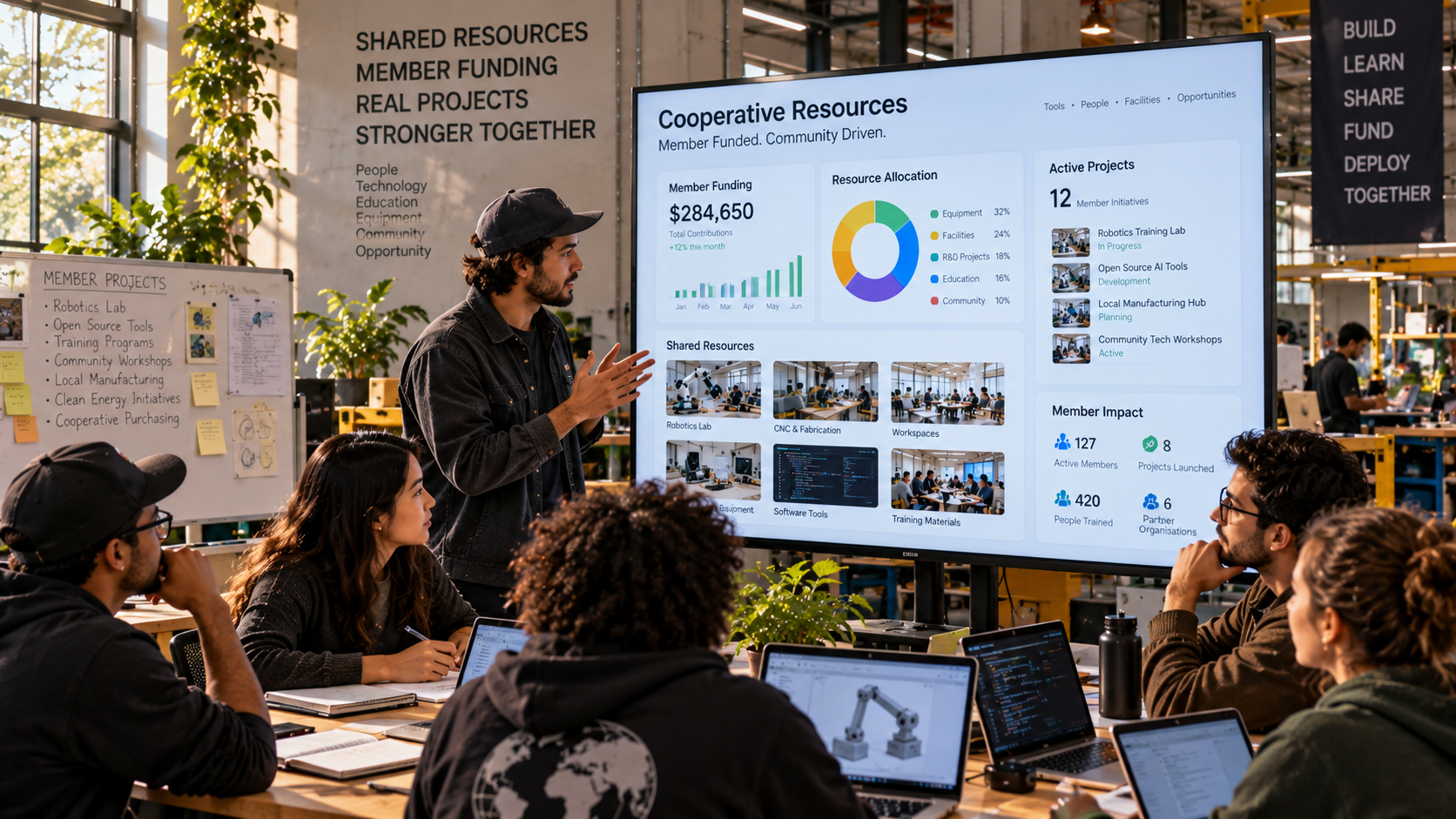
Members collectively fund projects, share resources, and invest in technology development.

Membership Contributions and Shared Resources

One of the greatest advantages of cooperative organization is the ability to combine individual resources into a collective foundation for development. Through membership contributions, shared technical expertise, professional networks, and access to common infrastructure, participants can support projects and initiatives that would be difficult to pursue independently.

Technology makes this coordination increasingly accessible by allowing members to contribute and collaborate regardless of their geographic location. Shared software platforms, development tools, educational resources, and technical facilities can become collective assets that strengthen the organization while reducing costs and expanding opportunities for participation.

Establishing a Democratic Development Fund

A shared development fund could provide the financial foundation for cooperative projects, educational programs, technological research, and new business initiatives. Supported through membership contributions, commercial revenue, voluntary donations, and other funding sources, the fund would allow members to pool resources and direct investment toward objectives that reflect their collective priorities.

Democratic governance could give members opportunities to propose initiatives, review funding requests, examine financial reports, and participate in decisions about resource allocation. Transparent budgeting, independent financial oversight, and clearly established investment procedures would help ensure that collective resources are managed responsibly while allowing the organization to support increasingly ambitious development projects.

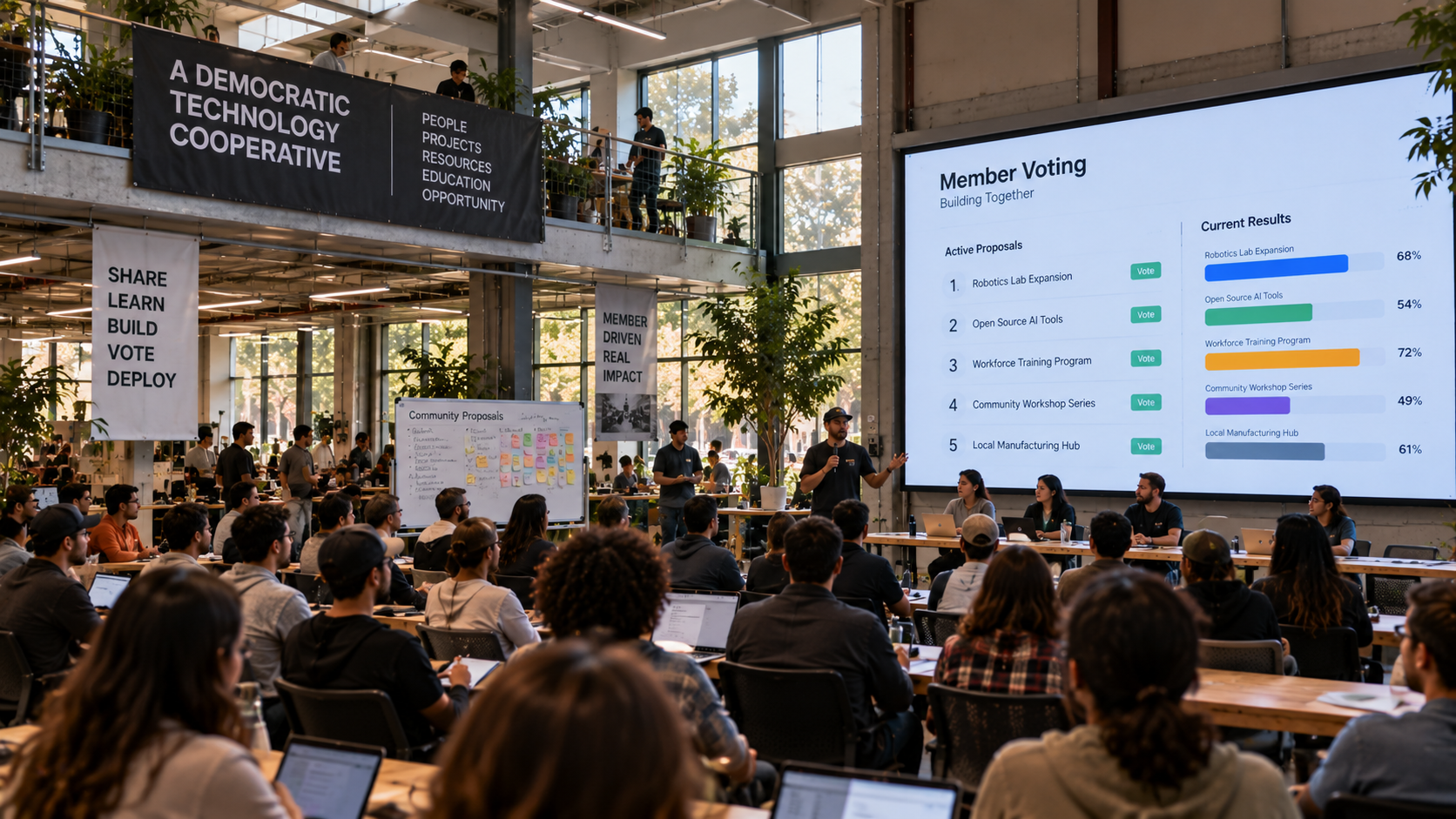
Democratic voting allows cooperative members to participate in decisions about funding, projects, and organizational priorities.

Technology-Enabled Governance

Digital technology provides the infrastructure needed to coordinate democratic participation across organizations with potentially thousands or even millions of members. Through secure online platforms, participants could submit proposals, discuss organizational priorities, vote on major decisions, review financial information, and monitor the activities of their elected or randomly selected representatives.

These systems could also automate administrative processes such as leadership rotation, committee selection, budget tracking, and membership participation. By incorporating transparent procedures, verifiable voting mechanisms, and accessible communication tools, democratic organizations could reduce administrative costs while creating more opportunities for members to remain informed and actively involved in governance.

Balancing Participation with Expertise

Effective democratic governance requires a balance between collective decision-making and the specialized knowledge necessary to manage complex technological organizations. While members should have meaningful influence over institutional priorities, resource allocation, and leadership accountability, technical decisions involving engineering, software architecture, cybersecurity, and operational safety must remain informed by qualified professionals.

A cooperative could address this challenge by establishing distinct responsibilities for governing councils, professional management teams, and specialized technical committees. Democratic representatives would provide oversight and establish organizational objectives, while experienced professionals would manage implementation within clearly defined standards, ensuring that broad participation strengthens rather than undermines institutional effectiveness.

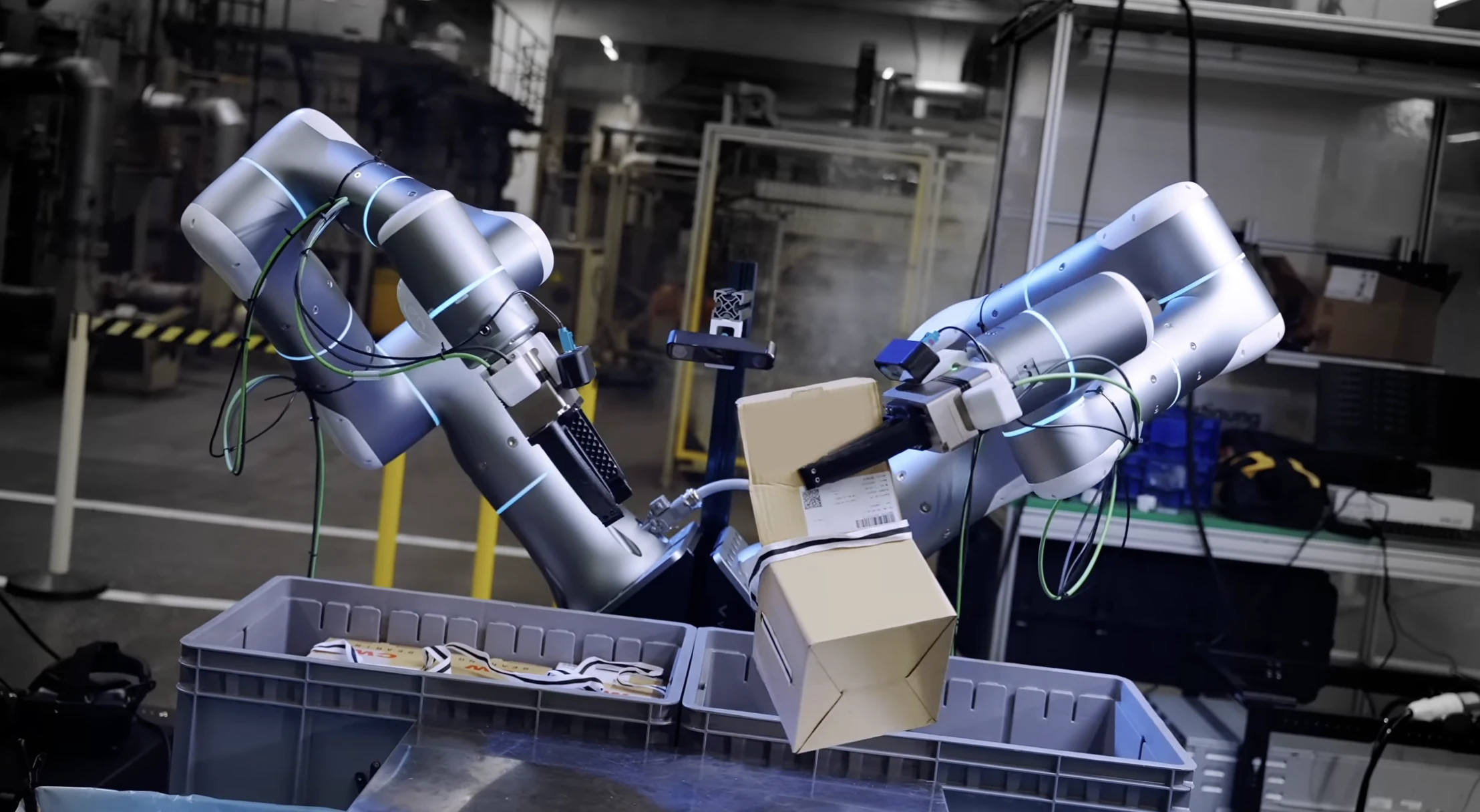
Cooperative members build relationships, share ideas, and enjoy the benefits of working together toward common goals.

From Digital Community to Productive Enterprise

A democratic technology cooperative can begin as an online community organized around shared interests, educational resources, and collaborative projects before expanding into a productive economic institution. By connecting members with technical expertise, development opportunities, and shared resources, the organization can gradually establish commercial activities that generate revenue while supporting its broader democratic mission.

Software development, artificial intelligence services, robotics integration, technical education, and digital infrastructure offer potential areas for cooperative enterprise. Revenue generated through these activities could support operational expenses, compensate participating workers, expand shared facilities, and contribute to collective development initiatives, creating a sustainable relationship between commercial productivity and democratic organization.

Scaling a Democratic Technology Network

As a cooperative grows, maintaining meaningful democratic participation becomes increasingly important and complex. A federated organizational model could allow local chapters, specialized working groups, and independent cooperative enterprises to manage their own activities while participating in shared institutions responsible for broader coordination, funding, and strategic development.

Digital governance platforms could connect these organizations through common membership systems, transparent financial reporting, representative councils, and coordinated development programs. By combining local autonomy with shared resources and democratic accountability, a growing network could demonstrate how technology enables new forms of large-scale cooperation while preserving the participation and representation that define its purpose.

Comments

Log in to leave a comment
No comments yet. Be the first to comment!
Hello!