Dream Cloud

Organizing the Technological Revolution

Building democratic and cooperative institutions to empower technology workers and shape the future of artificial intelligence, robotics, and automation.

Organizing the Technological Revolution

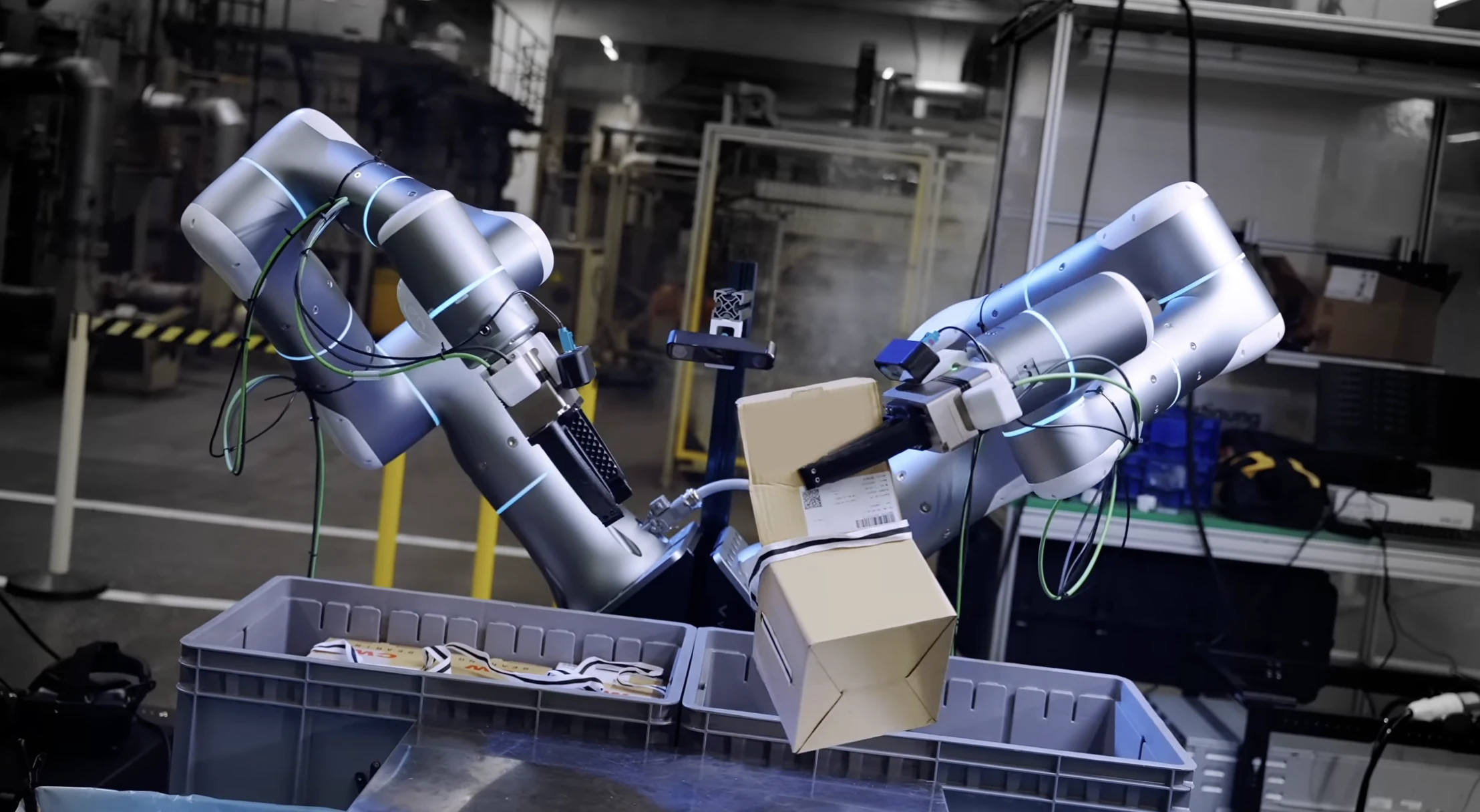
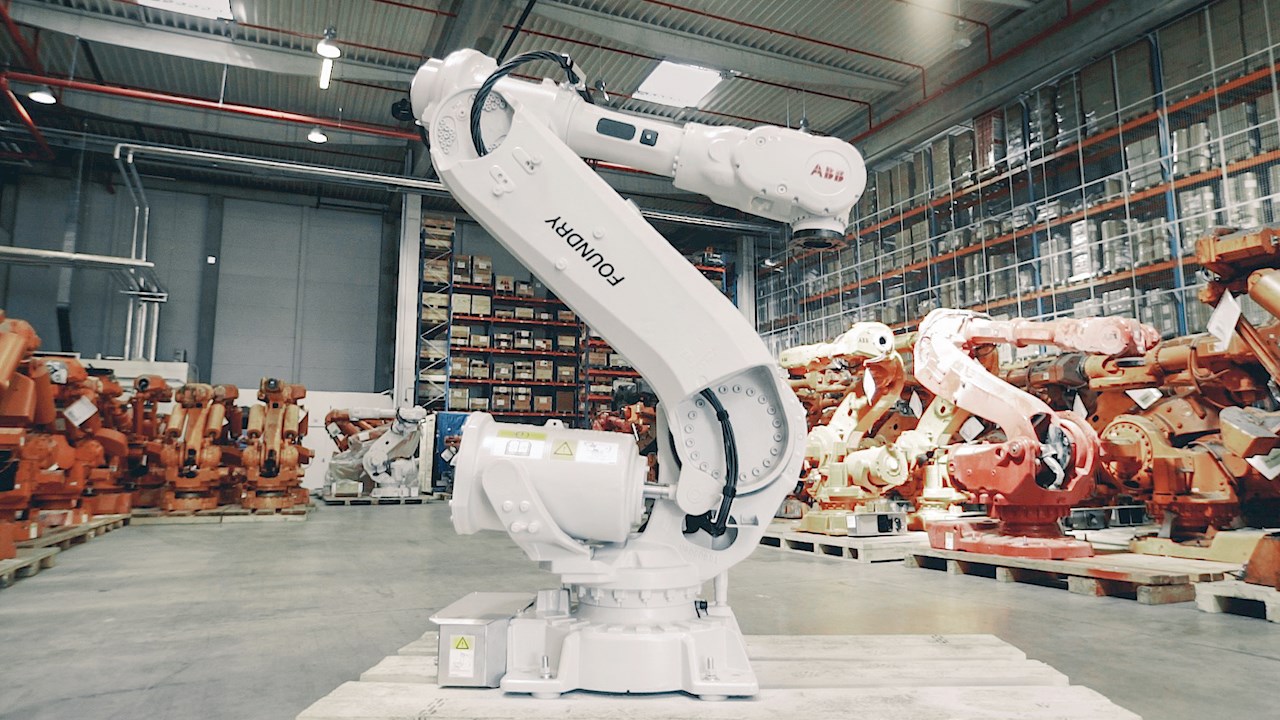
Industrial robotic arm performing automated material handling tasks inside a modern warehouse facility.

DDream CloudOct 31, 2026United States, North America

The Transformation of Work

Artificial intelligence, robotics, and advanced automation are transforming how industries operate, how businesses produce value, and how people participate in the economy. From autonomous manufacturing systems to intelligent software agents, technologies once limited to research laboratories are becoming practical tools across nearly every sector.

These developments present enormous opportunities to improve productivity, reduce repetitive labor, and expand access to essential goods and services. However, technological progress alone does not guarantee that these benefits will be distributed fairly or that workers and communities will have a voice in shaping the systems that increasingly influence their lives.

The People Building the Future

Behind every technological breakthrough is a workforce of engineers, developers, technicians, researchers, designers, and systems integrators. These workers possess the knowledge and practical experience required to develop, deploy, maintain, and improve the technological infrastructure of the modern economy.

Yet their collective influence over the direction of technological development often remains limited by the organizations that employ them and the financial interests guiding investment. Organizing technology workers around shared objectives could create new opportunities to influence not only working conditions, but also the ownership, governance, and social purpose of emerging technologies.

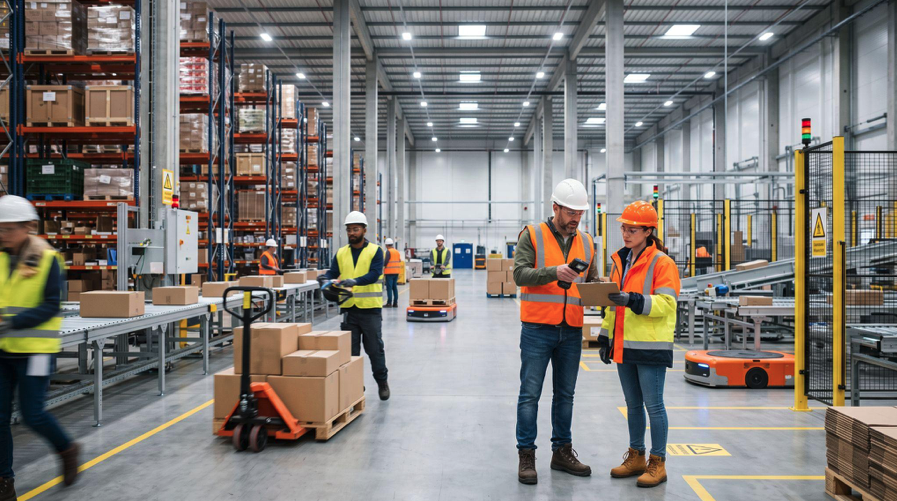
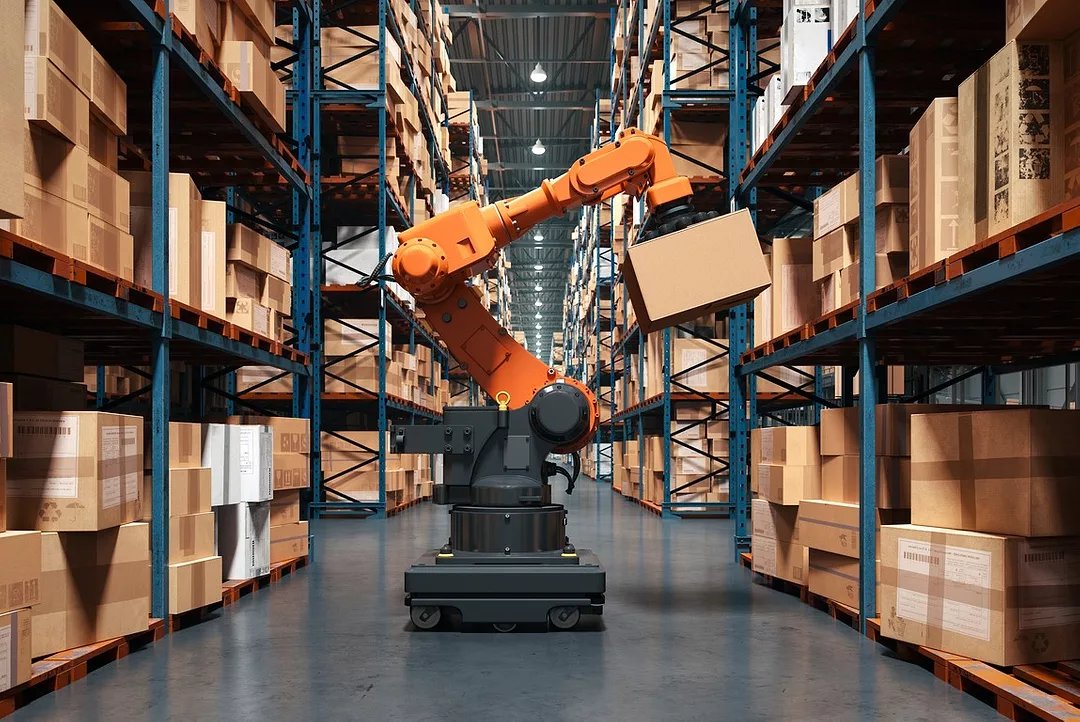
Autonomous mobile robots navigating a warehouse environment to transport materials and support logistics operations.

Beyond Traditional Labor Organization

Traditional labor organizations have played an important role in protecting workers, negotiating compensation, and improving workplace conditions. The technological revolution presents an additional opportunity: organizing workers to participate directly in the development, ownership, and governance of the technologies transforming their industries.

This approach does not require opposition to private enterprise, entrepreneurship, or technological innovation. Instead, it recognizes that workers, businesses, and communities can benefit from institutions that encourage collaboration, shared investment, and meaningful participation in decisions about technological development.

The Cooperative Model

Worker cooperatives offer an established model for organizing productive enterprises around democratic ownership and governance. Through shared ownership, member participation, and accountable leadership, cooperative businesses can align commercial activity with the long-term interests of the people contributing to their success.

These principles can be applied to software development, artificial intelligence, robotics integration, technical services, and other emerging industries. Networks of cooperative technology enterprises could share resources, coordinate projects, develop common infrastructure, and create opportunities for workers to participate in businesses they collectively help build.

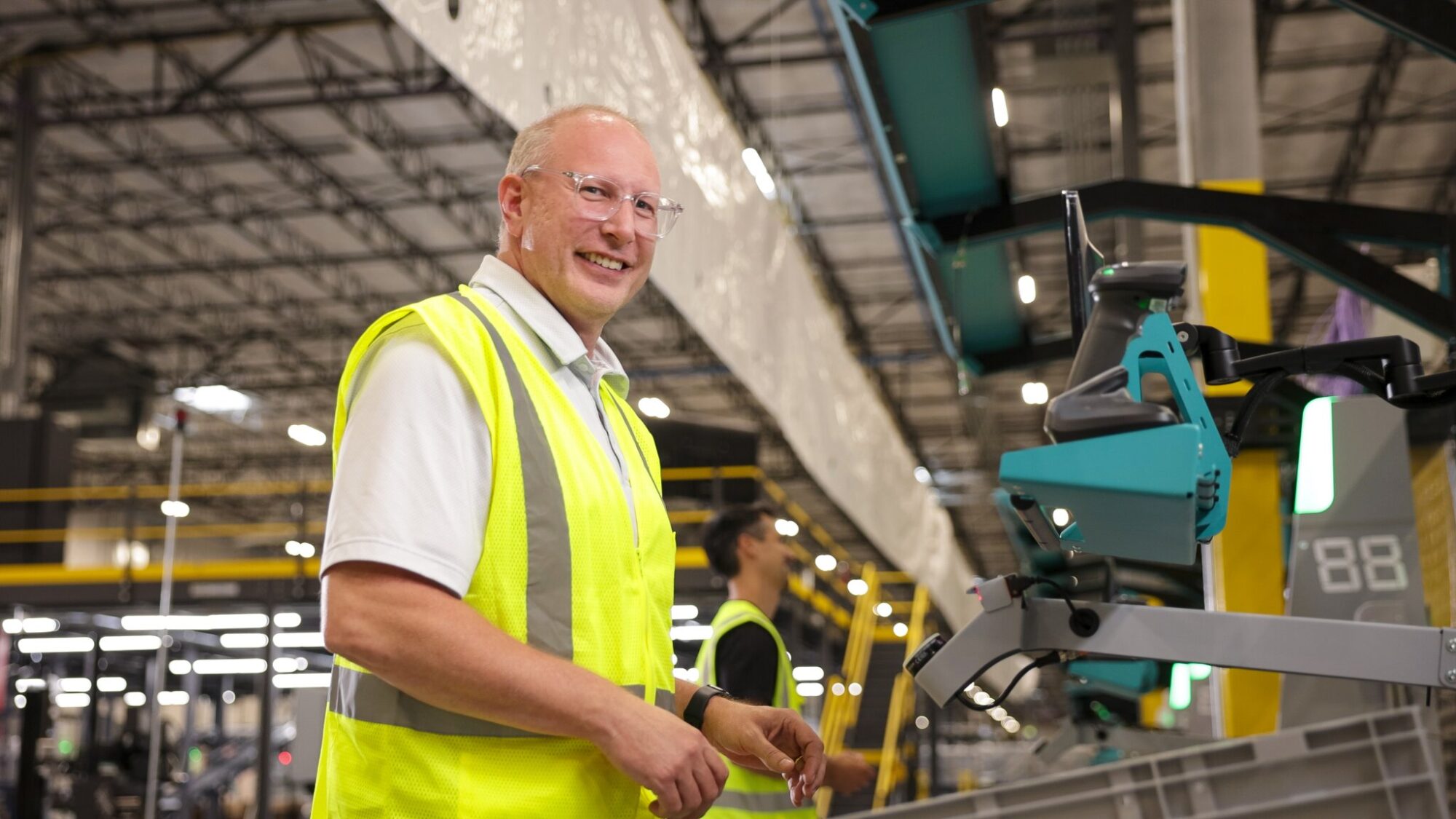
Workers operating alongside advanced robotic systems and automated equipment inside a modern distribution facility.

Ownership and Economic Influence

The development of artificial intelligence, robotics, and advanced computing increasingly depends on access to capital, infrastructure, proprietary data, and specialized technical expertise. These requirements can concentrate technological capabilities within a relatively small number of corporations, giving them significant influence over how new systems are developed, deployed, and made available to society.

Concentrated ownership can accelerate innovation through large-scale investment, but it also raises important questions about economic participation and democratic accountability. When the technologies driving productivity are controlled by a limited number of institutions, the financial benefits of automation may flow disproportionately toward investors and owners rather than the workers and communities contributing to their development.

The Future of Automation

As intelligent machines become capable of performing a wider range of physical and cognitive tasks, the relationship between human labor and economic production is beginning to change. Automation has the potential to reduce operating costs, increase productive capacity, and create entirely new industries, while also disrupting established occupations and changing the skills required to participate in the workforce.

The central challenge is not whether society should continue developing these technologies, but how their economic and social benefits should be managed and distributed. Democratic and cooperative institutions offer an opportunity for workers to participate in technological ownership and decision-making, helping ensure that rising productivity contributes to broader prosperity rather than simply increasing the concentration of wealth and economic power.

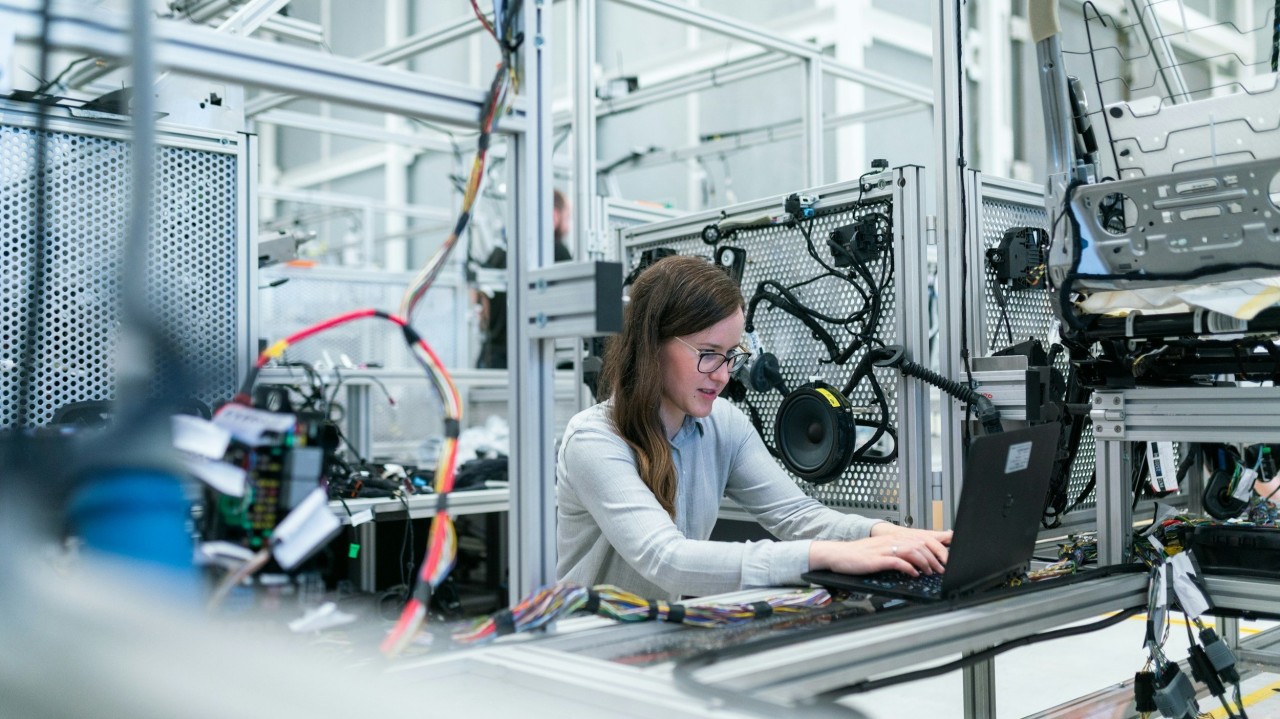
Technician working at an industrial automation station to monitor and manage automated production processes.

Connecting Workers Across Industries

The technological workforce extends far beyond software developers and engineers, encompassing robotics technicians, automation specialists, researchers, designers, manufacturers, educators, and countless other professionals. As artificial intelligence and automation become integrated across industries, these workers increasingly share common challenges and opportunities, creating the foundation for a broader movement organized around technological development.

Building connections across these fields can encourage collaboration, knowledge sharing, and collective participation in emerging industries. A democratic technology organization could provide a common platform where workers exchange expertise, develop projects, establish professional networks, and coordinate efforts to influence the future of technology.

Education, Employment, and Opportunity

The rapid evolution of technology is creating demand for new technical skills while making continuous education increasingly important for workers at every stage of their careers. However, access to training, apprenticeships, professional networks, and employment opportunities remains fragmented, making it difficult for many people to identify practical pathways into growing industries.

Cooperative technology organizations could help bridge these gaps by connecting education directly with industry participation and real-world development projects. Through accessible learning resources, mentorship, technical training, and partnerships with employers, these organizations could create pathways for individuals to develop valuable skills, contribute to emerging technologies, and participate in the economic opportunities they generate.

Technician programming and configuring an industrial automation system for efficient operation and control.

Democratic Technology Systems

Techno-Democracy is the principle that technological systems should be developed and governed with meaningful participation from the people who build, operate, and depend on them. As artificial intelligence, robotics, and digital infrastructure become increasingly important to economic and social life, democratic oversight can help align technological development with the broader interests of society.

Democratic governance does not require every technical decision to be determined by popular vote or specialized expertise to be replaced by collective opinion. Instead, it involves creating transparent and accountable institutions where workers, users, and communities can participate in strategic decisions while allowing qualified professionals to manage the technical responsibilities of development and operation.

Networks of Cooperative Enterprises

Individual technology cooperatives can provide democratic ownership and governance within their organizations, but networks of cooperating enterprises offer opportunities to operate at a much larger scale. By sharing technical resources, research, infrastructure, and commercial opportunities, independent cooperatives could collaborate on projects that might otherwise require the resources of a large corporation.

These networks could support everything from software development and artificial intelligence services to robotics manufacturing, systems integration, and industrial automation. Through federated structures and shared institutions, cooperative enterprises could preserve local autonomy while coordinating investment, developing common standards, and building technological infrastructure that benefits their members and the communities they serve.

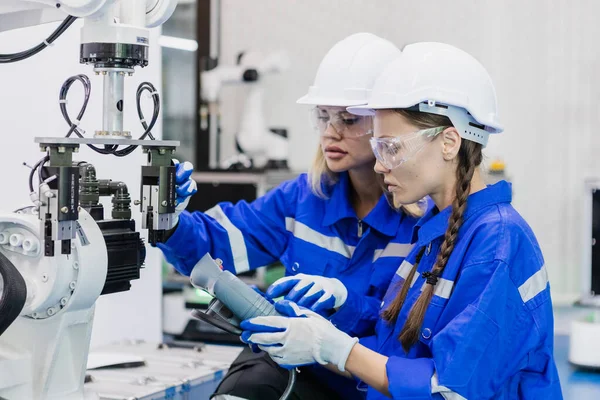
Experienced technician providing hands-on instruction to a student learning about robotics and industrial automation.

Human, Urban, and Technological Development

Developism is an emerging economic and social philosophy that places human, urban, and technological development at the center of societal progress. Rather than measuring success primarily through the accumulation of capital, it emphasizes improvements in human capability, productive infrastructure, scientific advancement, and the quality of life experienced by individuals and communities.

Human Development focuses on education, healthcare, employment, and individual opportunity, while Urban Development addresses housing, transportation, infrastructure, and the environments in which people live and work. Technological Development advances scientific research, industrial capabilities, automation, and emerging technologies, creating a framework in which each area supports and strengthens the others.

Sharing the Benefits of Innovation

Technological progress has the potential to dramatically increase society's productive capacity, making essential goods and services more accessible while reducing the amount of human labor required to produce them. However, realizing these benefits broadly requires economic institutions and public policies that connect rising productivity with improvements in living standards, economic security, and opportunity.

Developism encourages the development of systems that reinvest technological gains into people, communities, and future productive capabilities. Democratic technology organizations, cooperative enterprises, workforce development programs, and public infrastructure initiatives can all contribute to this objective, helping transform technological advancement into measurable improvements in human prosperity and collective well-being.

A vision of a modern city shaped by technological innovation, sustainable development, and improved urban living.

From Shared Ideas to Working Institutions

Transforming these ideas into meaningful progress requires more than philosophical agreement or political advocacy. It requires building practical institutions that connect technology workers, support cooperative enterprises, develop educational opportunities, and participate directly in the creation and deployment of emerging technologies.

These organizations can begin with relatively simple initiatives, including professional networks, shared research, open educational resources, and collaborative software projects. As membership and resources grow, they can expand into commercial services, cooperative businesses, research facilities, and larger technological development programs that demonstrate the practical value of democratic organization.

The Role of Dream Cloud

Dream Cloud is working to establish a democratic and cooperative technology organization in the United States, bringing together workers, developers, researchers, and entrepreneurs around a shared commitment to technological progress. By combining technology integration, software development, robotics, education, and cooperative organization, the initiative aims to create opportunities for people to participate directly in building the next generation of technological systems.

Our long-term vision is to help establish a growing network of people and institutions capable of advancing technology while promoting democratic participation, economic opportunity, and human development. The technological revolution is already underway, but its direction is not predetermined, and the people building the future have an opportunity to organize around a common purpose that extends far beyond any single company or industry.

Comments

Log in to leave a comment
No comments yet. Be the first to comment!
Hello!