
Operationsproduct
Bubble AI — Agentic Business Automation
A unified AI platform that connects intelligent agents, business communications, shared memory, and automated workflows to streamline operations across your organization.
80
Explore how Addverb FlowT combines autonomous navigation, intelligent pallet detection, and robotic lifting technology to automate pallet transportation, warehouse storage, and material handling operations.
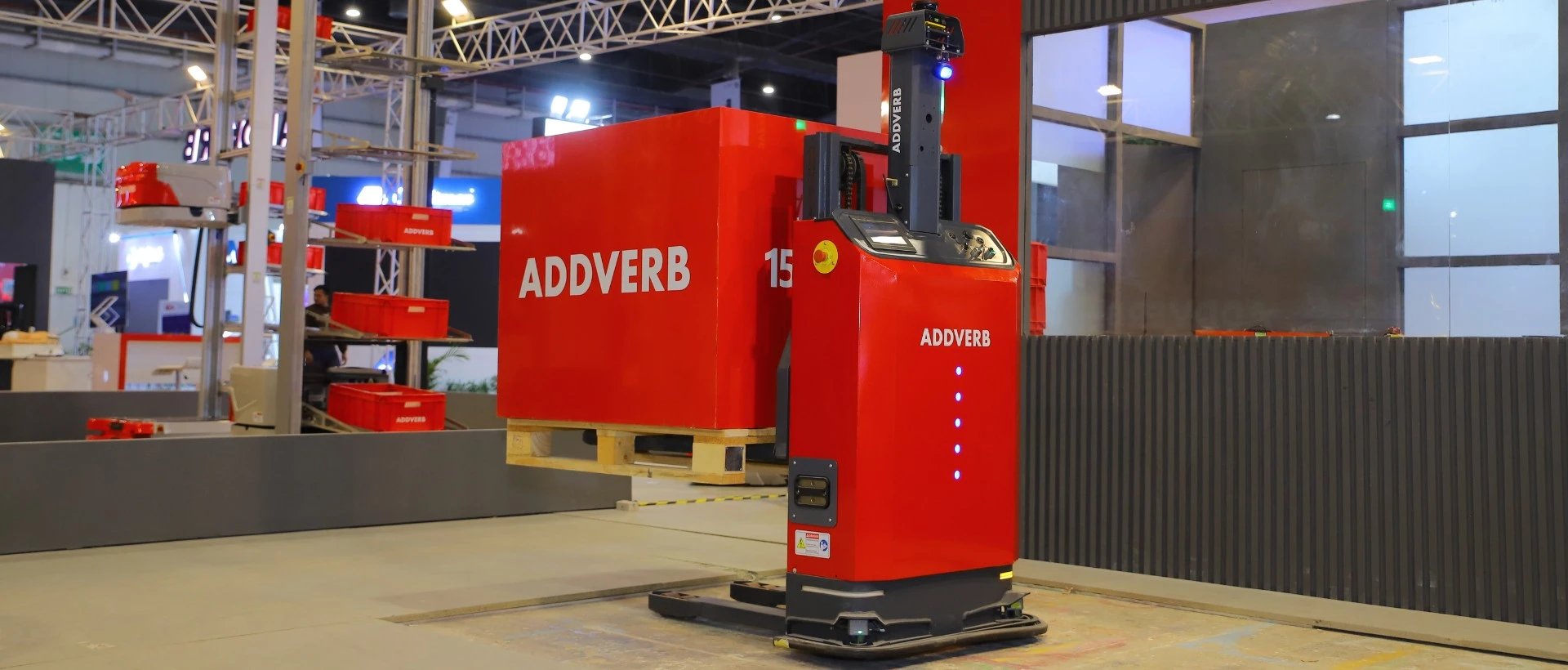
Addverb FlowT autonomously transports palletized goods throughout warehouse facilities.
Addverb is a warehouse automation and robotics company specializing in intelligent material handling systems for manufacturing facilities, distribution centers, and logistics operations. Its product portfolio includes autonomous mobile robots, automated storage and retrieval systems, robotic sorters, and warehouse management software. Among its mobile robotics solutions is FlowT, an autonomous forklift designed to transport, lift, and position palletized goods throughout warehouse environments. By combining conventional forklift functionality with autonomous navigation technology, FlowT enables facilities to automate repetitive pallet movements without requiring a human operator to drive the vehicle.
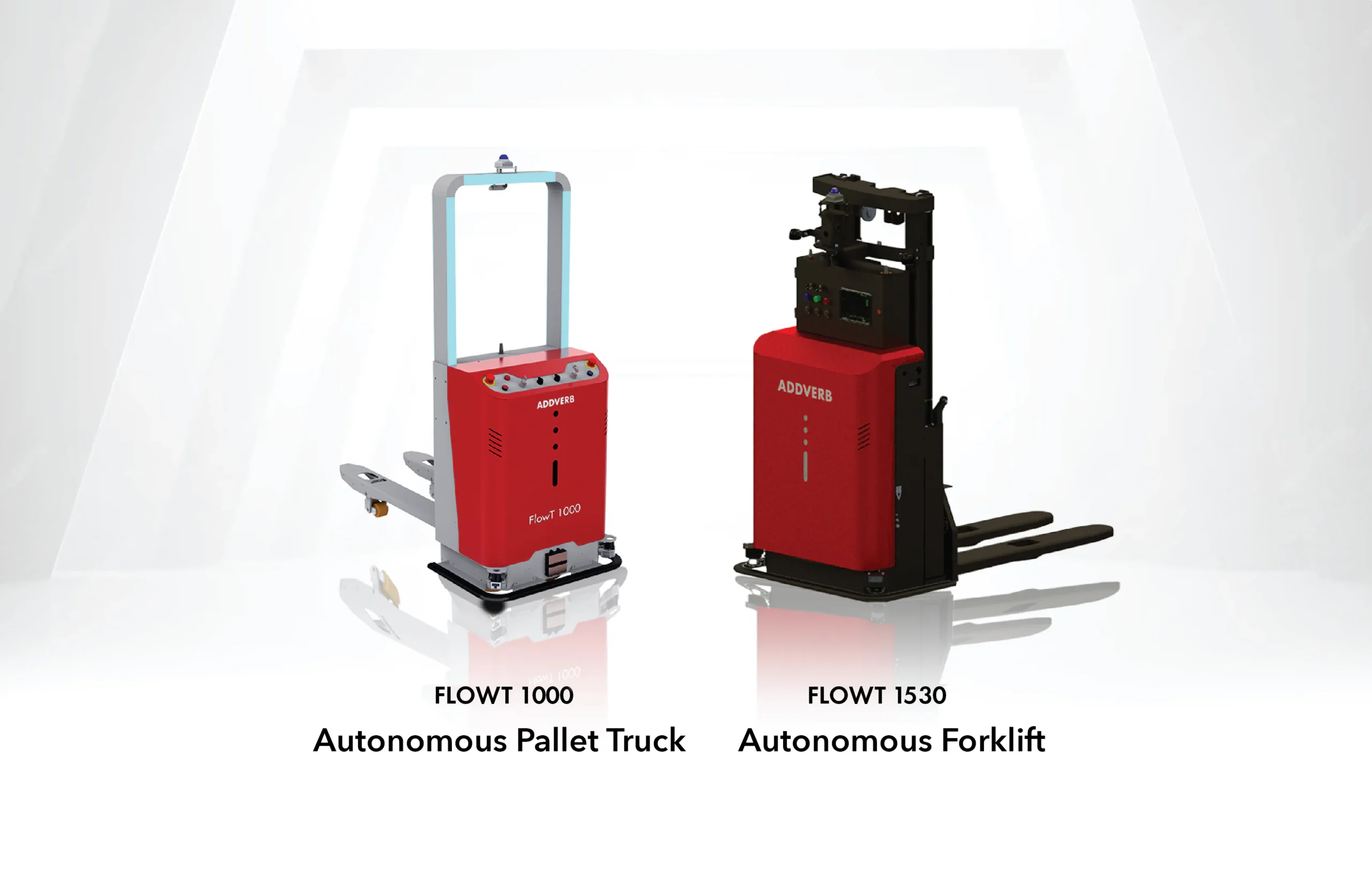
FlowT is available in multiple configurations to accommodate different payload capacities and lifting requirements. The FlowT 1000 and 2000 variants support payloads of up to 1,000 and 2,000 kilograms, respectively, while lifting configurations are available for handling pallets at different elevations. The system uses a battery-powered mobile platform equipped with lifting forks, LiDAR sensors, and intelligent navigation software. It is designed to retrieve pallets from receiving areas, transport them between warehouse zones, and place them at designated storage or processing locations.
Pallet transportation is a fundamental part of warehouse operations, connecting incoming shipments with storage locations, production areas, order picking stations, and outbound shipping docks. Traditionally, these movements are performed by forklift operators who repeatedly travel between designated locations to collect and deliver loads. Although conventional forklifts provide flexibility, repetitive transportation tasks can consume significant labor resources, particularly in large facilities where pallets must travel substantial distances between receiving docks and storage areas.
FlowT addresses these requirements through autonomous pallet handling that combines navigation, lifting, and placement in a single robotic vehicle. The forklift can collect pallets from floor-level positions, transport them through warehouse aisles, and deliver them to designated locations without continuous manual control. Depending on the model and lifting configuration, FlowT can also place pallets onto storage racks or retrieve them for subsequent processing. This capability allows warehouse operators to automate both horizontal transportation and selected vertical storage activities while maintaining compatibility with conventional pallet handling infrastructure.
FlowT uses LiDAR-based simultaneous localization and mapping, commonly known as SLAM, to navigate warehouse environments. Its sensors collect information about surrounding structures, obstacles, and travel paths, allowing the forklift to determine its position and move toward assigned destinations. Unlike traditional automated guided vehicles that depend on fixed floor markers or predetermined guidance tracks, FlowT can navigate using mapped warehouse environments and dynamically adjust its route when obstacles are detected. This flexibility is particularly valuable in facilities where personnel, forklifts, and other material handling equipment share operating spaces.
The system also incorporates camera-based pallet detection technology to identify and approach loads accurately. Its perception and control software coordinate the forklift's position with the location of pallet openings, allowing the forks to align with the load before lifting. Addverb specifies navigation accuracy of approximately ±50 millimeters and docking accuracy of approximately ±20 millimeters for FlowT. These capabilities support automated pallet pickup and placement while reducing the need for operators to manually position loads before transportation.
FlowT combines autonomous movement with an integrated lifting mechanism that enables it to handle pallets at different heights. Its hydraulic lifting system and configurable forks accommodate a range of warehouse handling requirements, including floor-level pallet transfers, conveyor interfaces, and supported storage rack applications. Addverb offers configurations with lifting heights reaching approximately three meters, depending on the model. The forklift can travel at speeds of up to 1.5 meters per second, while its battery system supports operating periods of up to eight hours under specified conditions.
For warehouse integration, FlowT can operate as part of a coordinated robotic fleet managed through Addverb's fleet management software. The system assigns transportation tasks, coordinates robot movements, and helps manage traffic between operating zones. FlowT can also work alongside automated storage systems, pallet conveyors, and warehouse execution software to connect receiving, storage, and outbound operations. This integration allows facilities to coordinate pallet movements with inventory requirements and downstream material handling equipment rather than operating autonomous forklifts as isolated machines.
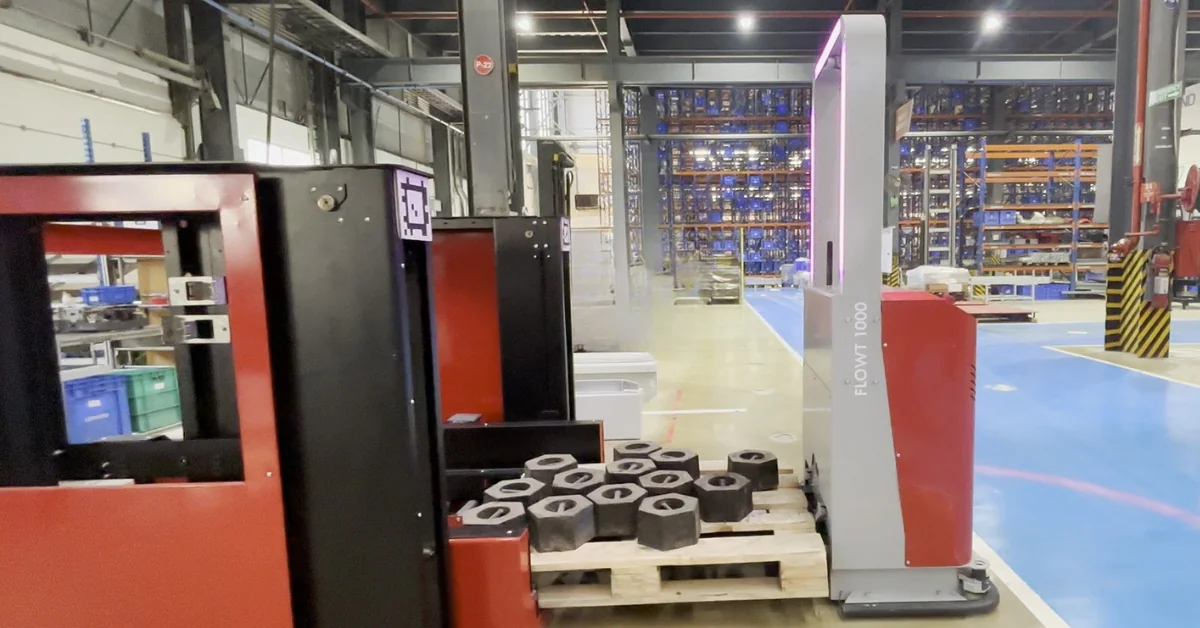
FlowT is designed for warehouses and distribution centers that regularly transport palletized merchandise between multiple operating areas. At receiving docks, the forklift can collect pallets and transport them to storage locations or designated processing stations. In supported rack configurations, it can lift pallets into storage positions and retrieve them when inventory is required. The system can also deliver pallets to picking stations where warehouse employees remove cartons or individual products before the remaining inventory is returned to storage. These applications make FlowT suitable for retail distribution, consumer goods logistics, manufacturing supply chains, and third-party logistics operations.
Another important application is coordinating pallet transportation with automated storage and retrieval systems. Addverb has demonstrated workflows in which FlowT transfers incoming pallets from receiving docks to storage interfaces, where its Cruiser 360 four-way pallet shuttle handles high-density storage operations. When inventory is needed, the process can operate in reverse, with pallets retrieved from storage and transferred to FlowT for delivery to outbound staging areas. This combination illustrates how autonomous forklifts can connect different warehouse automation technologies and support continuous material movement between receiving, storage, and shipping.
FlowT offers several potential operational advantages by automating repetitive pallet transportation tasks. Its autonomous navigation reduces the need for forklift operators to perform routine movements between fixed warehouse locations, allowing personnel to concentrate on inventory management, equipment supervision, and more complex handling activities. The ability to transport loads weighing up to 2,000 kilograms makes the system suitable for heavy palletized merchandise, while its configurable lifting capabilities extend its usefulness beyond basic floor-to-floor transportation. Automated task scheduling can also improve coordination between receiving docks, storage areas, and outbound operations.
Workplace safety is another important consideration in autonomous forklift deployment. FlowT incorporates LiDAR, obstacle detection sensors, and safety controls designed to recognize nearby personnel and equipment. Its navigation system can slow or stop the vehicle when obstacles enter designated safety zones, helping reduce collision risks in shared warehouse environments. The robot also supports automated charging, allowing facilities to coordinate battery replenishment with operational schedules. By combining intelligent navigation, robotic lifting, and fleet management, FlowT demonstrates how conventional forklift operations can be transformed into coordinated automated workflows that support modern warehouse receiving and storage systems.
A unified AI platform that connects intelligent agents, business communications, shared memory, and automated workflows to streamline operations across your organization.
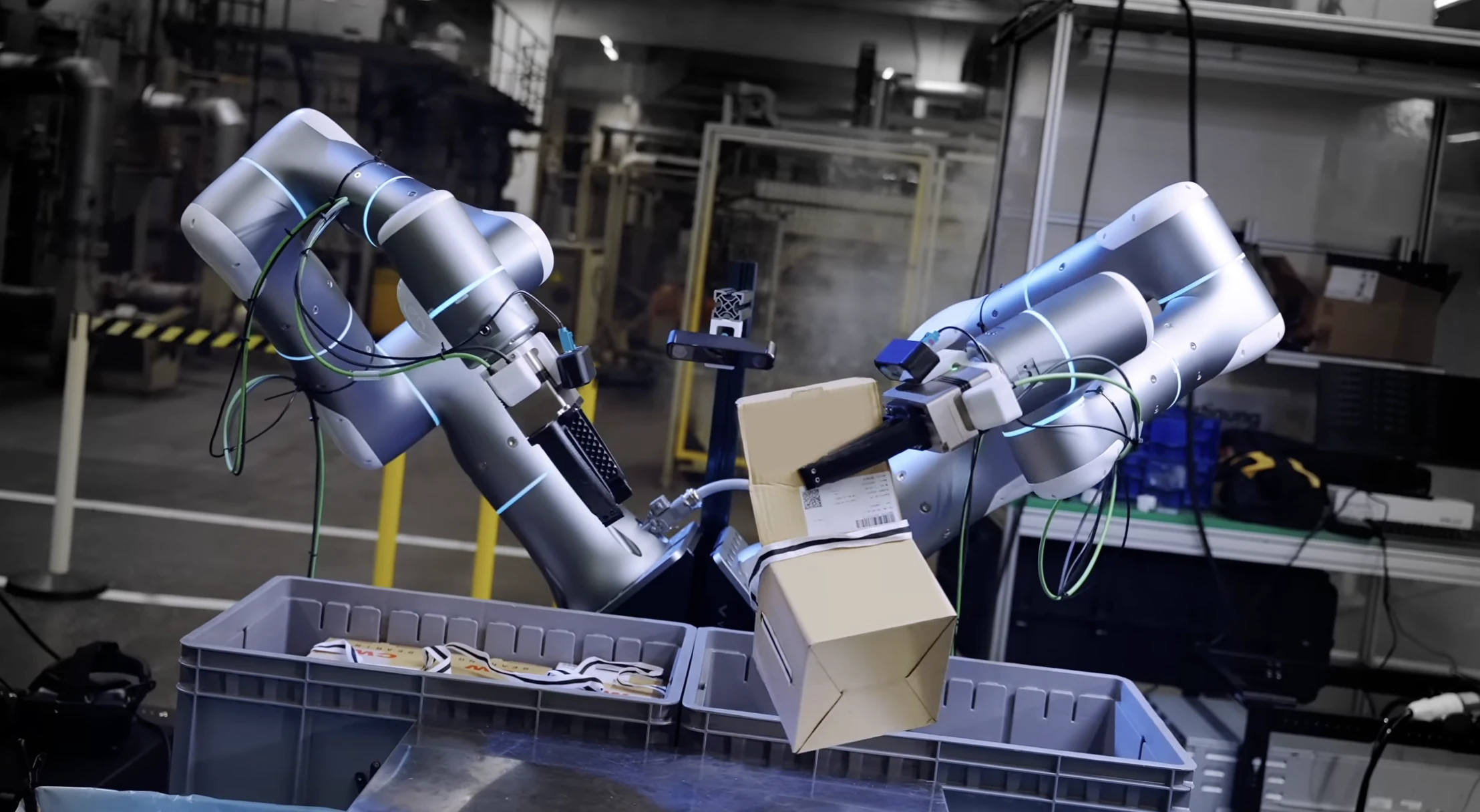
Rhoda AI is developing robotic foundation models that combine visual understanding, physical intelligence, and tactile sensing to help robots perform complex tasks across manufacturing and industrial environments.
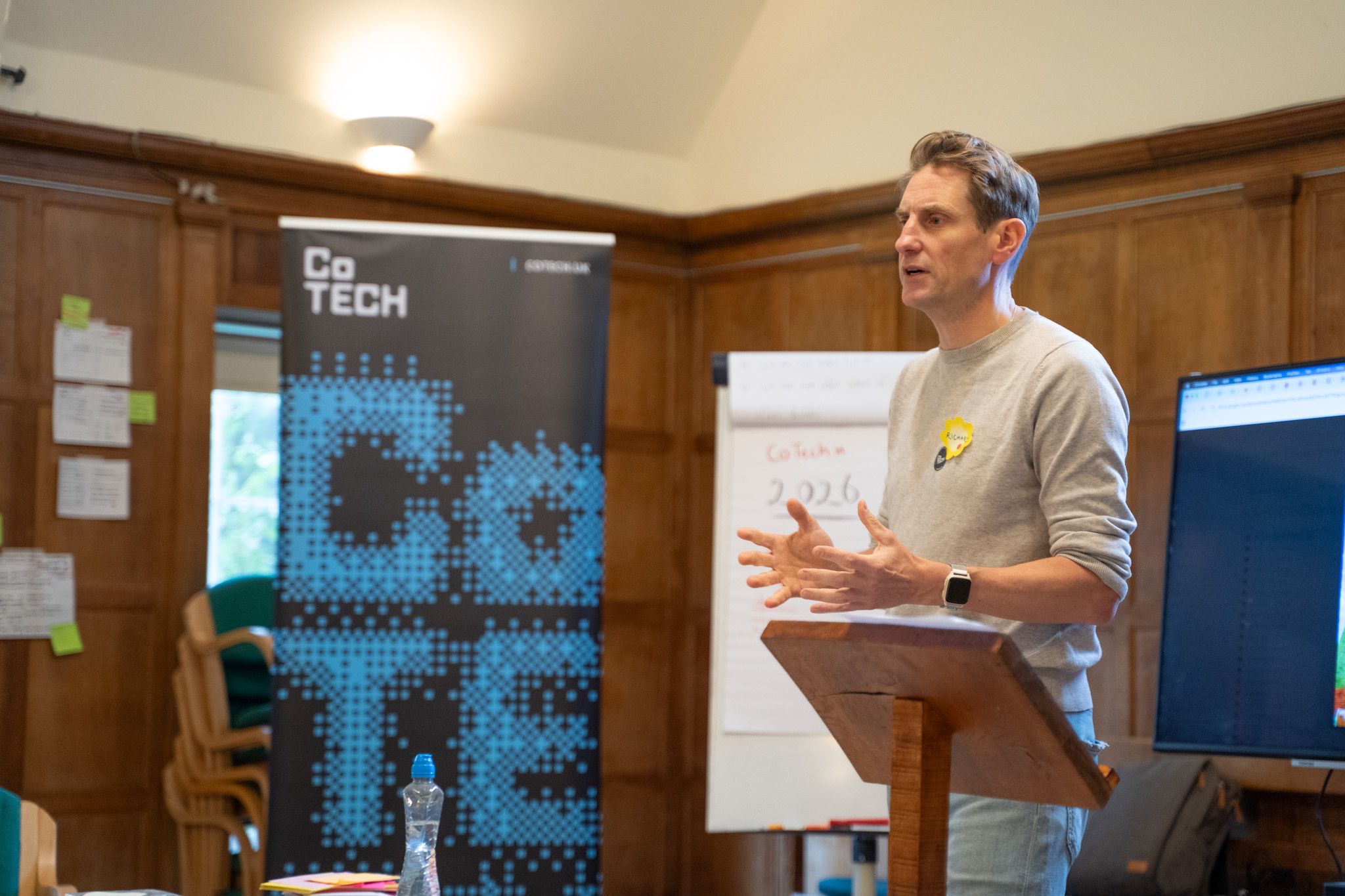
An examination of how the UK's Cooperative Technologists network connects worker-owned technology businesses, shares resources, and uses democratic governance to build an alternative model for the digital economy.
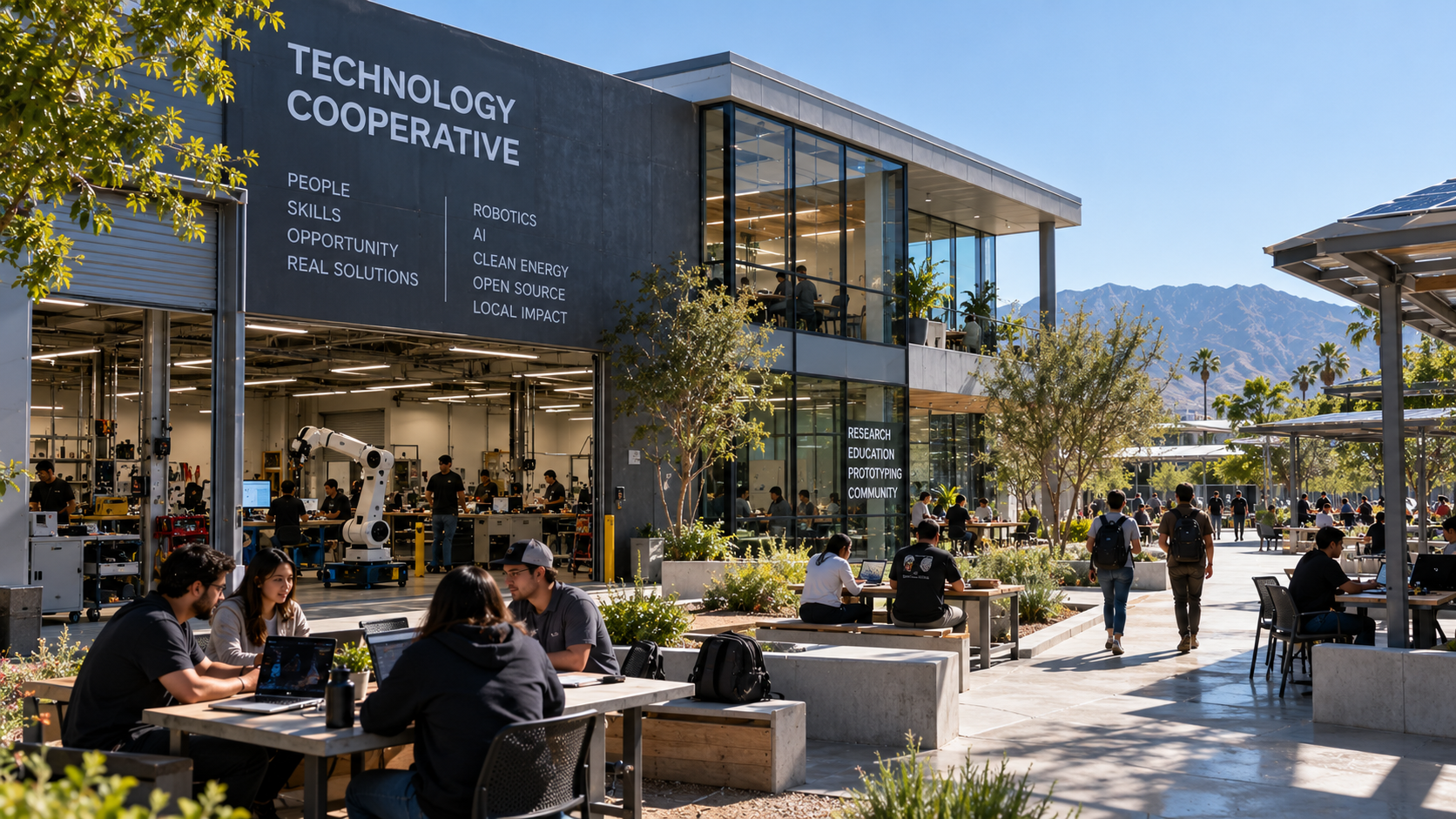
Exploring new models of democratic participation through sortition, rotating leadership, collective investment, and technology-enabled cooperative governance.

An exciting head-to-head competition where humanoid robots tackle real-world challenges, showcasing the latest advances in robotics, artificial intelligence, and autonomous technology.
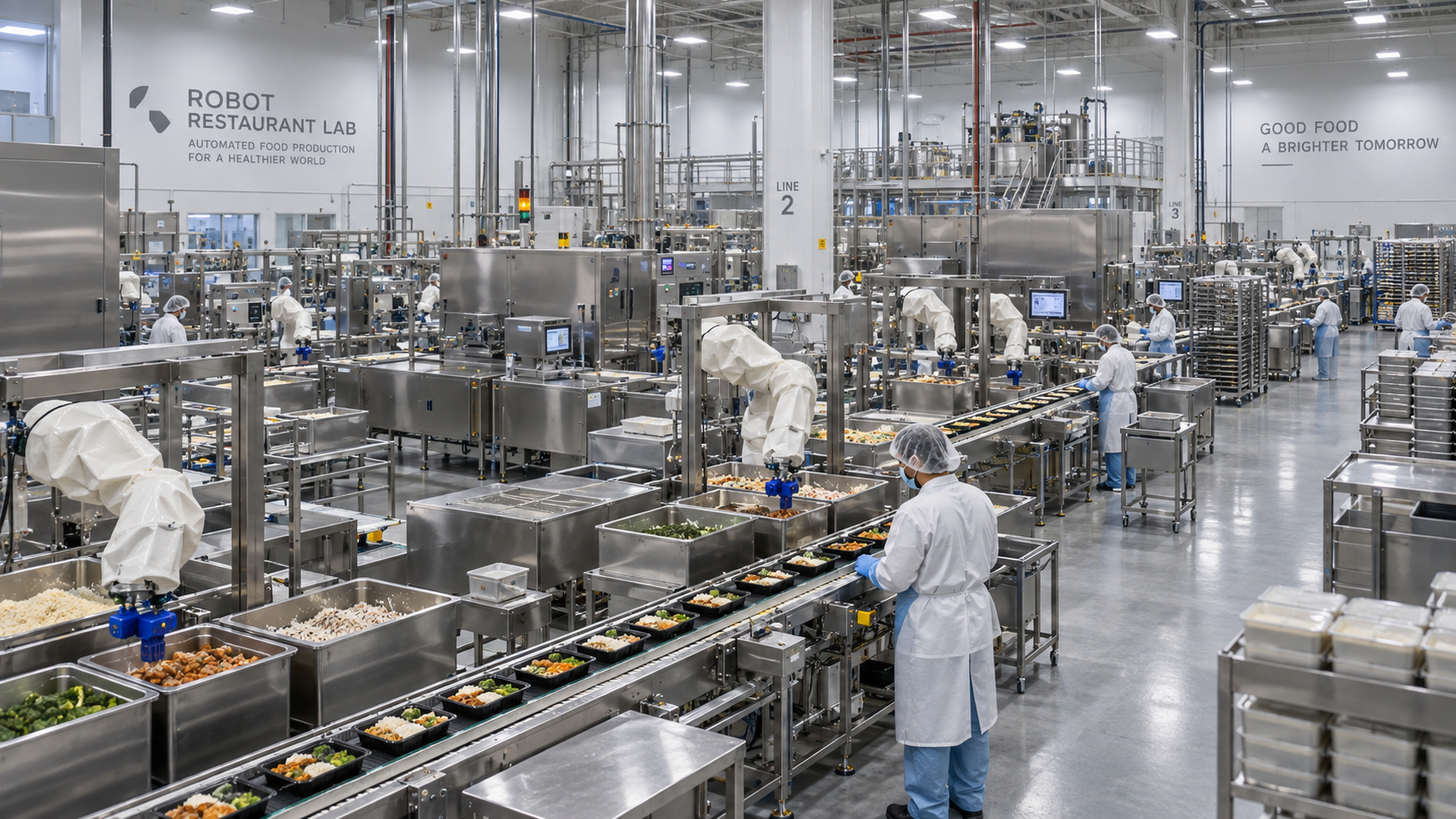
Developing highly automated food production facilities that combine robotics, industry expertise, and regional partnerships to reduce costs and supply prepared food at commercial scale.