
Operationsproduct
Bubble AI — Agentic Business Automation
A unified AI platform that connects intelligent agents, business communications, shared memory, and automated workflows to streamline operations across your organization.
80
Explore how CASI's automated decanting technology streamlines warehouse receiving by transferring products from incoming cartons into storage totes for automated fulfillment and inventory management.
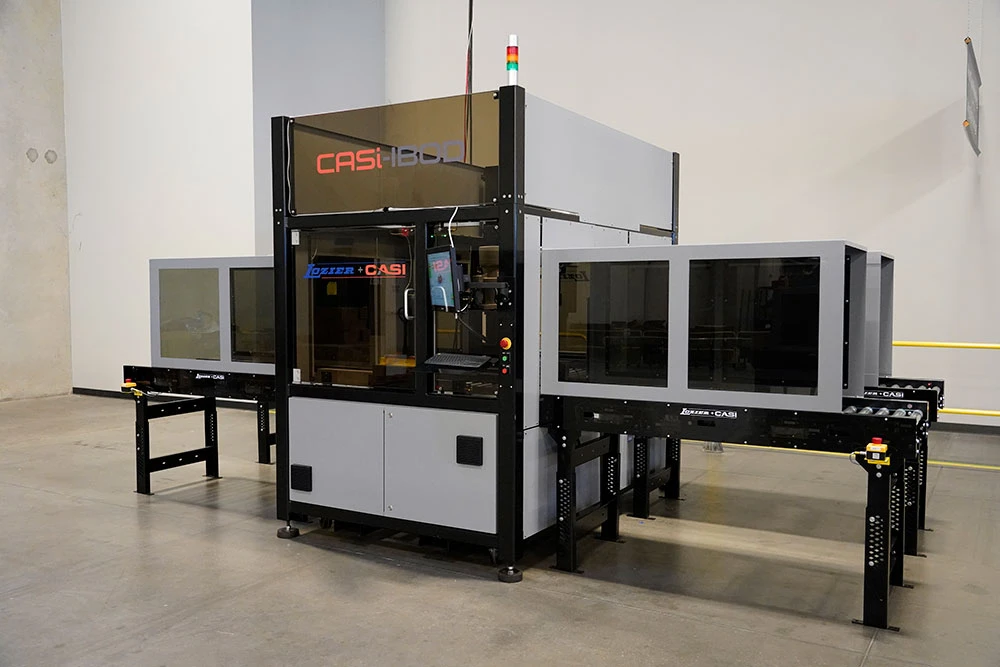
CASI automated decanting station for warehouse receiving and inventory processing.
CASI is a warehouse automation company specializing in material handling, conveyor systems, and integrated solutions for distribution and fulfillment operations. Its automated decanting technology is designed to support the transition between inbound receiving and automated inventory storage. Decanting involves removing products from incoming shipping cartons and transferring them into standardized totes or containers used by warehouse automation systems. This process is particularly important in fulfillment centers where merchandise arrives in different packaging formats but must be organized into uniform containers before entering automated storage and retrieval systems.
CASI's decanting station provides a dedicated workstation for preparing incoming inventory for downstream warehouse operations. The system can be integrated with conveyors, tote handling equipment, and warehouse control software to coordinate the arrival of merchandise and the movement of completed totes. By organizing the decanting process into a controlled receiving workflow, the station helps facilities prepare products for storage while reducing unnecessary material movement. Its role is especially important in warehouses using goods-to-person picking systems, automated tote storage, and high-density inventory management technologies.
Warehouse receiving typically begins with products arriving in cartons, cases, or other shipping containers that are not directly compatible with automated storage equipment. These packages may contain multiple individual products, different quantities, or merchandise requiring inspection before storage. Workers traditionally open incoming cartons, verify their contents, and transfer products into storage containers. Although these activities are essential for maintaining inventory accuracy, they can become bottlenecks when large volumes of merchandise arrive throughout the day.
CASI's decanting solution helps connect these receiving activities with automated storage operations. Incoming cartons are presented at the workstation, where products can be transferred into compatible totes and prepared for inventory induction. Completed totes can then move through conveyor systems toward automated storage equipment, while empty cartons and packaging materials are directed toward disposal or recycling processes. This approach creates a more organized transition from inbound merchandise to storage-ready inventory, allowing warehouses to coordinate receiving with downstream fulfillment requirements.
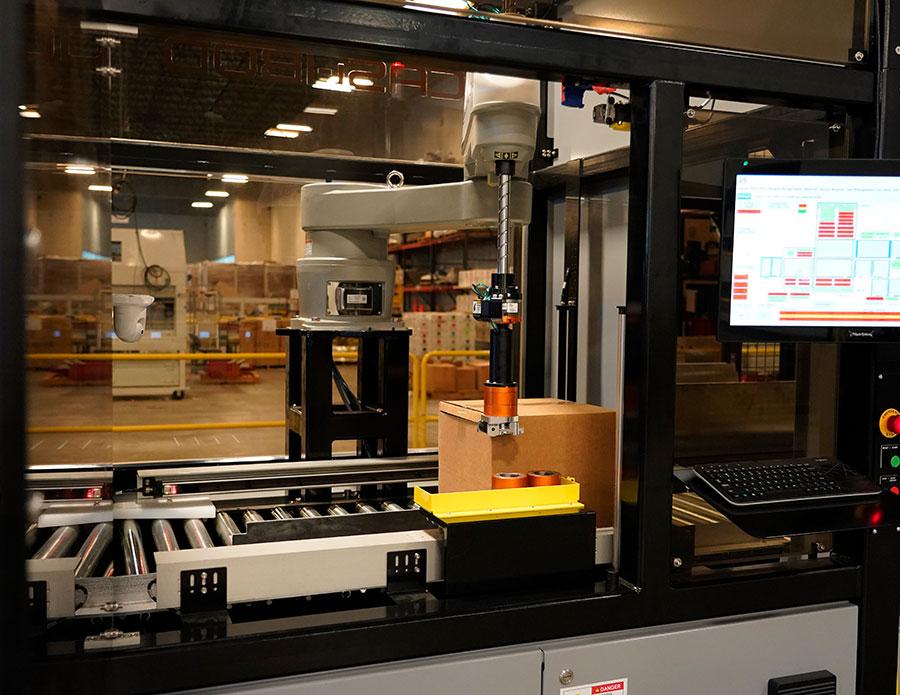
The decanting process begins when incoming cartons are delivered to the workstation through a conveyor or other material handling system. Products are removed from their shipping packaging and transferred into standardized warehouse totes. Depending on the workstation configuration, this process can include barcode scanning, quantity verification, and inventory identification before products are released into storage. Standardized totes provide consistent dimensions and handling characteristics, making them easier for automated storage systems to transport, retrieve, and organize than irregular incoming shipping cartons.
CASI's workstation architecture is designed to support efficient interaction between operators, merchandise, and automated material handling equipment. The station can present incoming cartons and empty totes in accessible positions, reducing unnecessary carrying and movement between work areas. Once products have been transferred, the completed tote can be released to the conveyor system for transportation to storage. The exact degree of automation depends on the installation: automated carton and tote presentation should be distinguished from robotic product removal, which requires additional manipulation equipment.
CASI develops conveyor and warehouse control technologies that can connect decanting workstations with receiving lines, inventory identification systems, and automated storage equipment. Conveyors transport incoming cartons toward the decanting area and move completed totes toward downstream processing locations. Barcode readers and other identification devices can be incorporated to associate merchandise with the correct storage container. These connections help maintain product traceability as inventory moves from its original shipping carton into a warehouse tote.
Integration with warehouse management and control systems allows decanting operations to coordinate with inventory records and storage assignments. When a tote is completed, the system can communicate its identity and contents to the warehouse software responsible for directing material movement. The tote can then be transported to an automated storage and retrieval system, a goods-to-person fulfillment area, or another designated inventory location. By linking physical handling equipment with inventory information, the decanting station supports the accurate movement of merchandise between receiving and storage.
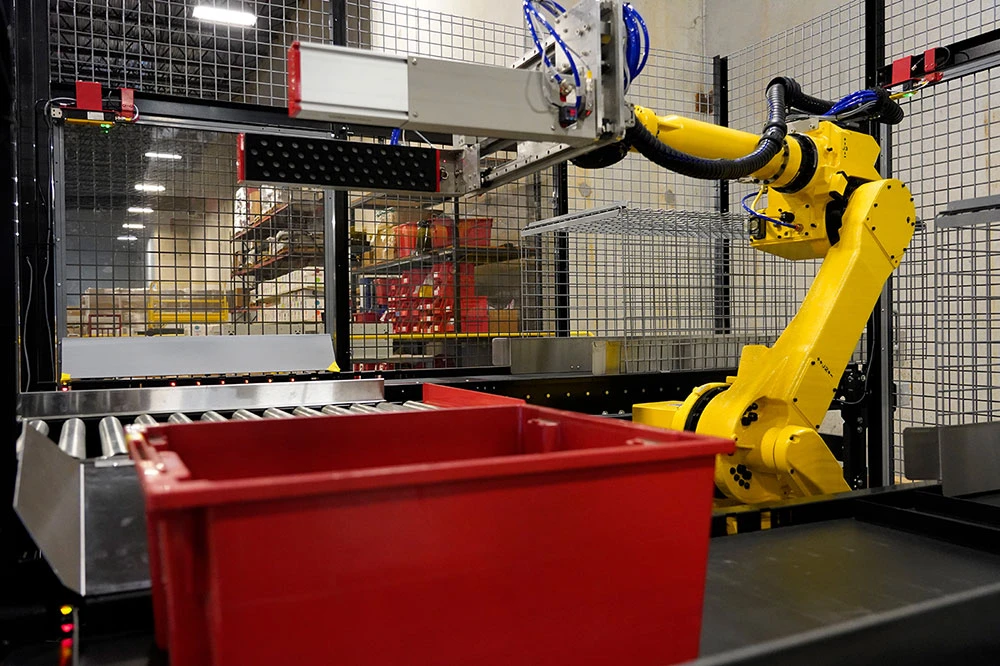
CASI's decanting station is applicable to e-commerce fulfillment centers, retail distribution facilities, third-party logistics warehouses, and operations using tote-based automated storage systems. These facilities frequently receive merchandise in shipping cartons containing multiple products or individual inventory units. Before products can enter automated storage, they must be identified, organized, and transferred into compatible containers. A dedicated decanting station supports this preparation process by connecting incoming merchandise with the standardized tote handling requirements of downstream automation equipment.
The technology is particularly useful in facilities operating shuttle-based storage systems, automated tote warehouses, and goods-to-person picking solutions. Once merchandise has been transferred into totes, the containers can be transported automatically to assigned storage locations. When inventory is required for fulfillment, the same totes can be retrieved and delivered to picking stations. This creates a connected workflow between receiving, storage, and order fulfillment, with decanting serving as the transition between incoming shipping packaging and the warehouse's internal inventory handling system.
A primary benefit of CASI's decanting station is its ability to organize and streamline the preparation of incoming inventory. Automated carton delivery, tote presentation, and conveyor transportation can reduce the time employees spend moving merchandise between receiving and storage locations. Standardized workstations also help establish consistent handling procedures, improving the coordination of inventory verification, product transfer, and tote induction. Actual productivity improvements depend on the level of automation, product characteristics, receiving volumes, and integration with existing warehouse systems.
Decanting stations can also improve workplace ergonomics and inventory accuracy by providing controlled handling locations and supporting barcode-based product identification. Properly designed workstations reduce unnecessary lifting, reaching, and carrying, while inventory tracking helps maintain accurate records as products move into storage containers. For warehouse operators investing in automated storage and retrieval technology, efficient decanting is an important supporting process that helps prevent receiving bottlenecks from limiting downstream system performance. CASI's approach demonstrates how coordinated workstations, conveyors, and warehouse software can connect conventional receiving activities with increasingly automated inventory storage and fulfillment operations.
A unified AI platform that connects intelligent agents, business communications, shared memory, and automated workflows to streamline operations across your organization.
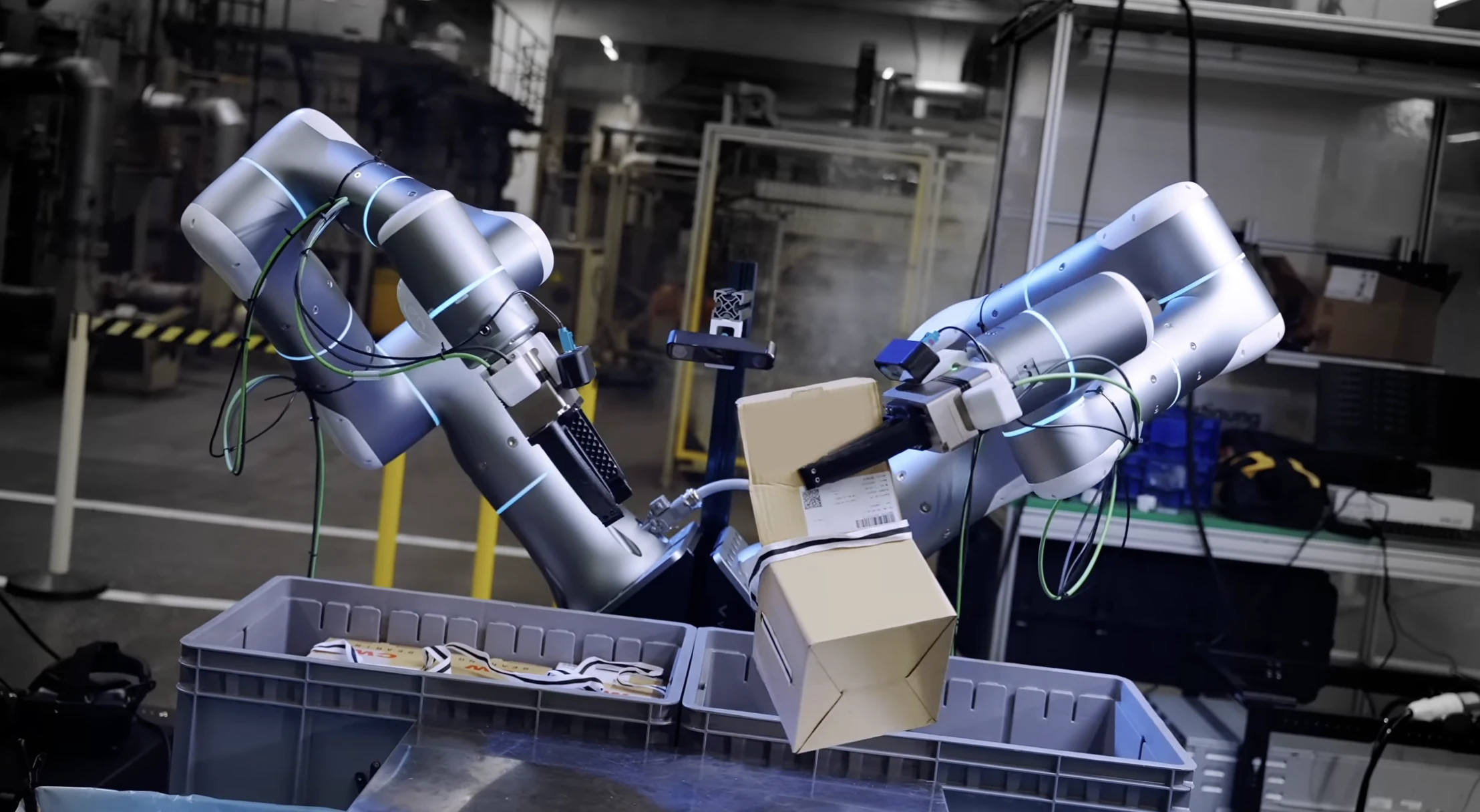
Rhoda AI is developing robotic foundation models that combine visual understanding, physical intelligence, and tactile sensing to help robots perform complex tasks across manufacturing and industrial environments.

An examination of how the UK's Cooperative Technologists network connects worker-owned technology businesses, shares resources, and uses democratic governance to build an alternative model for the digital economy.
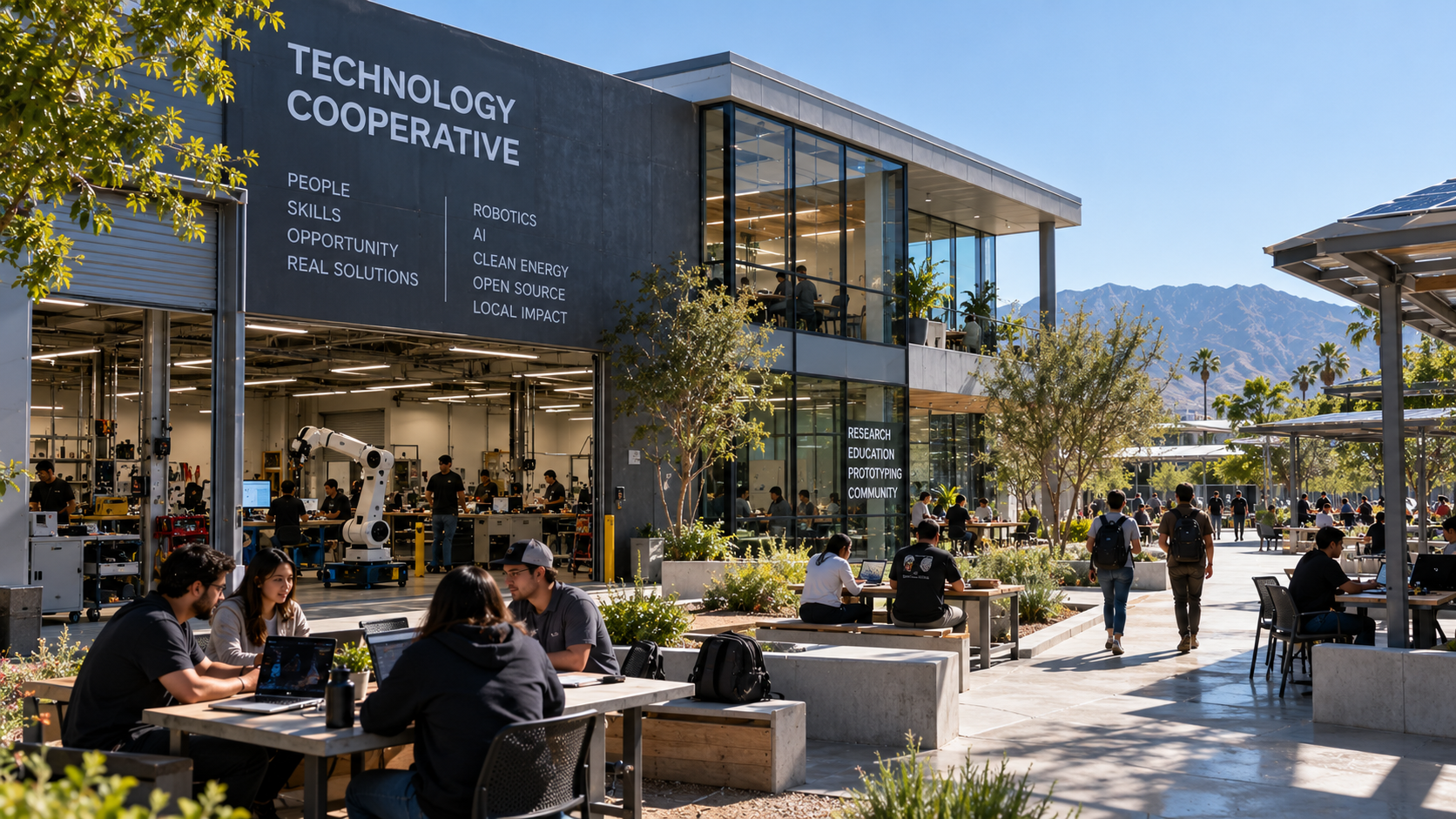
Exploring new models of democratic participation through sortition, rotating leadership, collective investment, and technology-enabled cooperative governance.

An exciting head-to-head competition where humanoid robots tackle real-world challenges, showcasing the latest advances in robotics, artificial intelligence, and autonomous technology.
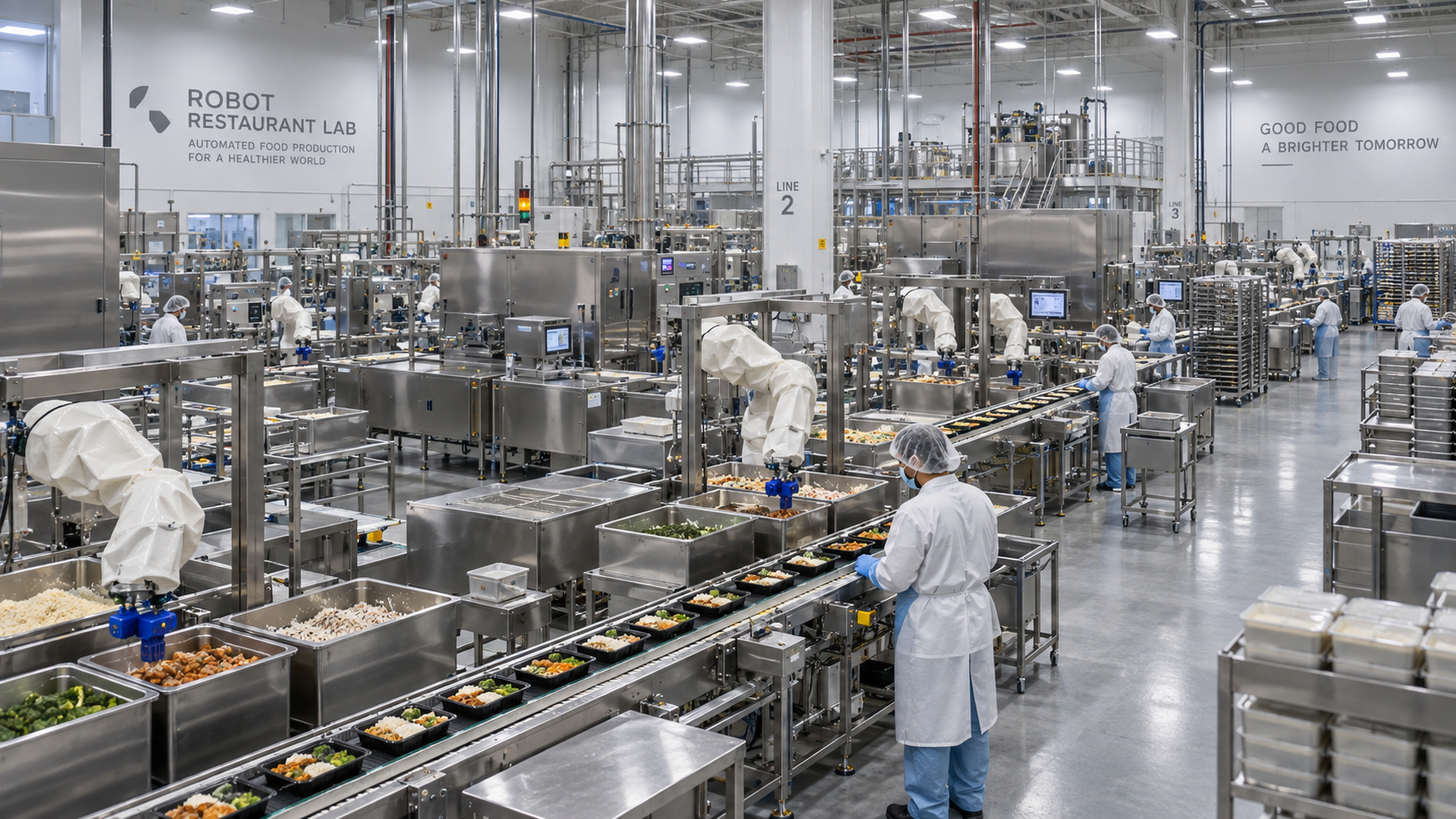
Developing highly automated food production facilities that combine robotics, industry expertise, and regional partnerships to reduce costs and supply prepared food at commercial scale.