

Operationsproduct
Bubble AI — Agentic Business Automation
A unified AI platform that connects intelligent agents, business communications, shared memory, and automated workflows to streamline operations across your organization.
80
Explore how Frazier Industrial combines high-bay structural racking, automated storage and retrieval technology, and integrated pallet handling systems to maximize warehouse capacity and streamline inventory storage and retrieval.
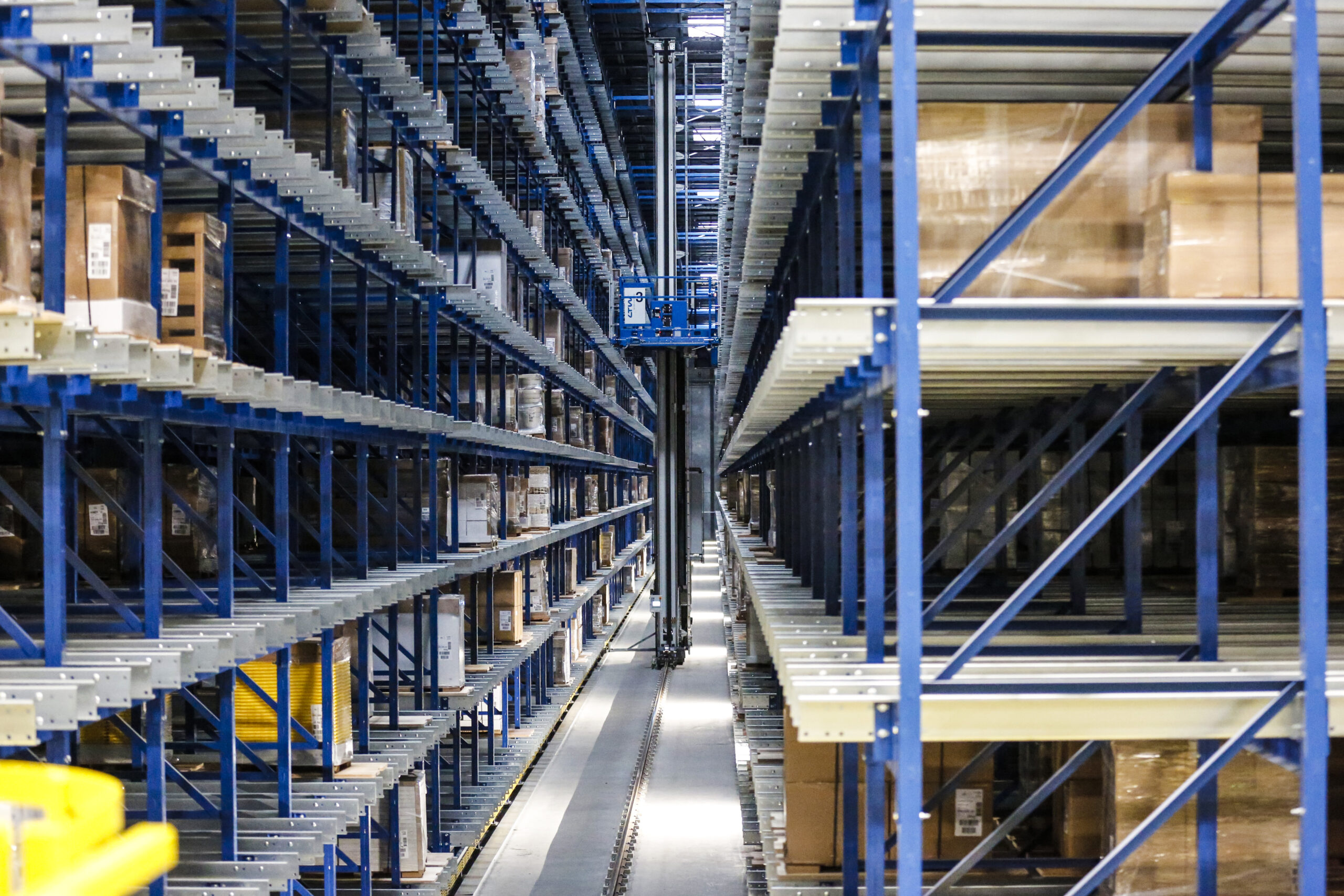
Frazier automated stacker crane for high-density warehouse pallet storage and retrieval.
Frazier Industrial Company is an American manufacturer of industrial storage systems specializing in structural steel pallet racking, high-density storage, and automated warehouse infrastructure. Headquartered in Long Valley, New Jersey, the company develops engineered storage solutions for distribution centers, manufacturing facilities, cold storage warehouses, and logistics operations. Its automated storage and retrieval system offerings combine heavy-duty structural racking with automated pallet handling equipment to support high-volume inventory storage and movement. Frazier is particularly recognized for its structural steel rack designs, which provide the strength and durability required for tall, heavily loaded warehouse storage installations.
Unlike automation companies that primarily manufacture robotic storage and retrieval machines, Frazier focuses on the structural storage infrastructure that supports automated warehouse operations. Its AS/RS solutions incorporate rack systems engineered to accommodate rail-guided stacker cranes, pallet shuttles, and other automated handling equipment supplied through project-specific integrations. The company's high-bay rack structures can also serve as the supporting framework for rack-supported buildings, where the storage system itself carries portions of the building envelope. This approach allows warehouse operators to combine high-density pallet storage with automated handling technology in facilities designed around maximum storage capacity and long-term operational requirements.
Traditional warehouse pallet storage relies on selective racking and forklift aisles to provide access to inventory. Although this configuration offers flexibility, substantial floor space must be reserved for equipment travel, reducing the area available for actual storage. As warehouse operators seek to increase capacity, taller racking structures and more compact storage arrangements become increasingly attractive. However, high-bay automated storage requires precise structural engineering because racks must support heavy pallet loads while maintaining the alignment necessary for robotic equipment to operate reliably.
Frazier addresses these requirements through structural steel racking systems designed specifically for automated storage environments. Its rack designs can accommodate high vertical loads, narrow storage aisles, and automated equipment operating at elevated heights. Depending on the installation, the structures can support single-deep, double-deep, or high-density storage arrangements that work with automated retrieval equipment. By integrating the storage structure into the overall warehouse automation design, Frazier helps facilities create compact storage environments that use available building height and floor space more efficiently than conventional forklift-accessible layouts.
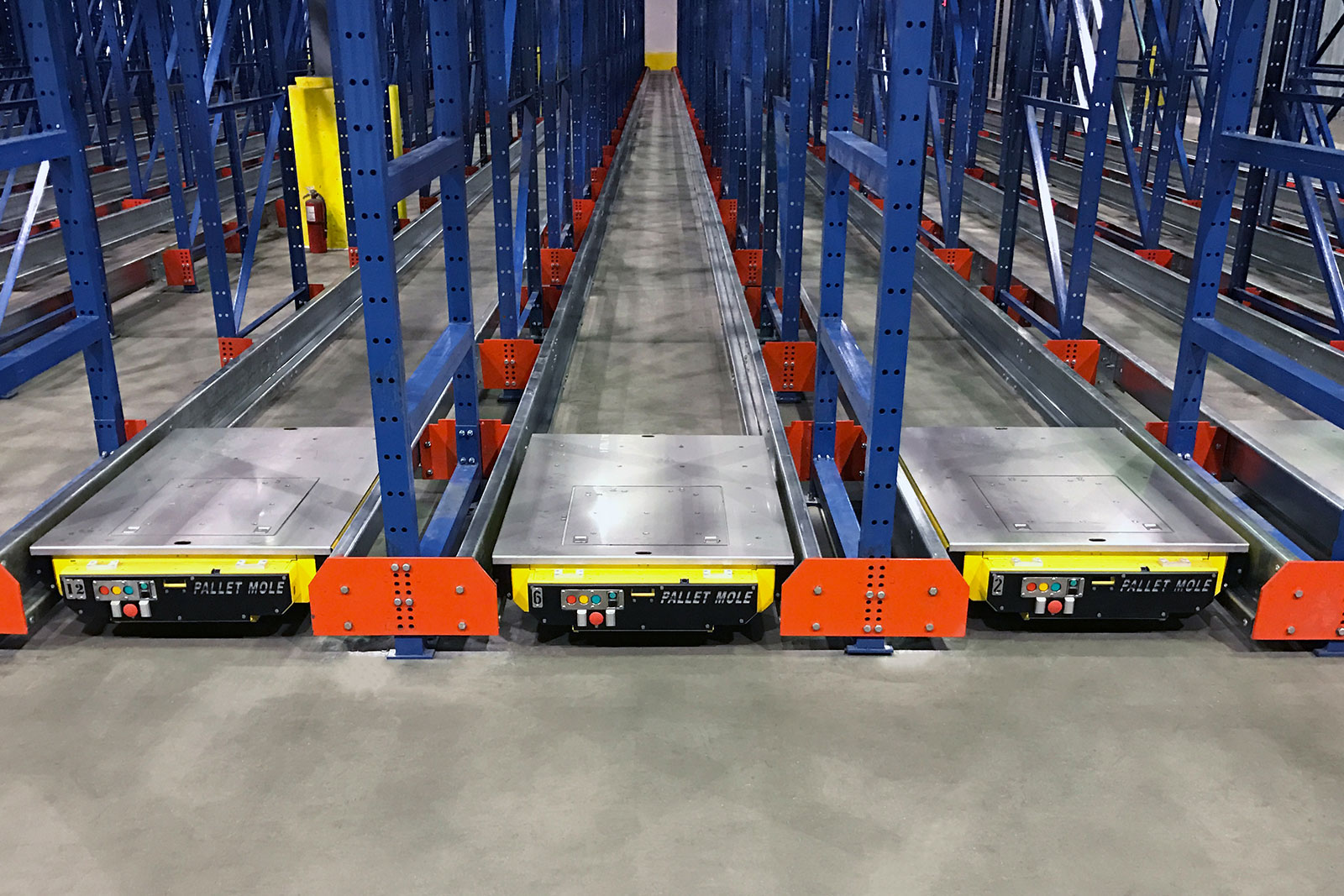
Frazier's AS/RS infrastructure is engineered to support automated storage and retrieval machines operating within high-density pallet racking. In a typical crane-based installation, rail-guided machines travel horizontally along dedicated aisles while lifting mechanisms move vertically to access individual storage levels. Depending on the system architecture, these machines use telescopic forks, satellite shuttles, or other load-handling devices to place and retrieve pallets. Frazier designs the racking around the mechanical requirements of the selected automation equipment, ensuring that storage positions, rail interfaces, and structural clearances support reliable operation.
Frazier's rack-supported AS/RS structures can exceed 140 feet in height, providing substantial vertical storage capacity. These systems use structural steel components engineered to withstand pallet loads, equipment movement, and applicable environmental forces, including wind and seismic requirements. Rack-supported construction allows the storage structure to carry the building's roof and exterior walls, eliminating the need for a separate conventional building frame. Frazier also provides free-standing AS/RS racking for installation inside existing warehouses, allowing facilities to incorporate automated storage without constructing an entirely new building.
In an integrated Frazier AS/RS installation, pallets are transferred from receiving areas to automated storage equipment through conveyors or other material handling interfaces. The storage and retrieval machines transport loads to designated rack positions, where mechanical handling devices place pallets into storage. When inventory is requested, the process operates in reverse, with automated equipment retrieving pallets and transferring them toward picking stations, production areas, or outbound shipping. Frazier's structural racking supports these movements by providing precise storage locations and the mechanical stability required for automated handling at elevated heights.
Frazier works with automation integrators to coordinate its storage infrastructure with the selected robotic equipment and warehouse control systems. The integrator's software typically manages storage assignments, inventory locations, equipment scheduling, and pallet retrieval requests. This separation allows Frazier to specialize in structural storage engineering while supporting different automation technologies according to facility requirements. Its AS/RS racking can be incorporated into systems using stacker cranes, satellite shuttles, conveyors, and other automated handling equipment, providing flexibility for both new warehouse construction and automation projects within existing facilities.
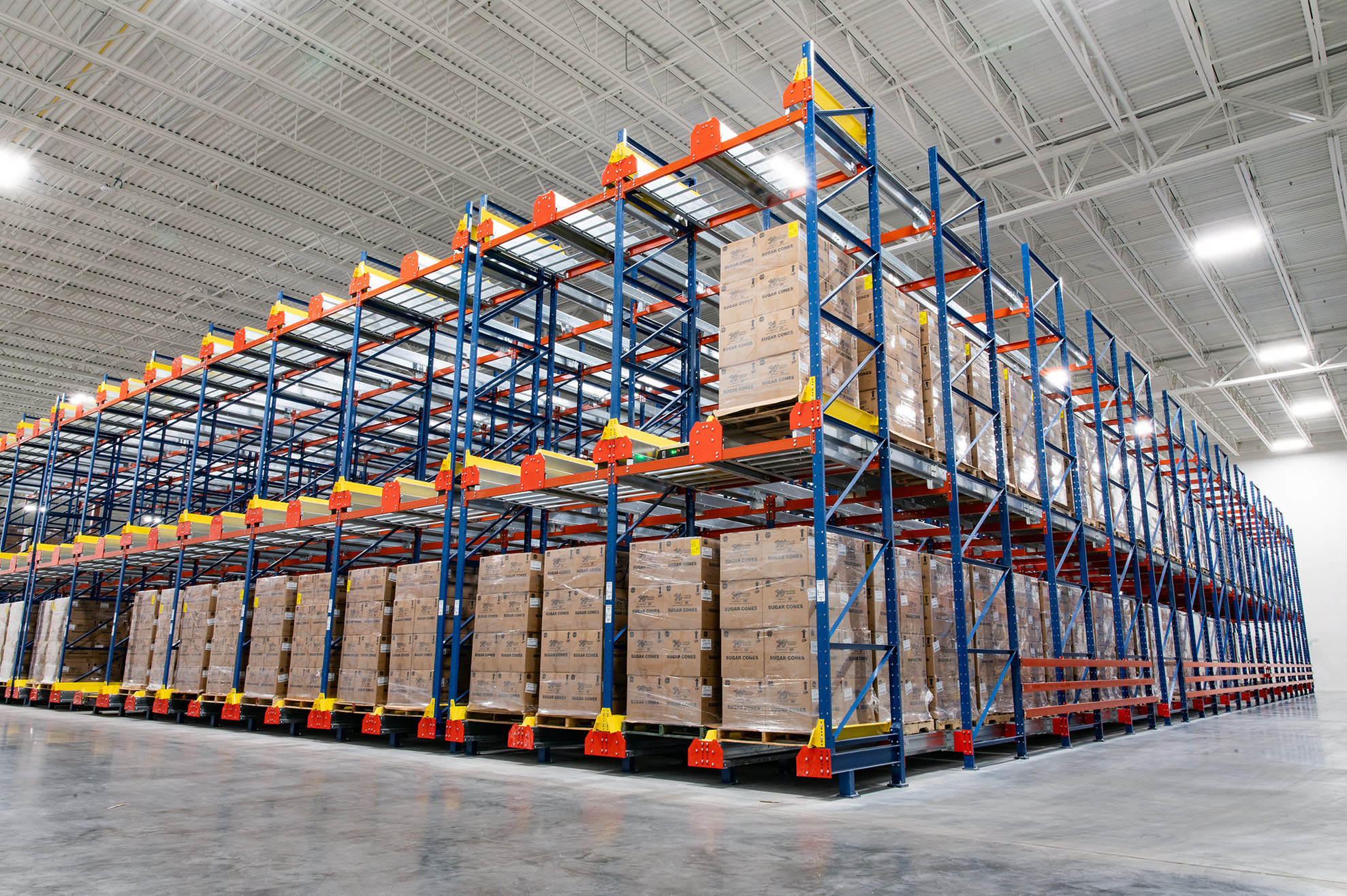
Frazier's automated storage infrastructure is used across food and beverage distribution, retail logistics, manufacturing, refrigerated warehousing, and other industries that manage substantial quantities of palletized inventory. These applications often require high storage capacity, reliable pallet access, and efficient use of available warehouse space. In receiving operations, automated equipment transfers incoming pallets into storage racks, while retrieval systems return inventory to picking, production, or shipping areas when needed. The structural racking is engineered around the facility's specific load requirements, storage heights, and automation configuration.
Cold storage is a particularly important application because refrigerated and frozen warehouses have high construction and operating costs associated with maintaining temperature-controlled space. High-density AS/RS installations can reduce the building footprint required for a given number of pallet positions, limiting the volume of space that must be cooled. Frazier has supplied racking for large automated facilities, including rack-supported projects exceeding 130 feet in height and containing more than 150,000 pallet positions. The company also describes large-scale installations with more than 375,000 pallet positions, demonstrating the structural capacity available for major distribution operations.
Frazier's primary contribution to automated warehousing is its ability to support exceptionally dense pallet storage through engineered structural steel racking. Rack-supported AS/RS construction can provide footprint savings of up to 15% compared with certain conventional building configurations, according to the company. Its high-bay designs also allow facilities to use vertical space more effectively, reducing the amount of land required to accommodate large inventory volumes. These advantages can be especially significant for refrigerated warehouses, high-volume distribution centers, and facilities operating in locations where industrial land is expensive or expansion opportunities are limited.
Beyond storage density, Frazier's structural systems provide the foundation for automated pallet handling that reduces forklift traffic within storage aisles and supports consistent inventory movement. Automated retrieval equipment can access high-level pallet positions without requiring employees to operate forklifts at those elevations, while integrated warehouse software coordinates inventory locations and material flow. The durability of structural steel racking also supports long-term operation under heavy loads and repeated automated handling cycles. By combining specialized storage engineering with robotic equipment supplied through automation partners, Frazier enables large-scale warehouse automation projects designed around capacity, reliability, and efficient inventory management.
A unified AI platform that connects intelligent agents, business communications, shared memory, and automated workflows to streamline operations across your organization.
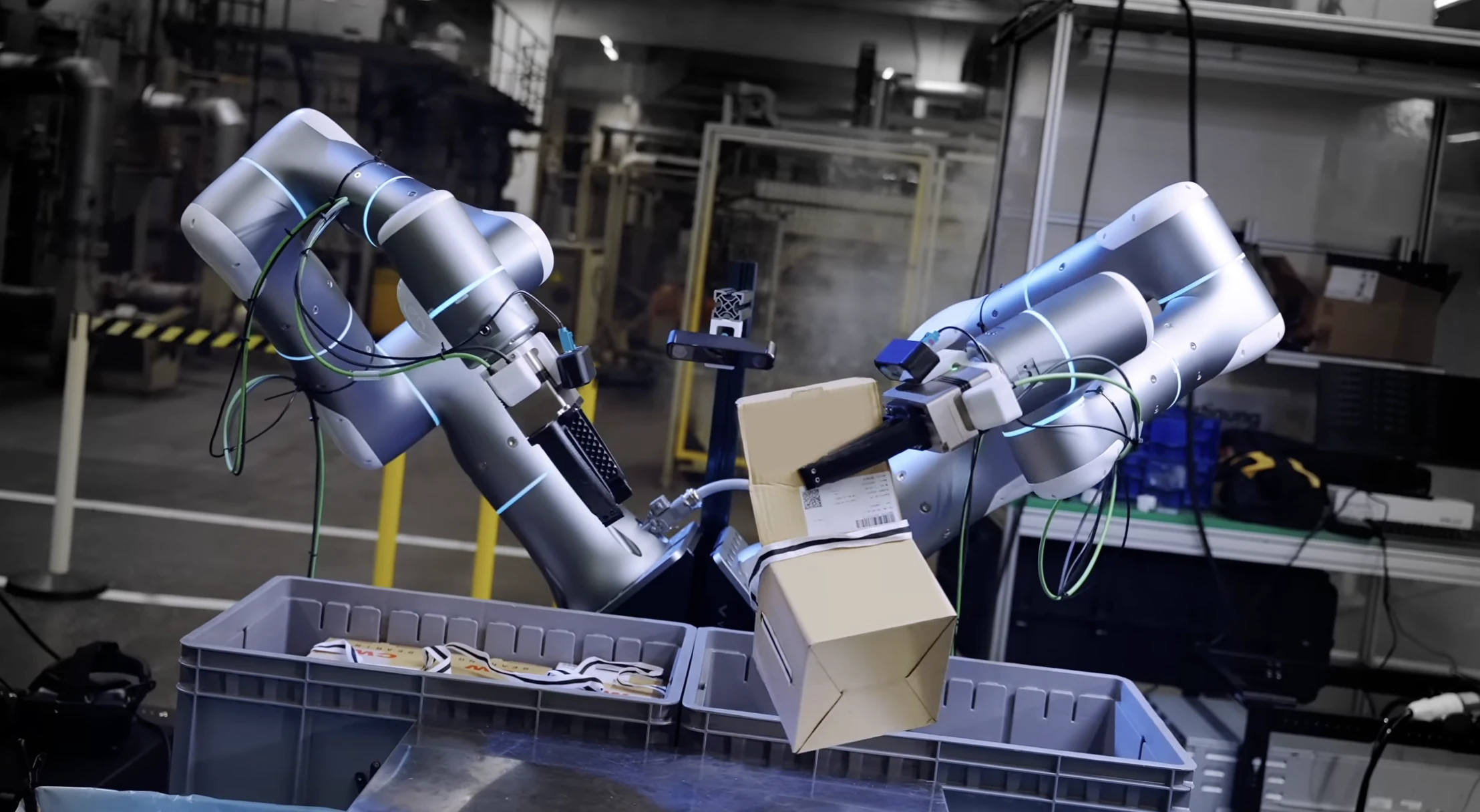
Rhoda AI is developing robotic foundation models that combine visual understanding, physical intelligence, and tactile sensing to help robots perform complex tasks across manufacturing and industrial environments.

An examination of how the UK's Cooperative Technologists network connects worker-owned technology businesses, shares resources, and uses democratic governance to build an alternative model for the digital economy.
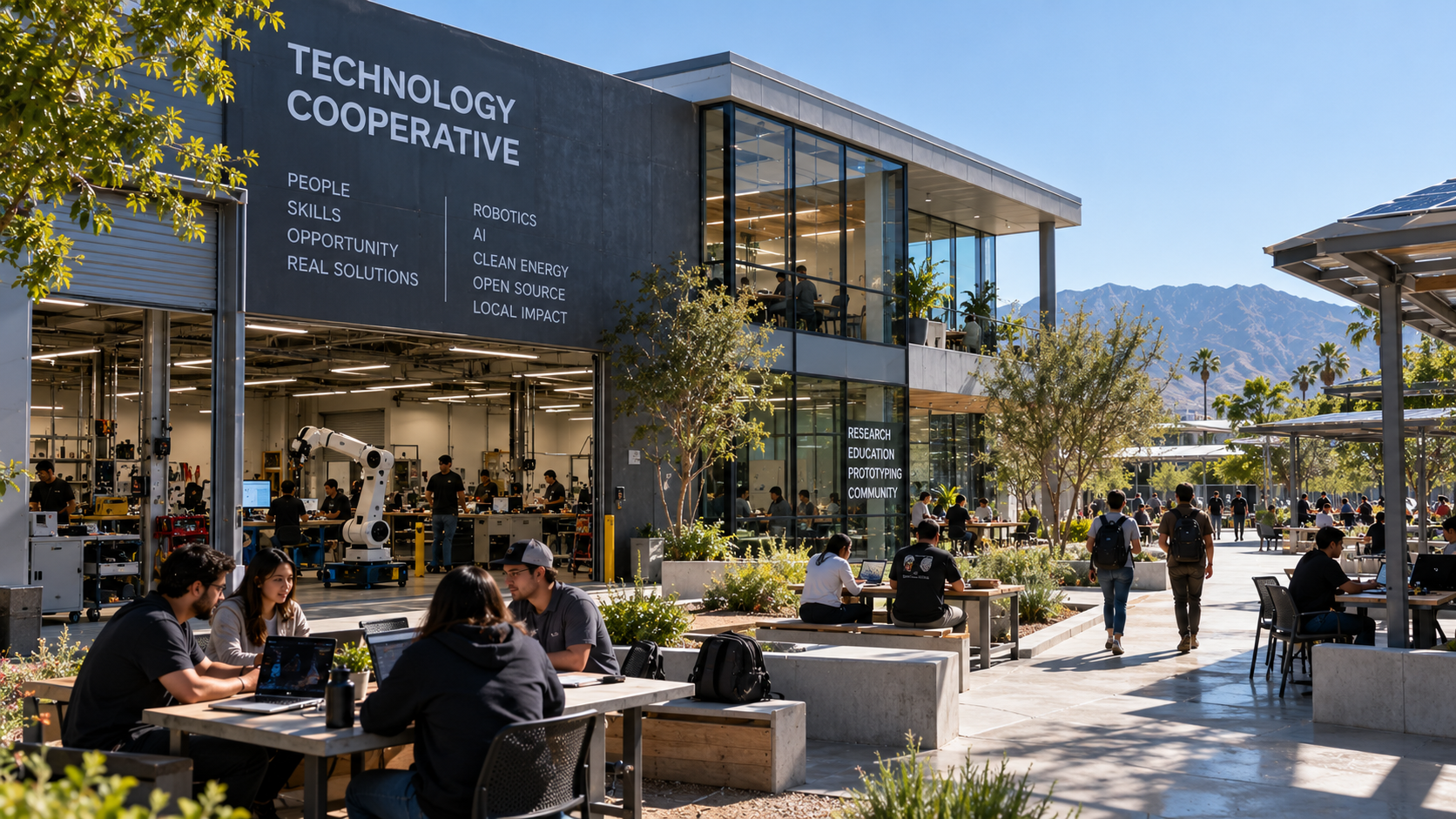
Exploring new models of democratic participation through sortition, rotating leadership, collective investment, and technology-enabled cooperative governance.

An exciting head-to-head competition where humanoid robots tackle real-world challenges, showcasing the latest advances in robotics, artificial intelligence, and autonomous technology.
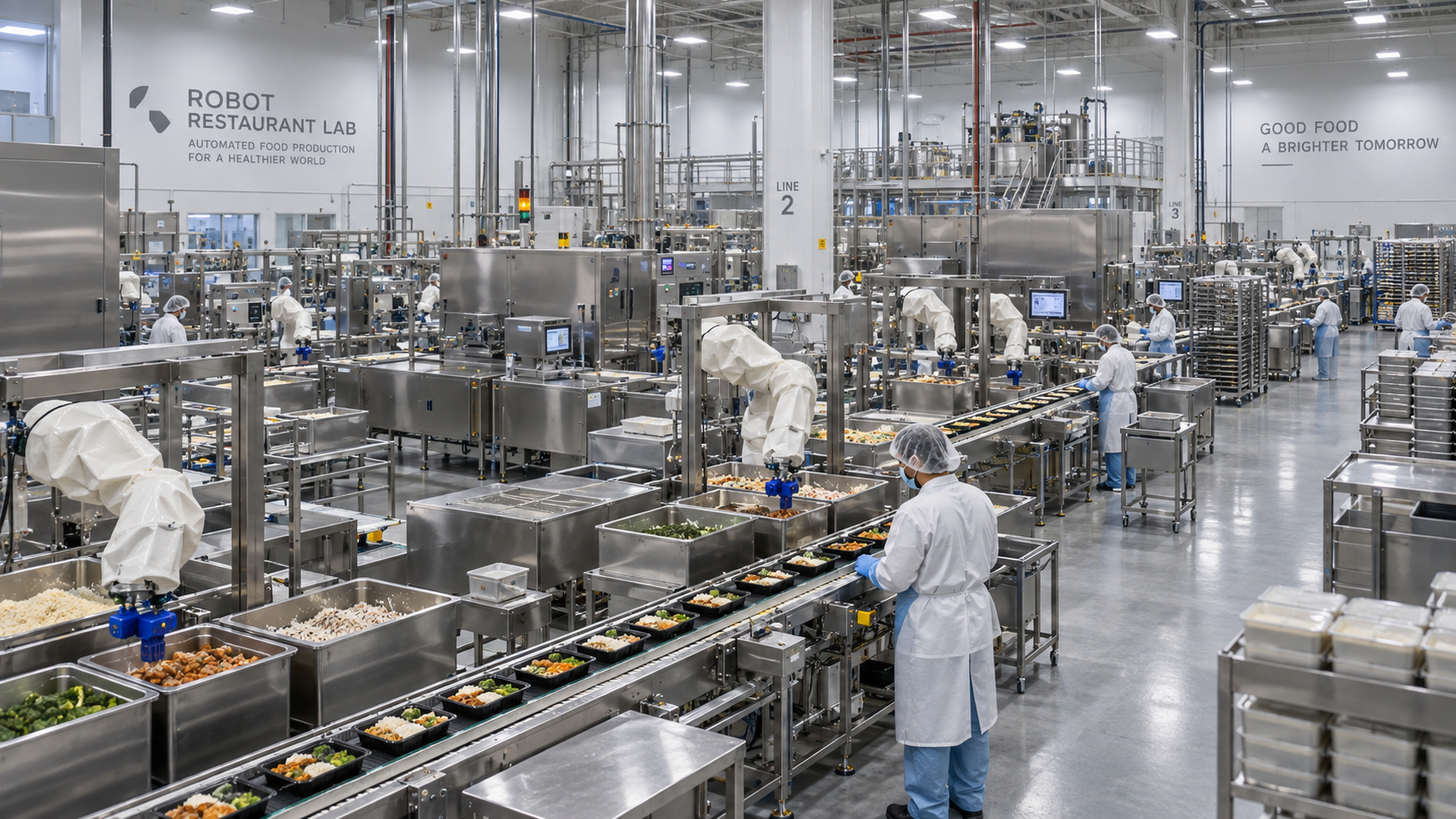
Developing highly automated food production facilities that combine robotics, industry expertise, and regional partnerships to reduce costs and supply prepared food at commercial scale.