
Operationsproduct
Bubble AI — Agentic Business Automation
A unified AI platform that connects intelligent agents, business communications, shared memory, and automated workflows to streamline operations across your organization.
80
Explore how Toyota combines automated stacker cranes, pallet shuttle technology, and intelligent warehouse software to maximize storage capacity and streamline pallet storage, retrieval, and inventory movement.
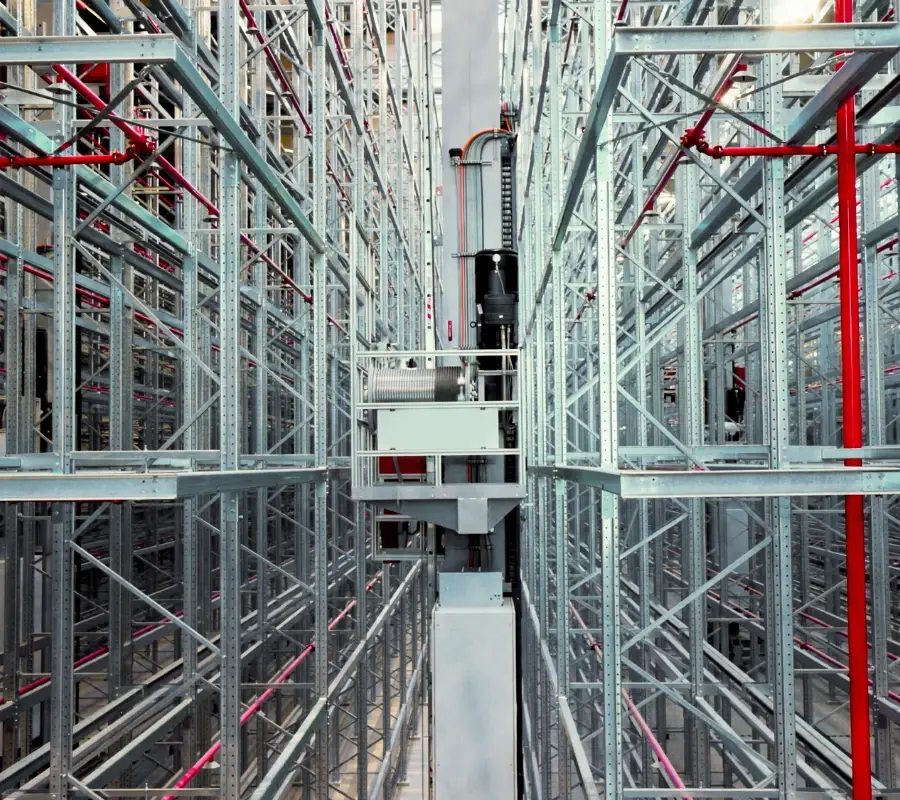
Toyota automated stacker crane for high-density pallet storage and retrieval.
Toyota Industries is a global manufacturer of material handling equipment and warehouse automation technology, offering automated storage and retrieval systems (AS/RS) for distribution centers, manufacturing facilities, and logistics operations. Its solutions include pallet-based storage systems, rail-guided stacker cranes, automated shuttle systems, and intelligent warehouse control technology. Toyota's automation capabilities are supported by Toyota Material Handling and Toyota Automated Logistics, which brings together the expertise of Bastian Solutions, Vanderlande's warehousing business, and viastore. These organizations provide integrated solutions designed to automate inventory movement while improving warehouse storage capacity and operational efficiency.
Toyota's pallet storage solutions include unit-load AS/RS systems that use automated stacker cranes to transport pallets into high-bay storage racks, as well as shuttle-based systems designed for high-density storage. The company also offers Swarm Automation Storage, which combines automated forklifts, radio shuttles, and warehouse execution software to coordinate pallet movement. These technologies provide different approaches to automated storage depending on warehouse layout, inventory characteristics, and throughput requirements. By combining mechanical handling equipment with intelligent software, Toyota supports automated pallet storage within both existing facilities and newly constructed distribution centers.
Traditional pallet storage relies on forklift operators moving through warehouse aisles to place and retrieve inventory from storage racks. Although this approach provides direct access to individual pallets, the aisles required for forklift movement occupy substantial floor space. High-bay storage also creates operational challenges because accessing elevated inventory requires specialized lifting equipment and careful positioning. As warehouse operators seek to increase storage capacity without expanding their buildings, automated systems provide an alternative that reduces aisle requirements and makes better use of available vertical space.
Toyota's AS/RS solutions address these challenges through automated storage architectures that move pallets into designated rack positions without requiring forklifts to travel through every storage aisle. Crane-based systems use rail-guided machines to access multiple storage levels, while shuttle-based systems transport pallets horizontally within high-density rack channels. Toyota's Swarm Automation Storage configuration combines automated reach trucks with radio shuttles to support deep-lane pallet storage. These approaches allow warehouse operators to select storage systems according to available space, product turnover, inventory requirements, and the level of automation needed.
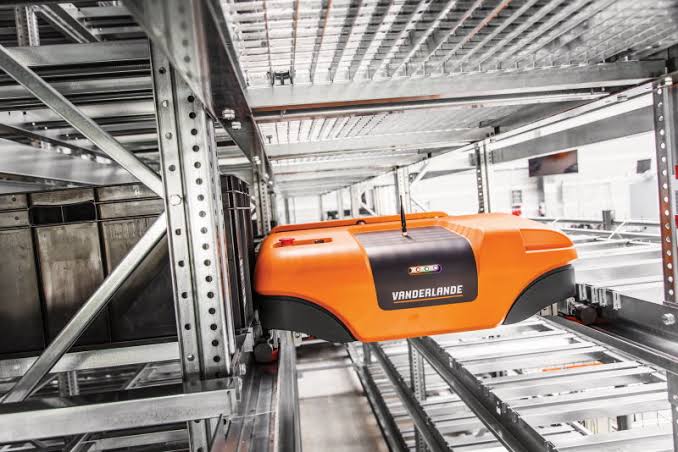
Toyota's crane-based AS/RS solutions use automated storage and retrieval machines that travel along dedicated rails within warehouse aisles. These machines combine horizontal movement with vertical lifting mechanisms to access pallet positions at different rack levels. Once a pallet reaches the storage interface, the machine retrieves the load and transports it to its assigned storage location. A load-handling mechanism then transfers the pallet into the rack. During retrieval, the process operates in reverse, allowing pallets to be returned to conveyors or other material handling equipment for further processing.
The mechanical configuration of Toyota's AS/RS installations depends on the facility's storage requirements. Unit-load systems are designed for full pallets and other large loads, while smaller-load systems handle cartons, totes, and trays. Pallet storage configurations may use single-deep or deeper racking arrangements, depending on the selected equipment. Toyota also offers shuttle-based storage systems that move pallets within rack channels, providing an alternative to conventional crane-based retrieval. These technologies support automated access to inventory while reducing manual forklift movements inside dedicated storage areas.
Toyota's Swarm Automation Storage system combines radio-controlled pallet shuttles with automated forklifts and high-density racking. The automated forklifts deliver pallets to storage channels, where shuttle units transport the loads into designated rack positions. The forklifts can also move shuttle units between channels, allowing the equipment to serve different storage locations. Toyota specifies system configurations supporting loads up to 1.5 tonnes and storage heights of approximately 12 meters. The architecture can support both first-in, first-out and last-in, first-out inventory arrangements, depending on the rack layout and operating requirements.
The system is coordinated through Toyota's T-ONE Warehouse Execution System, which manages pallet locations, automated vehicle movements, shuttle assignments, and material handling tasks. T-ONE communicates with warehouse management systems to coordinate storage and retrieval requests while maintaining visibility into inventory movement. In broader Toyota Automated Logistics installations, warehouse software can also coordinate stacker cranes, conveyors, and other automated equipment. These software connections allow receiving, storage, picking, and shipping operations to function as parts of a coordinated material handling process rather than as independent activities.
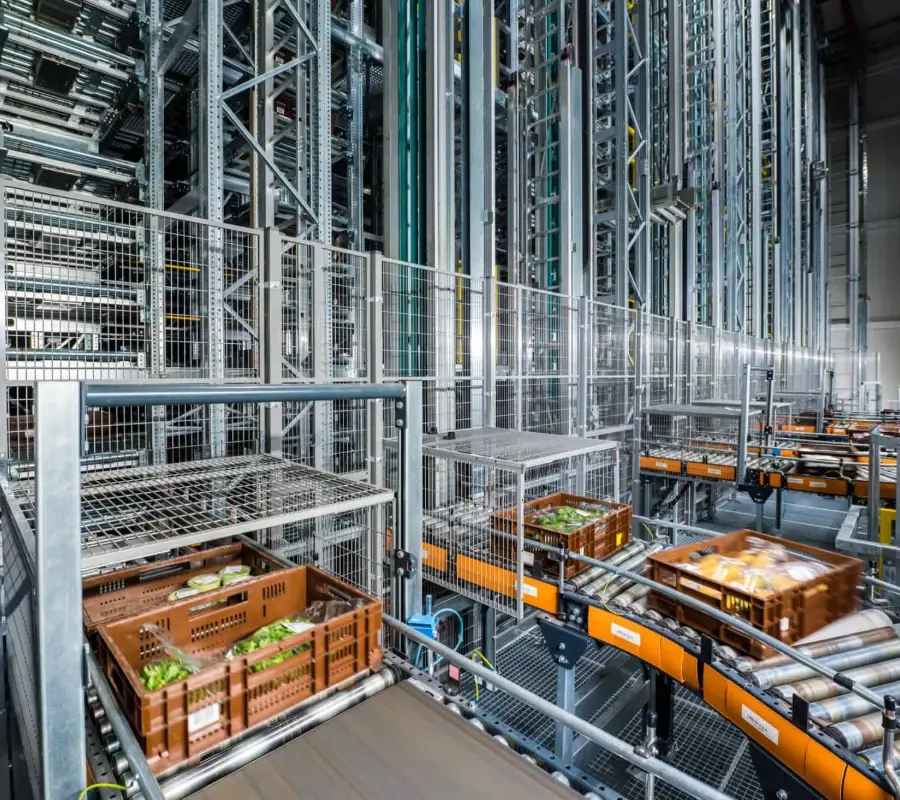
Toyota's automated storage and retrieval systems are designed for distribution centers, manufacturing facilities, food and beverage operations, cold storage warehouses, and third-party logistics providers. These environments frequently handle large quantities of palletized merchandise that must be stored, tracked, and retrieved according to operational schedules. During receiving, incoming pallets can be transferred from loading docks to automated storage interfaces, where stacker cranes or shuttle systems transport them into designated rack positions. When inventory is required for production, order picking, or outbound shipping, the automated equipment retrieves the appropriate pallets and delivers them to downstream material handling systems.
Toyota's different AS/RS architectures accommodate a variety of warehouse storage requirements. Crane-based systems are particularly suitable for high-bay installations where vertical storage capacity is a priority, while shuttle-based configurations support dense pallet storage with reduced aisle requirements. Swarm Automation Storage provides an additional option for facilities seeking to combine autonomous forklifts with deep-lane storage. These technologies can be integrated with pallet conveyors, automated picking systems, and warehouse execution software, allowing facilities to coordinate inventory movement across receiving, storage, and distribution operations.
Toyota's automated storage solutions are designed to improve warehouse capacity by reducing the space required for forklift aisles and increasing the utilization of available storage areas. The company reports that its Swarm Automation Storage configuration can provide up to 80% greater storage density than conventional selective racking in suitable applications. High-bay crane systems offer additional opportunities to utilize vertical building space, while shuttle-based systems allow pallets to be stored in compact channels. Actual storage density depends on rack configuration, inventory characteristics, building dimensions, and operational requirements.
Automated storage also reduces repetitive forklift travel and supports more consistent inventory handling. By coordinating pallet movements through warehouse execution software, facilities can maintain accurate storage records, prioritize retrieval requests, and organize inventory according to production or shipping schedules. Automated equipment can operate during extended shifts with reduced dependence on manual handling, while controlled storage environments help limit unnecessary traffic within warehouse aisles. Toyota's combination of stacker cranes, pallet shuttles, autonomous forklifts, and intelligent software demonstrates how integrated warehouse automation can improve storage capacity, inventory visibility, and material handling efficiency.
A unified AI platform that connects intelligent agents, business communications, shared memory, and automated workflows to streamline operations across your organization.
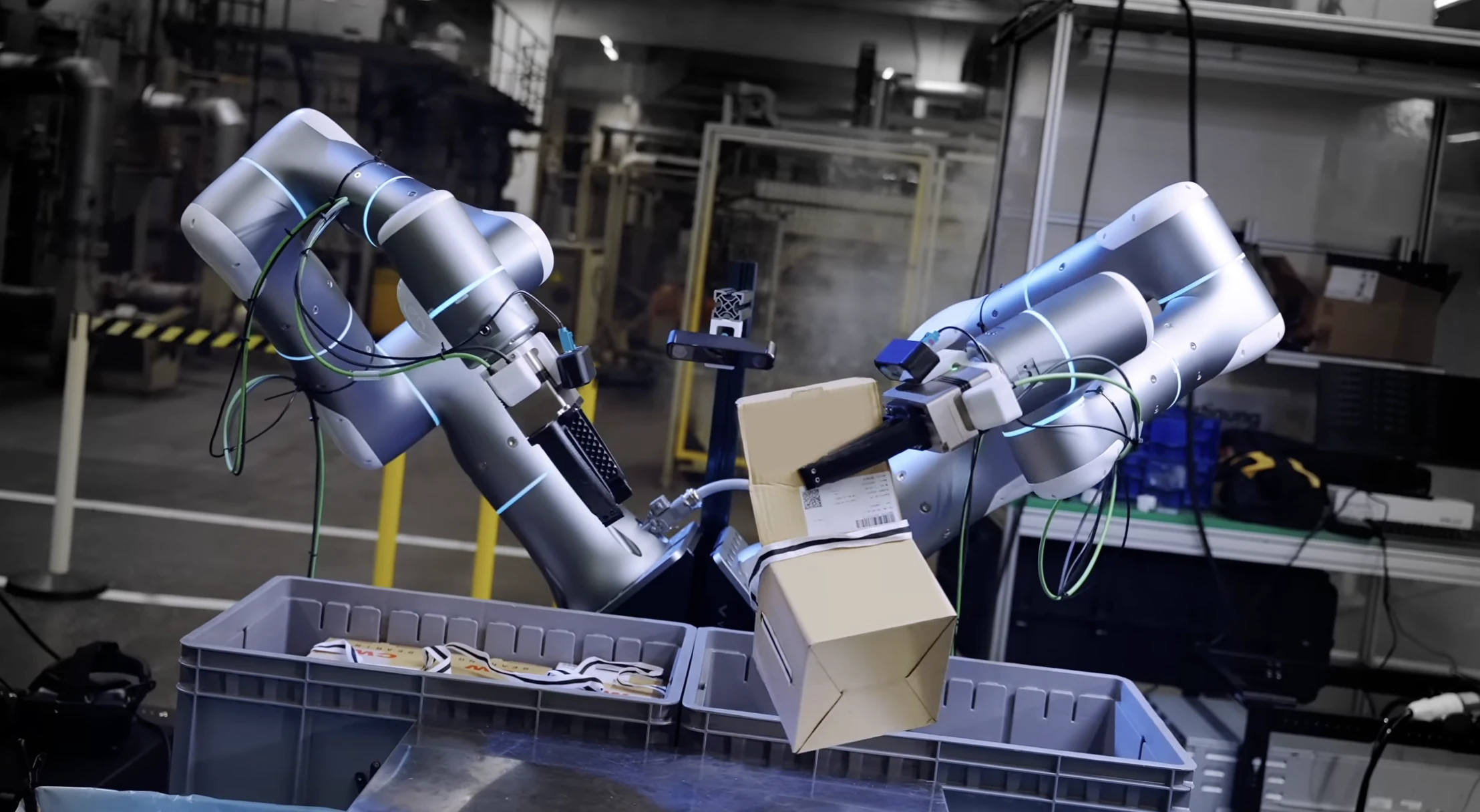
Rhoda AI is developing robotic foundation models that combine visual understanding, physical intelligence, and tactile sensing to help robots perform complex tasks across manufacturing and industrial environments.

An examination of how the UK's Cooperative Technologists network connects worker-owned technology businesses, shares resources, and uses democratic governance to build an alternative model for the digital economy.
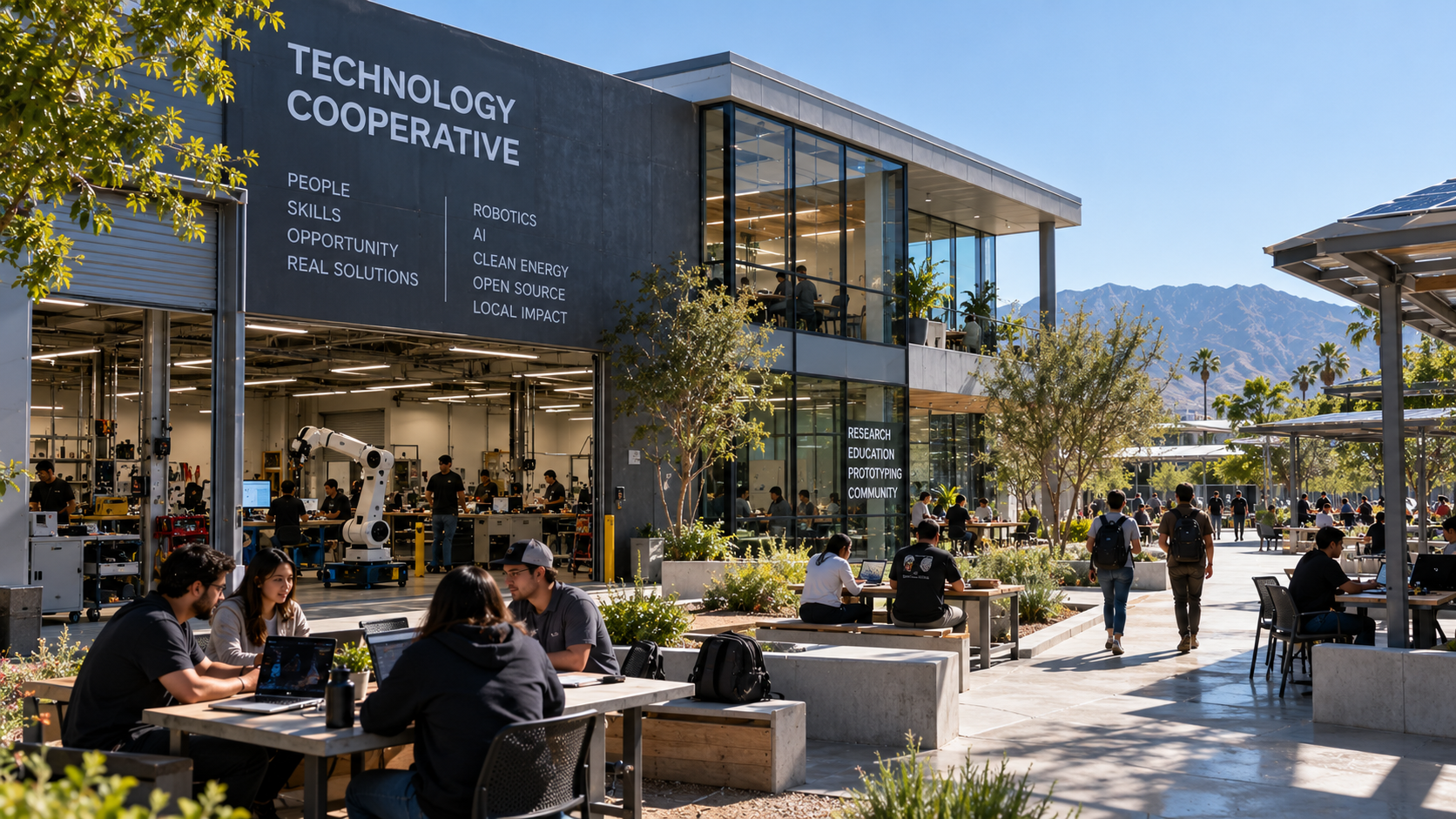
Exploring new models of democratic participation through sortition, rotating leadership, collective investment, and technology-enabled cooperative governance.

An exciting head-to-head competition where humanoid robots tackle real-world challenges, showcasing the latest advances in robotics, artificial intelligence, and autonomous technology.
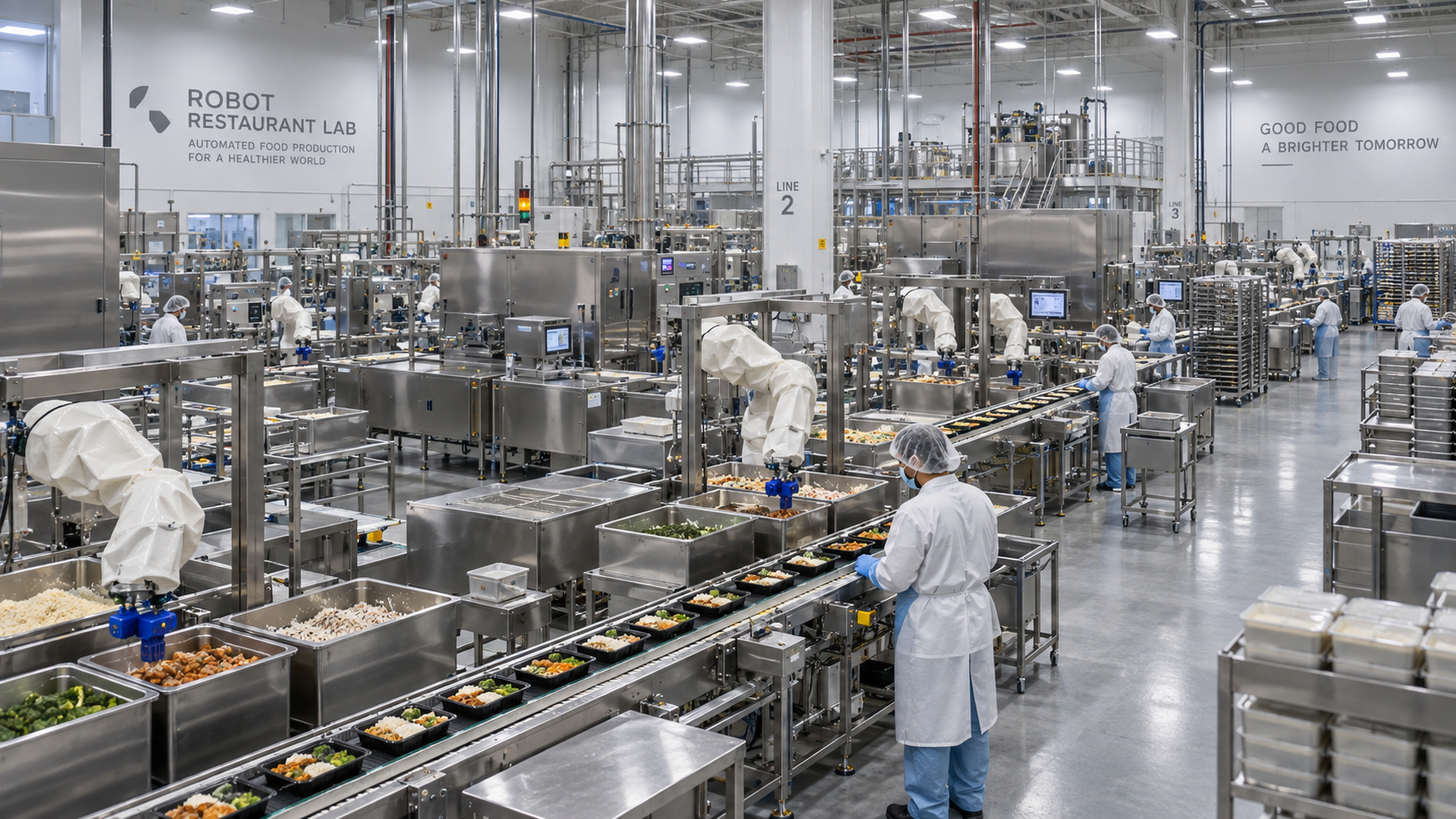
Developing highly automated food production facilities that combine robotics, industry expertise, and regional partnerships to reduce costs and supply prepared food at commercial scale.