

Operationsproduct
Bubble AI — Agentic Business Automation
A unified AI platform that connects intelligent agents, business communications, shared memory, and automated workflows to streamline operations across your organization.
80
Explore how Westfalia combines automated storage and retrieval machines, intelligent pallet handling technology, and warehouse execution software to maximize storage capacity and automate inventory movement.
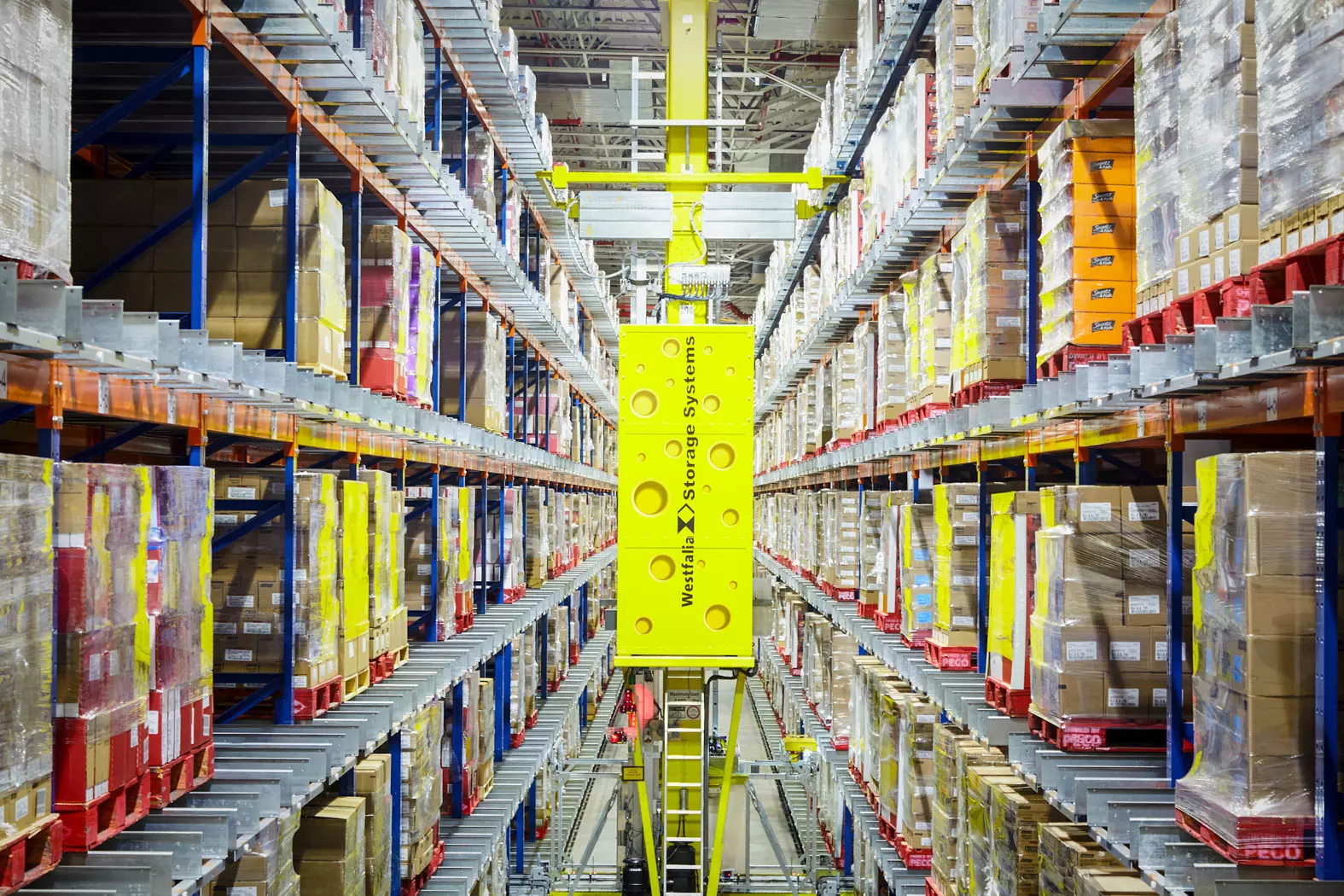
Westfalia automated storage and retrieval system for high-density warehouse pallet storage.
Westfalia Technologies is a warehouse automation company headquartered in York, Pennsylvania, specializing in automated storage and retrieval systems (AS/RS) for manufacturing facilities, distribution centers, and logistics operations. The company designs and manufactures integrated warehouse automation solutions that combine high-density pallet racking, robotic storage and retrieval machines, conveyor systems, and intelligent inventory management software. Its technology is designed to automate the movement of palletized goods between receiving areas, storage locations, and outbound shipping operations while reducing dependence on conventional forklift-based material handling.
Westfalia's AS/RS technology centers on its proprietary Satellite pallet handling system, which works with rail-guided storage and retrieval machines to place pallets deep within warehouse racking structures. Unlike conventional pallet racks that require forklift access to individual storage positions, Westfalia's systems can store pallets in lanes ranging from one to 18 positions deep. The company also develops Savanna.NET, a warehouse execution system that coordinates inventory movement, storage assignments, and equipment operations. Together, these technologies provide a comprehensive approach to automated pallet storage, combining mechanical handling equipment with software-driven warehouse management.
Traditional warehouse storage systems rely on forklifts and wide aisles to provide access to palletized inventory. Although selective pallet racking offers flexibility, the space required for forklift travel can limit overall storage density. As inventory volumes increase, warehouse operators may need to expand their facilities, add additional storage locations, or adopt more compact racking configurations. High-density automated storage systems address these challenges by reducing aisle requirements and using vertical warehouse space more efficiently.
Westfalia approaches warehouse storage through automated high-bay racking systems designed to maximize the number of pallets stored within a given building footprint. Its rail-guided storage and retrieval machines travel along dedicated aisles, lifting pallets to designated rack levels and transferring them into deep storage lanes using the Satellite handling device. This configuration allows multiple pallets to be stored behind one another without requiring a forklift aisle for every storage position. The result is a compact storage architecture that can accommodate substantial inventory volumes while maintaining automated access to stored merchandise.
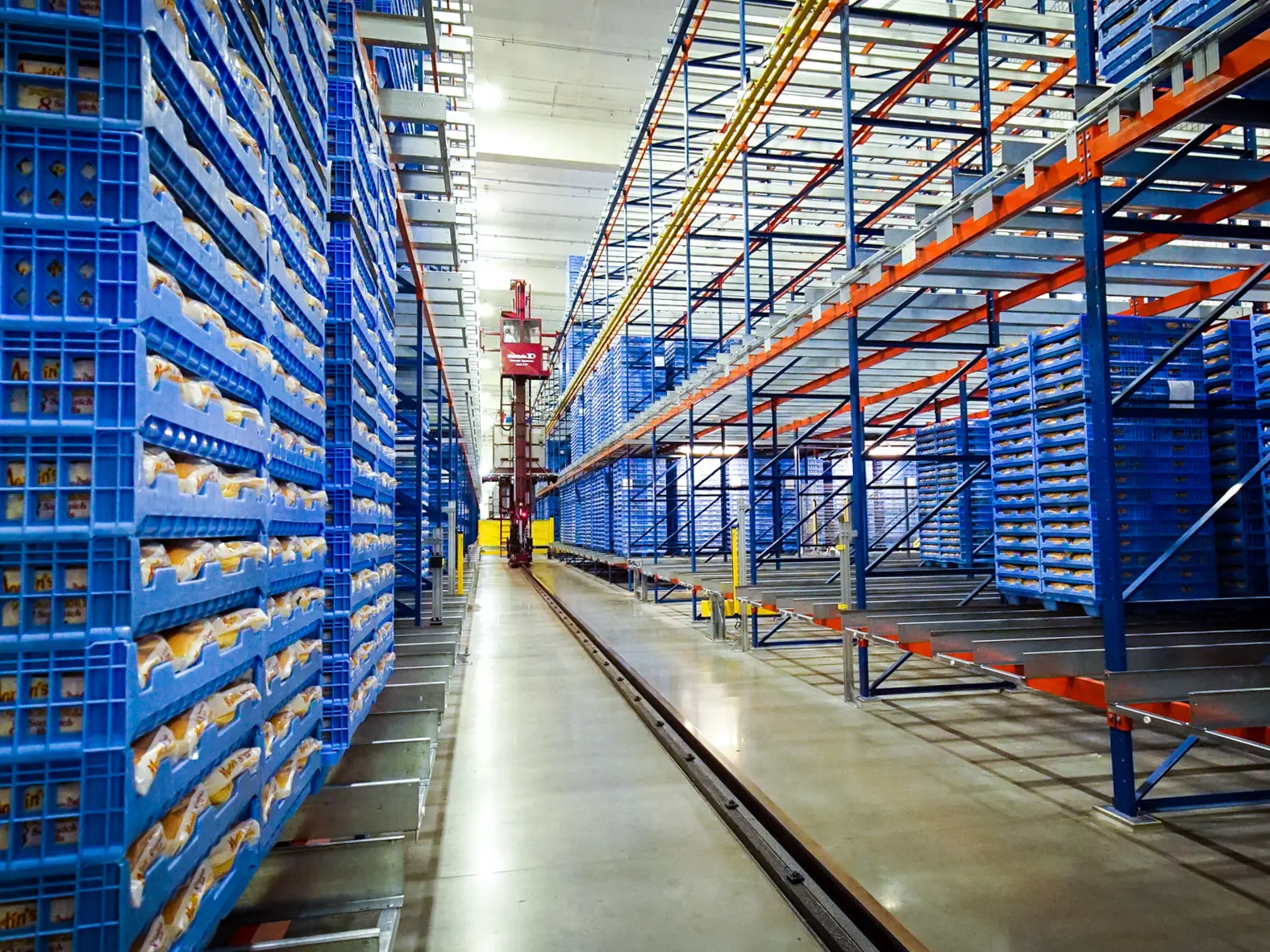
Westfalia's storage and retrieval machines (S/RMs) are rail-guided robotic systems that move horizontally and vertically within warehouse racking aisles. Each machine consists of a traveling structure, lifting mechanism, and pallet handling device that work together to transport loads between conveyor interfaces and storage positions. The company offers single-mast configurations for more compact installations and double-mast machines designed for heavier loads and greater lifting heights. Depending on the configuration, these machines can operate at heights reaching approximately 140 feet, enabling facilities to take advantage of warehouse space that would be difficult to access using conventional forklifts.
The machines are engineered for repetitive, high-volume pallet movement, with Westfalia specifying horizontal travel speeds of up to 900 feet per minute and vertical lifting speeds of up to 400 feet per minute. Single-load configurations can handle pallets weighing up to 5,000 pounds, while dual-load machines can transport two pallets weighing up to 3,500 pounds each. Once a machine reaches the assigned storage location, its pallet handling device transfers the load into the rack. These automated movements allow facilities to store and retrieve inventory without requiring employees to drive forklifts through high-density storage aisles.
One of Westfalia's distinguishing technologies is its Satellite pallet handling device, a specialized rack-entry mechanism designed for deep-lane pallet storage. Unlike conventional shuttle systems that lift pallets from beneath, Westfalia's Satellite technology uses a controlled transfer mechanism supported by a triple-rail rack structure. The additional center rail supports pallets during storage and retrieval, reducing deflection and helping maintain load stability. The system accommodates several pallet formats, including standard GMA, CHEP, plastic, and other supported configurations. Westfalia reports that certain system designs can process up to 120 pallets per hour per storage and retrieval machine, depending on equipment configuration and operating conditions.
The mechanical system is coordinated through Westfalia's Savanna.NET Warehouse Execution System, which manages inventory locations, equipment movements, and material flow throughout the facility. Savanna.NET assigns storage positions, directs pallet retrieval requests, and coordinates transfers between storage machines, conveyors, and other automated equipment. Its real-time inventory tracking allows warehouse operators to monitor pallet locations and maintain visibility into stock movements. The software can also integrate with picking systems, palletizing equipment, and enterprise warehouse management applications, allowing automated storage to function as part of a broader warehouse fulfillment operation.
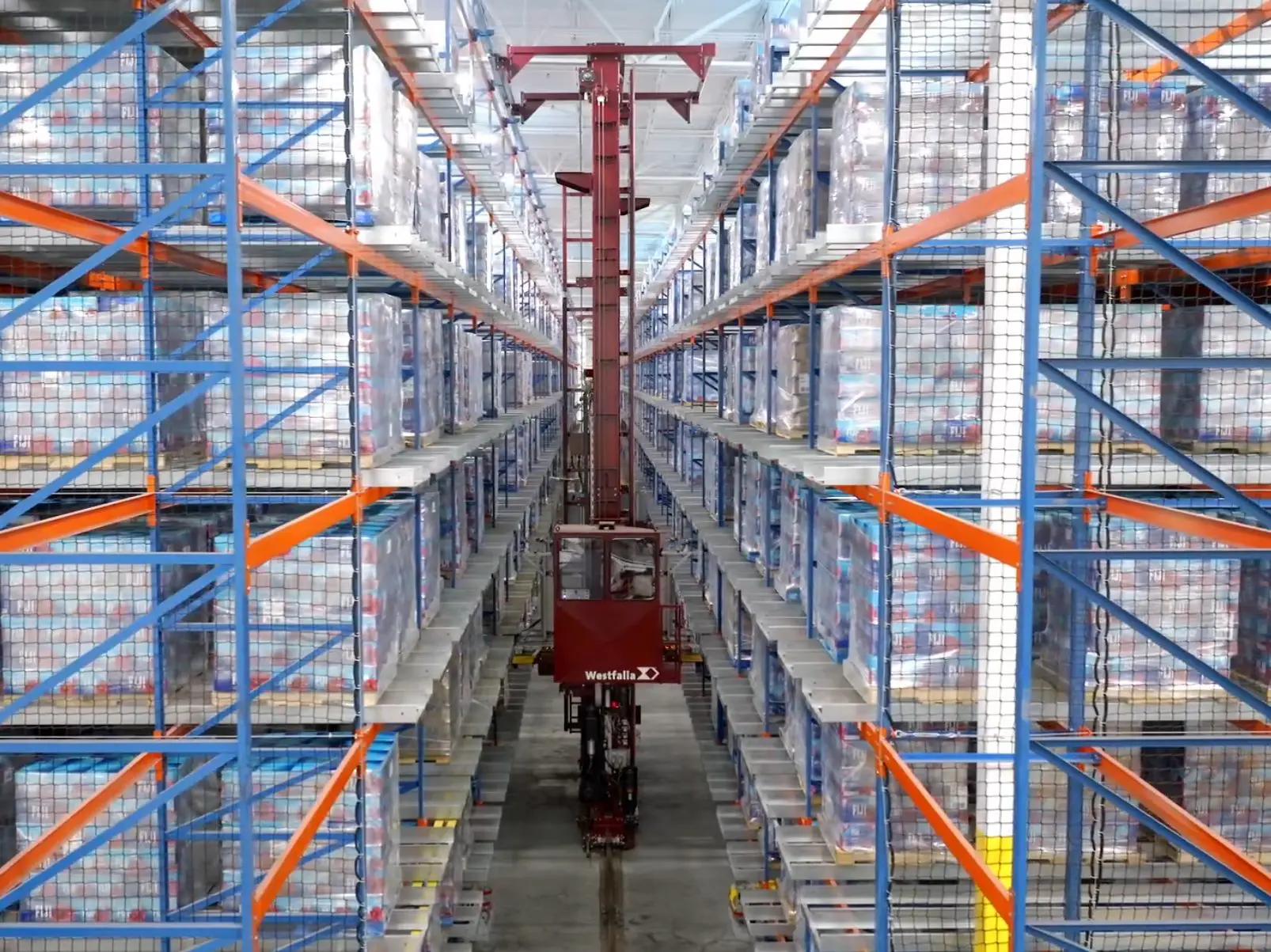
Westfalia's AS/RS solutions are used in food and beverage manufacturing, consumer goods distribution, pharmaceutical operations, refrigerated storage, and other industries that manage large quantities of palletized inventory. During receiving operations, pallets can be transferred from unloading or staging areas onto automated conveyor systems that transport them toward storage interfaces. The storage and retrieval machines then place the pallets into designated rack locations according to inventory requirements. When products are needed for production, order picking, or outbound shipping, the machines retrieve the appropriate pallets and return them to conveyors for transportation to the next processing area.
Westfalia has implemented automated storage systems for companies including FAGE USA Dairy, Breakthru Beverage Group, Allied Beverage Group, and Buffalo Trace Distillery. At FAGE's manufacturing facility in Johnstown, New York, Westfalia developed a high-density storage system incorporating pallet conveyors, automated retrieval machines, and Savanna.NET software. The installation was designed with an initial capacity of 1,600 pallets and provisions for expansion to more than 10,000 pallet positions. These deployments demonstrate how automated pallet storage can support both manufacturing supply chains and large-scale distribution operations while accommodating different inventory volumes and facility requirements.
Westfalia's primary operational advantage is its ability to increase pallet storage density while reducing the floor space dedicated to forklift aisles. Its deep-lane storage technology allows facilities to organize large quantities of inventory within compact racking structures, while automated storage and retrieval machines provide consistent access to pallets. The company reports that its systems can store pallets up to 18 positions deep and operate in high-bay structures reaching approximately 140 feet. These capabilities can reduce the need for additional warehouse space, particularly in facilities handling substantial quantities of similar products or maintaining large reserve inventories. Actual storage density and throughput depend on product characteristics, inventory turnover, and system design.
Automated storage also reduces repetitive forklift travel and manual pallet handling within warehouse storage areas. By coordinating pallet movements through Savanna.NET, facilities can maintain accurate inventory records, optimize storage assignments, and schedule retrieval operations according to production or shipping requirements. The enclosed and controlled nature of high-density automated storage can also support temperature-controlled operations by reducing the amount of space that must be refrigerated or frozen. Westfalia's combination of mechanical storage technology, intelligent pallet handling, and integrated warehouse software demonstrates how automated storage and retrieval systems can improve warehouse capacity, inventory control, and material handling efficiency without relying on conventional forklift-based storage operations.
A unified AI platform that connects intelligent agents, business communications, shared memory, and automated workflows to streamline operations across your organization.
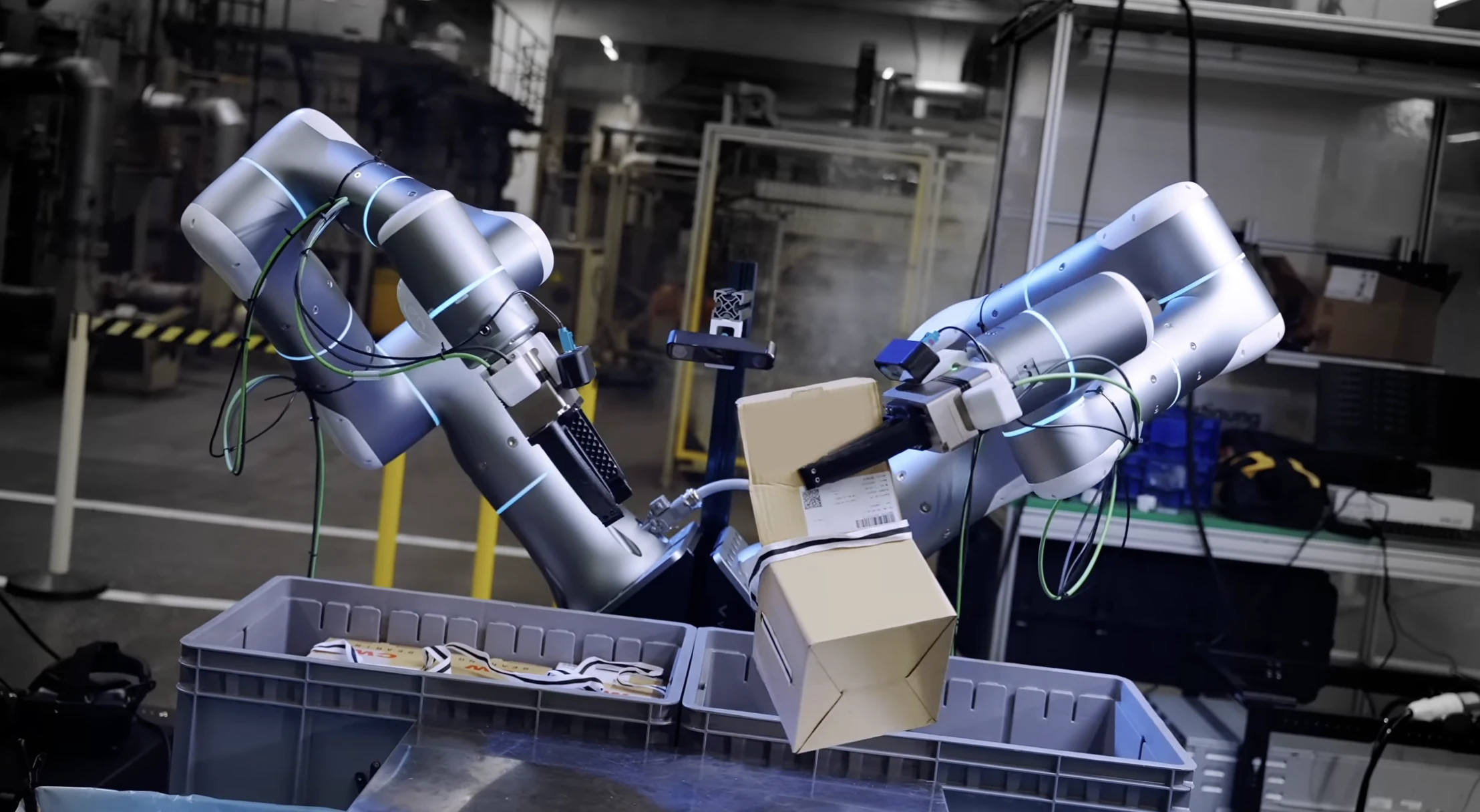
Rhoda AI is developing robotic foundation models that combine visual understanding, physical intelligence, and tactile sensing to help robots perform complex tasks across manufacturing and industrial environments.

An examination of how the UK's Cooperative Technologists network connects worker-owned technology businesses, shares resources, and uses democratic governance to build an alternative model for the digital economy.
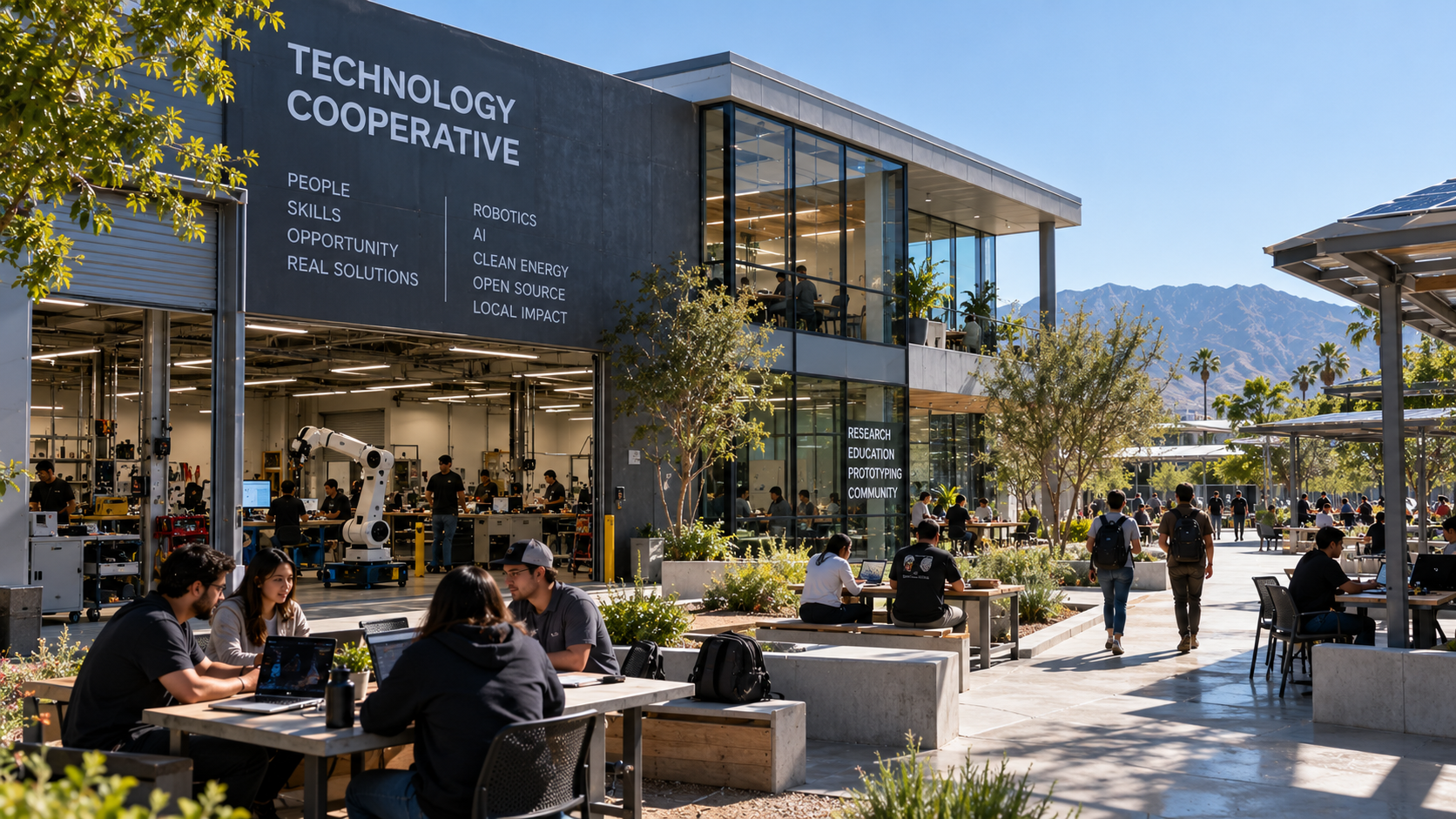
Exploring new models of democratic participation through sortition, rotating leadership, collective investment, and technology-enabled cooperative governance.

An exciting head-to-head competition where humanoid robots tackle real-world challenges, showcasing the latest advances in robotics, artificial intelligence, and autonomous technology.
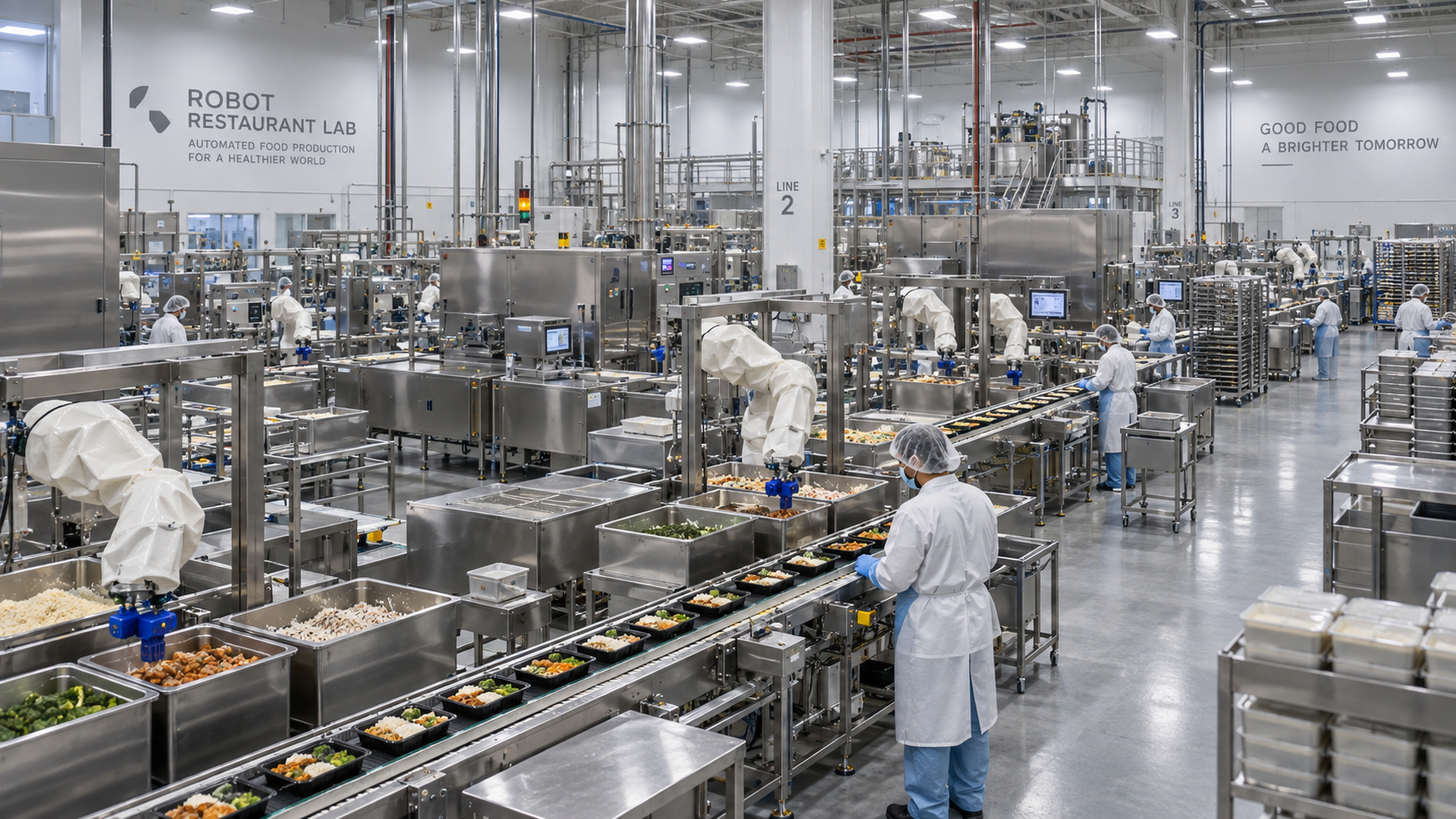
Developing highly automated food production facilities that combine robotics, industry expertise, and regional partnerships to reduce costs and supply prepared food at commercial scale.